Leitfaden zum japanischen Schwert

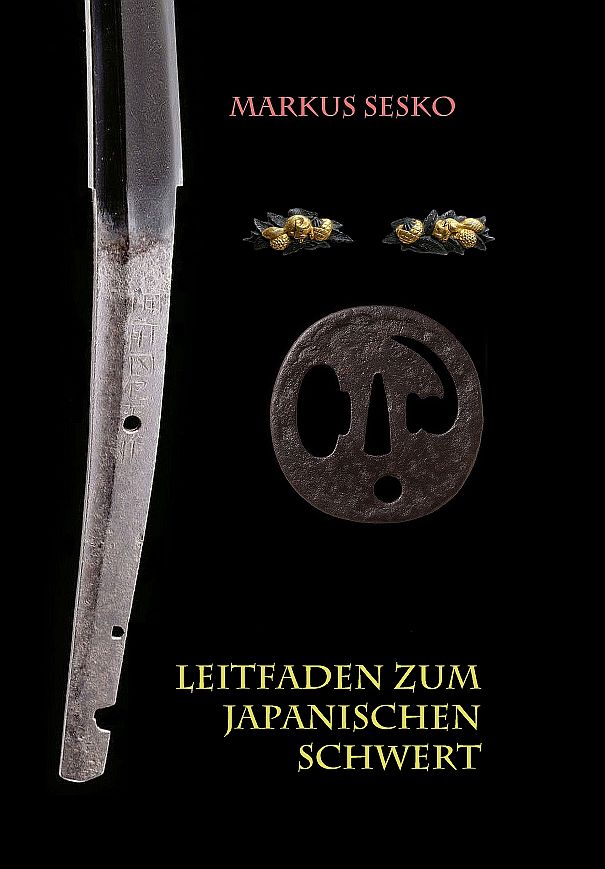
Durch Umstrukturierung einiger Projekte freue ich mich Ihnen mitteilen zu dürfen, dass das angekündigte Buch “Leitfaden zum japanischen Schwert” nun früher als geplant fertig geworden ist. Auch hat es anstatt der 350+ nun 548 Seiten, ist also deutlich umfangreicher. Ich zitiere den Klappentext:

“Dieses Standardwerk bietet dem Anfänger gesammelt und in einem Band vereint sämtliche relevante Informationen zum Thema „japanisches Schwert“, dem „nihonto“, und dient dem Fortgeschrittenen und erfahrenen Sammler als unverzichtbares Nachschlagewerk. Um diesem Ziel gerecht zu werden, wurden sämtliche das japanische Schwert und seiner Teile betreffenden Fachbegriffe, Erklärungen zu den Klingencharakteristika wie hamon, hataraki und boshi, Klingenformen, Schmiedetechniken und Schwertmontierungen und -beschläge aufgenommen, ergänzt durch einen detaillierten Abschnitt über die historischen Hintergründe, Hintergrundinformationen zum Thema Schwertbegutachtung, einer umfassenden Liste der wichtigsten Schmiedeschulen und vielem mehr.”

Hardcover, s/w-Bilder, 15,24×22,86 cm, Preis 79,90 €

Erhältlich hier und in Bälde auf amazon.de

Unten die Inhaltsangabe und eine aussagekräftige Vorschau als PDF.

InhaltLeitfaden

VorschauLeitfaden

CoverLeitfaden

Announcement New Publication

This announcement is addressed to my German readers.

Nächsten Monat wird ein neues Werk auf Deutsch erscheinen. Auf Anfrage habe ich ein in sich geschlossenes Referenzwerk zum Thema “Japanisches Schwert” zusammengestellt. Es wird sämtliche Fachbegriffe, Erklärungen zu den Klingencharakteristika, Formen usw., einen detaillierten historischen Hintergrund, sowie Kapitel über das Schmieden, Schwertmontierungen, Schwertbegutachtung und die wichtigsten Schmiedeschulen beinhalten. Ziel war es, ein in sich geschlossenes Werk zu erstellen, das für den Anfänger sämtliche das japanische Schwert betreffende Informationen bereitstellt, aber auch dem Fortgeschrittenen als Nachschlagewerk dient. Natürlich finden darin auch einige Abschnitte aus meinen anderen Büchern, vor allem was den Abschnitt “Schwertmontierungen” betrifft.

Das Buch erscheint in Hardcover, wird sich preislich deshalb um die 70~80 Euro bewegen und wird voraussichtlich um die 350+ Seiten mit s/w-Abbildungen umfassen. Nebenbei erwähnt, der von mir gewählte Titel “Leitfaden zum japanischen Schwert” hat nichts mit dem gleichnamigen Werk zu tun, dass ich vor einiger Zeit übersetzt und im kleinen Kreis vertrieben habe. Wie gesagt, lediglich der Titel ist identisch.

Mehr dazu hier sobald das Buch in den Druck gehen kann.

From the life of Fujieda Tarô Teruyoshi

Again I want to elaborate on the difficult time of the bakumatsu and subsequent Meiji era, this time using the swordsmith Fujieda Tarô Teruyoshi (藤枝太郎英義) as example. Teruyoshi was born in the sixth year of Bunsei (文政, 1823) as first-born son of the local swordsmith Gyokurinshi Terukazu (玉鱗子英一, civilian name „Suzuki Masa´emon“, 鈴木政右衛門) in the village of Kawai (川井, also written with the characters [川合]) in Kôzuke province.  At that time, his father was already 35 and his mother Mie (みゑ) 27 years old. That means the couple was blessed with a son rather later and so they had already adopted Kamekichirô Eiji (亀吉郎英二) as successor. But in Bunsei nine (1826), they got another son, Masanosuke Hidetoshi (政之助英利), who took later the name „Suzufuji Yûjirô“ (鈴藤勇次郎). And in Bunsei eleven (1828), their third son Masanojô Hideoki (政之丞英興, his name might also read as „Teruoki“) was born. That makes with the adopted Eiji four sons, and with the students living at their home, the family faced of course a great financial burden. Incidentally, Eiji was 16 years older than Teruyoshi.

The Suzuki family were local farmers for many generations and the old records mention them with the comment „family with a pedigree“. That means we can safely assume that they were a well-known family in that area. His father wanted to become a swordsmith already at a young age and it is possible that also his ancestors made swords as a sideline to support their livelihood as farmers. But Terukazu was not only a swordsmith, he also devoted himself to scholarship. He had studied under the then famous Confucian teacher Ettsumi Sekizen (江積積善) of Kôzuke´s Takasaki fief (高崎藩). Sekizen saw his dilligence and talent and married him to his daughter Mie. That means Teruyoshi´s father and mother came from a highly educated family and so it is only logical to assume that besides of his training as a swordsmith, he got a profound education from his parents. In Tenpô eight (天保, 1837), his father Terukazu was adopted into the Fujieda family (藤枝) and was employed by the Kawagoe fief (川越藩) as gunsmith (teppô-kaji, 鉄砲鍛冶). From that time, i.e. with the employment, the family changed its name from „Suzuki“ to „Fujieda“ and moved from Kawai to Maebashi (前橋). Terukazu decided that the adopted son Eiji should stay in Kawai to take over the Suzuki family but the then 15 years old Teruyoshi accompanied his father to Maebashi. Terukazu had gained some fame as swordsmith within the fief and this came eventually to the attention of the then lord, Matsudaira Naritsune (松平斉典, 1797-1850). He wanted to convince himself of Terukazu´s skill and so he invited him, his son and two students in the fifth month Tenpô eleven (1840) to Kawagoe Castle to display their craft of sword forging. This was a great opportunity for Terukazu and Teruyoshi. Terukazu was rewarded for that not only with fame but also with a promotion from the rank of a craftsman to the rank of a petty official (koyakunin, 小役人). In the records of the Matsudaira family we read that Terukazu received as reward 3 ryô of gold, his son Shigetarô (i.e. Teruyoshi) 200 hiki (= 2.000 copper coins) and 1 ryô 2 bu of gold, and his two students together 5 ryô. Performing his craft in front of the fief´s lord was a great honour for the young Teruyoshi and compared to what was the „uijin“ (初陣), the first battle, for a young warrior in earlier times. That means it was a baptism of fire and decisive for his future career as a swordsmith.

After the training under his father, Teruyoshi travelled around to learn also from other masters. The smith Nankai Tarô Tomotaka (南海太郎朝尊) refers to this time in his „Shintô-meishû-roku“ (新刀銘集録) as follows: „He learned initially from his father. Around the Tenpô era (1830-1844) he was invited by a certain Oka (岡) of the Sakura fief (佐倉藩) of Shimôsa province to stay there for some months to forge ten swords for him. At that time, he signed with ´Musashi no Kuni Haruhiro´ (武蔵国治広). Later he traveled around and became eventually a student of [Hosokawa] Masayoshi (正義).“ And in the document Teruyoshi handed over to his student Masaki Tatsunosuke Hidetoki (正木辰之助英辰) in the course of his initiation, he outlined his own training days as follows: „I visited and trained at the forges of 36 smiths all over the country. I can´t point out a particular master except Masayoshi. At the time I traveled around I signed with the name ´Haruhiro´“. In another document he writes: „I was initiated by Masayoshi, took a character of my father Terukazu and one of my master Masayoshi and changed my name later with becoming a retainer of the Kawagoe fief to ´Tarô Teruyoshi´. Later I went again from Kawagoe to Edo to the Nishinokubo-Kamiya district (ニシノクボ神谷町) from where I am studying at home.“ We know that Teruyoshi was initiated by Masayoshi only after the very short training time of about one and a half year. To understand why Teruyoshi gained a foothold in Edo that fast and arranged a training with the famous master Masayoshi we have to take a look at a certain phase of his father´s career. Terukazu had to interrupt his training because his master Shinrinshi Katsuichi (震鱗子克一), who worked for the Takasaki fief (高崎藩) of Kôzuke province, was in some difficulties and fled. He was wandering through several provinces to avoid arrest. So Terukazu had no choice but to study by his own. But he did his best as a local swordsmith, facing all the difficulties and hardships. His efforts became eventually known within the fief and paid off in the end, because as mentioned, his talent came eventually to the attention of Matsudaira Naritsune. This autonomy and self-reliance must had rubbed off on Teruyoshi. Anyway, we also read in the „Shintô-meishû-roku“ that Teruyoshi became a disciple of the famous sword tester Yamada Asaemon (山田浅右衛門) and that he „beared the sharpness of his blades in mind“. That means he had also a practical approach to his work and was full of enthusiasm. It is interesting how detailed Nankai Tarô Tomotaka deals with Teruyoshi in this work. In another passage he writes: „His swords focus solely on practical use and there is no single blade which does not cut well. Further, one does not have to worry that the blades of this at the moment unrivalled Edo master bend. Besides of that he is in the prime of his life and is still striving for the utmost forging quality.“ So Tomotaka´s publication surely contributed greatly to Teruyoshi´s fame and we can assume that both smiths exchanged experiences.

In Kaei six (嘉永, 1853), the fief ordered Teruyoshi to change his inherited profession from gunsmith to swordsmith. So probably the fief reacted appropriately as they had a promising smith in their ranks. But there is also another point of view on this changing of profession. On Teruyoshi´s tombstone we read: „He made on orders of his lord 200 nagamaki, katana and naginata each …“ This could suggest that his lord had him changed profession just for the porpose that he equips the fief with weapons in larger numbers. However, the Matsudaira chronicles do not deal with the exact reasons. Of course Teruyoshi made blades for the fief in larger numbers and there is a considerable number of specimen extant which proof this. The vast majority of them are naginata which are simply signed with „Bu Teruyoshi“ (武テルヨシ, in katakana syllables) or „Teruyoshi“ (英義) and showing for example the numbers 11, 19 or 31 engraved at the area of the habaki or a little below. In the „Hanshi-daijiten“ (藩史大辞典, an encyclopedia on the history of the fiefs) we read that the Kawagoe fief installed in the eleventh month of Kaei six arsenals on the coast at Kami-Shingashi (上新河岸) and Shimo-Shingashi (下新河岸) and that material and men were sent to guard the fort in Edo´s Takanawa (高輪). At that time, the Shingashi river was a main artery for transportations between the Kawagoe fief and Edo. In the sixth month of that year, Commodore Perry had landed at Uraga (浦賀) and so it is likely that Teruyoshi´s ordered change of profession was a measure of the trend to rearmament of those days.

Teruyoshi was eventually elevated from the rank of a craftsman to a bushi and his inherited salary of 12 koku and the stipend for the support of three persons was increased to 15 koku and 1 to. What about Teruyoshi´s private life. He married a daughter of the Mizuno family (水野) from the same fief. The couple remained childless for some years and so they adopted the student Yamaguchi Suekichi (山口末吉). But on the first day of the second month Bunkyû one (1861), their son Heiji (兵次) was born. In the family register we see that the name of his second wife Mino (み乃), the daughter of Watanabe Shôbei (渡辺庄兵衛) from the same fief, was added for the 15th day of the second month Bunkyû three (1863). That means it is likely that his first wife died right or shortly after giving birth. On the 19th day of the third month Genji one (1864), Mino gave birth to their first daughter Mutsu (むつ) and on the 24th day of the seventh month Keiô two (慶応, 1866) to Teruyoshi´s second and her first son Torazô (寅三). So Teruyoshi faced the same experiences as his father: Being childless for a longer time, adopting a heir, and being later blessed after all by own children. Well, the Matsudaira family ordered in the tenth month of Keiô two (1866) all their retainers to relocate to Maebashi, the new center of the fief. From the Matsudaira chronicles we learn that the retainers received allocated sites of residence. In the same document we find that also Teruyoshi was given a piece of land but also that he asked for another place because the sandy soil hindered him to carry out his profession properly. This was granted and so he moved to Maebashi´s Tachikawa-machi (立川町) whereas it is assumed that he turned his back on Edo and went to Maebashi to erect his house and forge in the third year of Keiô (1867).

With the end of the Tokugawa-bakufu and the abolition of the han system in 1871, also Teruyoshi had as a craftsman of a fief to leave his residence so we can imagine that he cherished the strong wish to return to his hime village of Kawai. But when his father started to work for the Kawagoe fief in Tenpô eight (1837), his older stepbrother Kamekichirô Eiji – who had been left in charge of the family in Kawai – entered the service of the fief and moved to Maebashi shortly later. So the household was dissolved and nothing was left in Kawai where he could have returned. After leaving his home village at the age of 15, about 34 years had passed and Teruyoshi was now without a job. There is a request extant from the 14th day of the tenth month Meiji four (1871) where Teruyoshi asks the fief for the permission to move to the grounds of the Jion-ji (慈恩寺) in the village of Itakura (板倉) in the Nawa district (名和). Itakura was namely the neighboring village of Kawai. It is likely that he had some connections to the people of Itakura which go back to the time when the family lived in Kawai. So Teruyoshi eventually restored a row house in front of the Jion-ji and settled there. Fujieda Akihiro (藤枝昭広), one of Teruyoshi´s successors, described that the row house was very old and that they had to borrow the village´s wooden mochi mortar as replacement for the rotten lower part of a pillar. And when at the end of the year the time of mochi making came, the villagers were a little upset that their mortar was „misused“ in the Fujieda house. And Akihiro narrated that the villagers helped the family to lift up the building so that the pillar could be restored and complained jokingly that they fell behind their work schedule because of this. When Teruyoshi came to Itakura, his oldest son Heiji was about ten years old. It is said that Heiji always wore a sword when he played with the other kids. That means the family really didn´t like the idea to give up the samurai status.
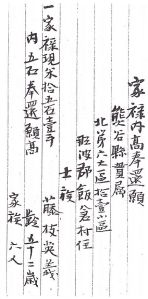
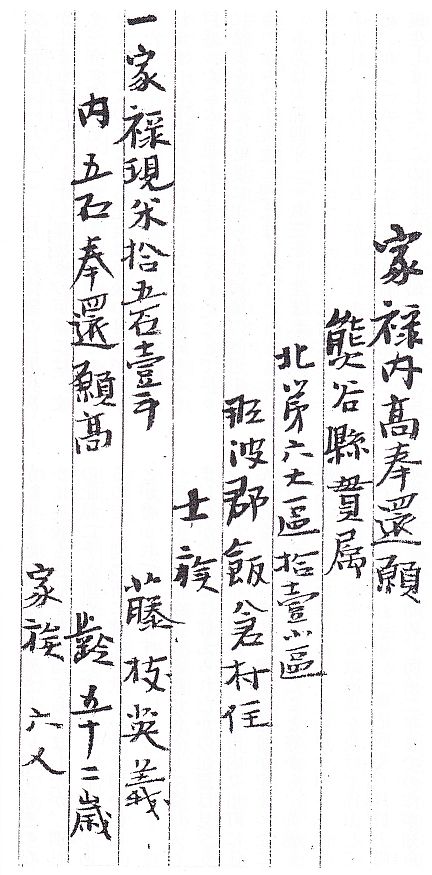
TeruyoshiDoc

Picture 1: Teruyoshi´s declaration.

From the time the feudal han system was abolished until the new government was formed, the now unemployed samurai were in a kind of „vacuum“. To demonstrate this I want to introduce a document preserved in the Fujieda family (picture 1). In the seventh year of Meiji (1874), all samurai which had an income below of 100 koku were informed that the government grants them a lump sum in the amount of what they would have received in the subsequent six years. The mentioned document is Teruyoshi´s official declaration that he assigns 5 koku from his salary of 15 koku 1 to to the new Imperial government. Subsequently, he received from the government 187 Yen 62 sen 4 ri as well as government bonds in the amount of 75 Yen. This was the mentioned six-years lump sum payment and using the Consumer Price unit, 187 Yen would be today around 770.000 Yen or around $ 8.000, and the government bonds around % 3.000. However, it is unclear to what extant this was of help for the Fujieda family but in the Matsudaira records we find a lot of entries of people who ask for the permission to buy waste land or forests in the possession of the government to cultivate it and making so their new living before they run out of the lump sum. This too tells us in what difficult situation the ex-bushi were at that time. We also get a vivid picture of this situation from an extant document of Teruyoshi´s successor Torazô. In the 36th year of Meiji (1903) he asked for a government allowance to settle debts but he was informed two years later by the then Minister of Finance that his request was rejected.

The transmission says that Teruyoshi did not forge swords or maintained a forge after he moved to the village of Itakura. But in fact there are two blades from the eighth month of Meiji six (1873) extant. One was made by an order from the former Kawagoe´s chief steward Saitô Noritake (斉藤記武), and the other one by the chief shintô priest Mr. Wada (和田) who ordered it as an offering sword for the Karai-jinja (火雷神社). Both are wakizashi but have a deep sori, are signed with a tachi-mei and show also a tachi-sugata. So even if they are smaller they were nevertheless very carefully made and we can easily imagine that Teruyoshi knew that they were probably the last two blades he was going to make. In short, he must had operated a small forge in Itakura too. Fujieda Akihiro said that his ancestor Teruyoshi was called „sensei, sensei“ by the villagers of Itakura and that they asked him for help and to act as mediator in some cases. In the third month of Meiji nine (1876), the ban on swords, the haitôrei edict (廃刀令) was issued. It is said that he was very disappointed about that. More and more depressed he fell ill and died on the 24th day of the fifth month of the same year at the age of 54. But he was able to look back to an eventful life. First he had as a young man the great honour to demonstrate his craft in front of his lord. Then he left his home and became eventually a student of the famous master Hosokawa Masayoshi. A contemporary swordsmith called him „at the moment unrivalled Edo master“. He trained many students and left us many masterworks. He perfectly fulfilled responsible tasks entrusted to him by the fief and was granted therefore among other things with a the bushi rank and a family crest. He managed to survive the great difficulties of swordsmiths and former samurai after the feudal system was abolished. But we can assume that he stayed always friendly and was held in high esteem within the village community in his later years.
Former prices of noted swords

Whilst looking for a certain article, I found an interesting list in the October 1992 issue of the Tôken-Bijutsu. Uemori Taijô (上森岱乗) gathered data from sword auctions from 1925 to 1939. This was namely a time when large former daimyô collections had to be sold by their descendants to put cash back in the till. Uemori focused on those blades which are today designated as kokuhô, jûyô-bunkazai or jûyô-bijutsuhin and arrived at a number of 69 pieces. With Mr. Uemori´s data as a basis, I converted the then highest bids for what the blades were sold to the current amount using the Consumer Price unit provided by Lawrence H. Officer and Samuel H. Williamson, “Five Ways to Compute the Relative Value of a Japanese Yen Amount, 1879 – Present,” MeasuringWorth, 2013. The list begins with the year of the auction, the name of the smith, the length, a comment if sold with shirasaya (s) or koshirae (k), the seller, the then price, the calculated present amount, and finally the approximate amount in Euro.

 FormerSwordPrices (PDF)

Well, we don´t know anything about the condition of the blades, the number of bidders or other circumstances at the auction which could have effected the end price. But the list contains nevertheless a lot of interesting information. First of all, the Akimoto family (秋元), then of viscount rank (shishaku, 子爵), must really had been in the need for money as their swords were sold for a ridiculously low amount. Imagine to get now a signed Rai Kunimitsu (来国光) tantô for 6.000 € which is of such a quality that it gets jûyô-bunkazai. Or an Awataguchi Kuniyoshi (粟田口国吉) tantô for 8.500 € which gets jûyô-bijusuhin. Also the swords sold by the Kishû-Tokugawa family were relative cheap. The kokuhô Hyûga-Masamune (日向正宗) tantô was sold for around 23.000 €. Incredible. The Hoshô Sadatsugu (保昌貞継) tachi left the Kishû-Tokugawa family for about 6.100 €. This low price can be explained by the fact that it had an unknown provenance. After the auction it turned out to be an authentic work from the early Kamakura period and was right away designated as jūyō-bunkazai! Nezu Kaichirô (根津嘉一郎, 1860-1940), the founder of the Nezu Museum, made good money with his Ichimonji Sukekane (一文字助包). He bought it at an auction in 1919 from the collection of the Inaba-Ikeda family (池田) for 11.000 Yen and sold it 15 years later for almost three times as much. And the Itô family (伊東) made a fortune of a bargain they bought from the Akimoto. It was the Bizen Mitsumori (光守) wakizashi with orikaeshi-mei. In 1931, the price was only 255 Yen (today 374.000 Yen or 2.900 €). The Itô family submitted it later for jûyô-bijutsuhin, it passed, and the price increased twelvefold to 3.500 Yen (today 4.590.000 Yen or 35.300 €). And last but not least, the high price of the Kanehira (包平, see picture 1) is explained by its provenance. It came from the former possessions of the Takeda family (武田) and was once, according to transmission, worn by Minamoto no Yoshimitsu (源義光, 1045-1127).

Kanehira

 Picture 1: jûyô-bijutsuhin, tachi, mei „Kanehira“ (包平), nagasa 75,1 cm

On the practical use of Edo-period armor

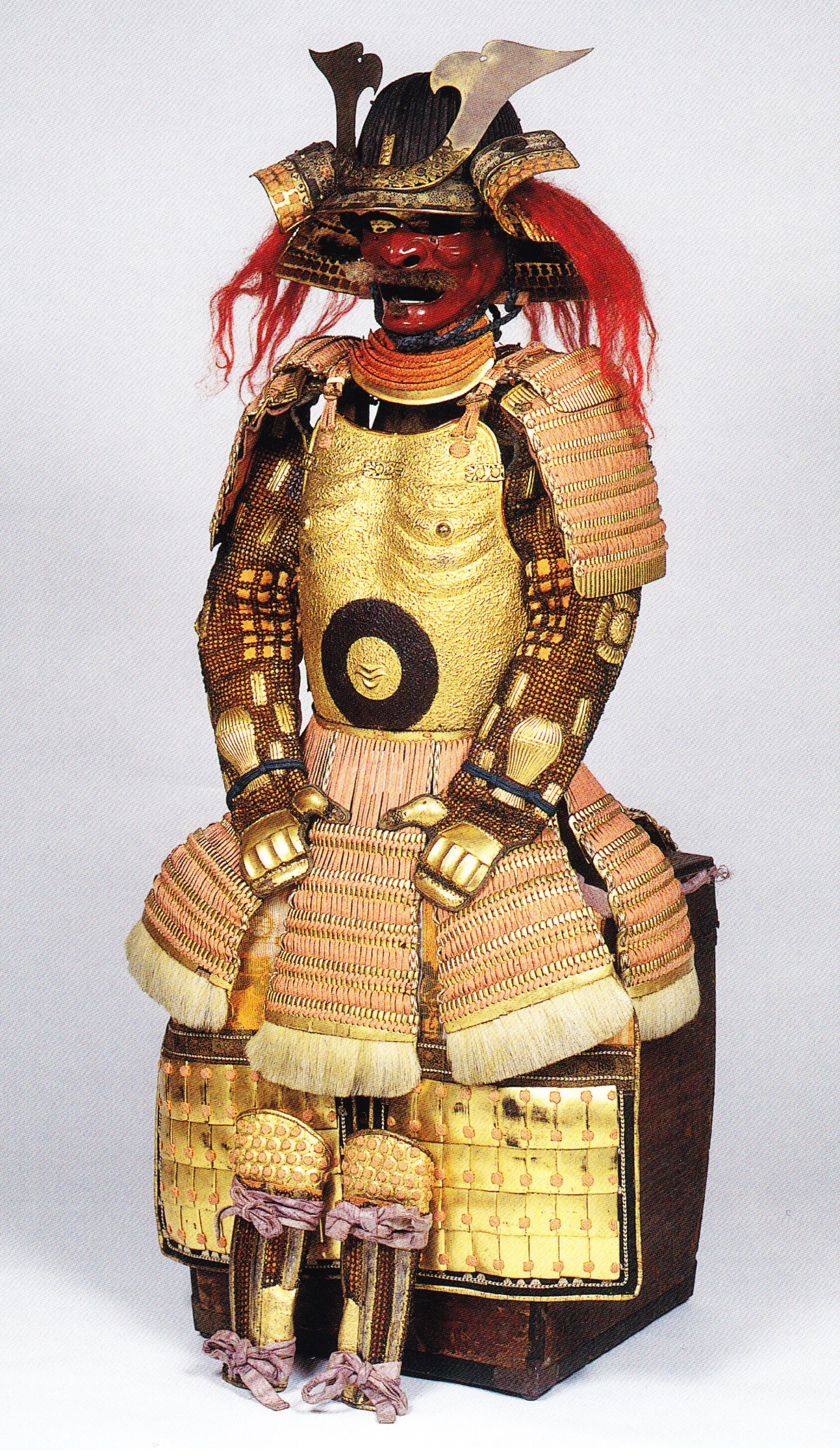
Many tend to think that with the peaceful Edo period, no longer much attention was paid to armor and that they were made in fancy variants to dress up at special occasions and parades. Well, there was a certain trend in this direction but I want to demonstrate with an example that it was actually not that bad and that there were definitely several renowned persons and craftsman active which racked their brains over the practical use of armor. There are namely records extant in the Libraries of Kanazawa City which deal with the production of armor in detail. These records are called „Goyô-nai tome-chô“ (御用内留帳) and are an official protocol of Arisawa Takesada (有沢武貞, 1682-1739, more on him later) who was a military scientist of the Kaga fief. Therein we find the transcription of a discussion between him and Maeda Yoshinori (前田吉徳, 1690-1745), the fifth Maeda-daimyô of the Kaga fief, on the interpretation of an armor. A characteristical feature of Kaga-gusoku, i.e. Kaga armor, was that the lower part of the shows two or three visible rows of lamellae laced in kebiki-odoshi even when the remaining part of the is actually constructed from plates and not from kozane lamellae. Yoshinori was worried about the weight of the armor to be made for him, especially when it comes to these two or three rows of kozane. So he said to Takesada that he wants a plain and leather-covered okegawa-dô instead. Incidentally, at an okegawa-dô, the plates of the cuirass are not laced but rivetted together. Takesada replied that leaving laced rows of lamellae at the waist of which mostly only the heads of the kozane are visible is of a much more magnificent appearance than covering the whole front section of the with leather. Upon this suggestion, Yoshinori in turn replied that then more braids have to be used which increase the weight. But Takesada explained that the overall weight is about the same at two or three kebiki-laced lamellae rows or two or three horizontal iron plates with leather cover. This resulted in a detailed discussion on the actual weight of braids, also taking into consideration that the kozane had to have holes for the lacing which makes them in turn somewhat lighter than a solid plate. But on the other hand, they were laced in an overlapping manner what suggests that there was actually more iron present in the end. This discussion, which went so far as to count and weight braids as mentioned, shows us that Yoshinori wanted an as effective armor as possible. Or the other way round, he would not have made a big thing out of the weight of the two or three lowermost rows of the when he was convinced to just wear a fancy armor on horseback at the parades.

The gilding of the ´s inside of armors of higher and medium ranked Kaga warriors was another thorn in the side of Yoshinori. He stated that he wanted his inside just lacquered black but Takesada replied that, according to transmission, the gilding helps the armor stay more cool in the summer. And by the way he said, all the armors of the predecessing Kaga-daimyô had this feature, namely not only at the but also at the inside of the helmet bowl. However, it is assumed that this gilding has not much to do with cooling the suit but was applied to achieve a luxusious appearance. But when we read between the lines of this discussion, we learn from Yoshinori´s main task which was to reduce the expenses and the ongoing costs of a giant fief as Kaga was with its nominal income of 1.000.000 koku. He introduced new instruments and measures but continued basically the course set by his father Tsunanori (前田綱紀, 1643-1724). It worked well for a while but slowly the gold and silver deposits of the Kaga mines were running out and a resistance formed against his aide Ôtsuki Denzô (大槻伝蔵, 1703-1748). Many Kaga-retainers had a problem with Ôtsuki because he pushed some reforms on his own even he was of ashigaru origin and because it was assumed that Yoshinori protected and promoted him just as he was his gay lover. Well, Ôtsuki Denzô was banned to Gokayama (五箇山) in Etchû province after Yoshinori´s death.

A great success of Yoshinori´s father Tsunanori was to strengthen the arts and crafts performed at various places in the fief by erecting a central workshop, the so-called „o-saiku-sho“ (御細工所). With this he continued his grandfather Maeda Toshitsune´s (前田利常, 1594-1658) initial steps to attract as many influental artists as possible. That means Toshitsune has prepared with hiring and inviting famous masters like Hon´ami Kôetsu (本阿弥光悦, 1558-1637), Gotô Kakujô (後藤覚乗) and Kenjô (後藤顕乗) or Tawara Sôsetsu (俵屋宗雪) the base for a highly recognized centre of art and craftsmanship. Regarding armor, Toshitsune hired the Haruta armorer Narui Katsumitsu (成井勝光) who played an important role within the armor-related workshops of the o-saiku-sho. Soon the latter became a vital factor for the income of the fief. Responsible for the compound of workshops was the so-called “o-saiku-sho bugyô” (御細工所奉行), the workshop magistrate, and the most famous of them was the aforementioned Arisawa Takesada (有沢武貞, 1682-1739). The Arisawa were once retainers of the Dohi family (土肥) of Etchû province and came via the Uesugi (上杉) and Mogami (最上) families eventually into the service of Toshitsune who hired Takesada´s father Nagasada (有沢永貞, 1638-1715) in Enpô five (延宝, 1677) as military scientist and strategist for an income of 300 koku. Nagasada had studied the Kôshû-ryû (甲州流), i.e. the tactics which go back to the famous Takeda family from Kai province (= Kôshû), under his uncle Sekiya Masaharu (関屋政春, 1615-1686) who worked for the Kaga fief too. But he learned also from Masaharu´s master Yamaga Sokô (山鹿素行, 1622-1685), who in turn got the teachings of the Kôshû-ryû first hand from a former Takeda retainer, namely from Obata Kagenori (小幡景憲, 1572-1663). Incidentally, Nagasada´s deep studies of tactics went even as far as becoming a land surveyor, geographer and urban developer to incorporate geographical knowledge into his body of thoughts.

Takesada succeeded his father in Shôtoku five (正徳, 1715), receiving the same salary of 300 koku. He was the o-saiku-sho bugyô for ten years, namely from Kyôhô nine to Kyôhô nineteen (享保, 1724-1734). With Nagasada´s studies, the Kôshû-ryû taught in the Kaga fief was also called „Arisawa-ryû“ (有沢流), and Takesada was in the same way eager to refine the tactics as was his younger brother Munesada (有沢致貞, 1689-1752). By the way, the two brothers and their father were known throughout the country as „The Three Sada from the Arisawa family“ or „The Three Sada from Kaga“.

Fighting with the ôdachi

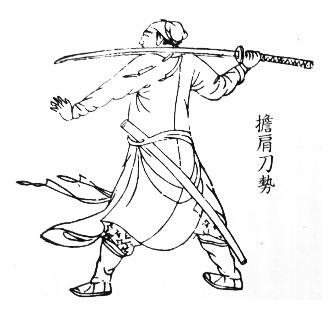
To get an idea of the fighting techniques with the ôdachi, we have to make a detour via China of the late 16th century as hardly anything is known on this topic from the time this sword stlye emerged, i.e. the Nanbokuchô period. Japanese pirates (wakô, 倭寇, Chin. wokòu) were raiding the coastlines of China and Korea for almost three centuries from the Kamakura period onwards. There were of course several attempts to get a grip on this situation. One of the most successful Ming-dynasty military leaders appointed to deal with the wakô was general Qi Jìguang (戚継光, 1527-1588). In Eiroku four (永禄, 1561), Qi Jìguang captured from Japanese pirates a mokuroku catalogue (目録) of the Kage-ryû (影流) of swordsmanship, although there is some discussion about what such a document is doing on a pirate ship. Some say Aisu Hisatada (愛洲久忠, 1452-1538), the ancestor of the Kage-ryû was himself a pirate. There are namely records extant which show that Hisatada made it over to Ming-China as a young man. Others assume that Qi Jìguang bribed several pirates to bring him as much information on Japanese warfare as possible to be used by him against the wakô.

However, the data from this mokuroku was worked into Qi´s later 14-volume „Kikô-shinsho“ (紀効新書, Chin. „Jìxìao Xinshu“) from 1588. The first 18-volume edition from 1560 does not contain the mokuroku. Later the Ming-officer Máo Yúanyí (茅元儀, 1594-1640?) worked the „Kikô-shinsho“ in 1621 into his epic 240-volume standard work „Bubi-shi“ (武備志, Chin. „Wûbèi-zhì“).  The „Bubi-shi“ in turn was reintroduced to Japan and republished, for example by Matsushita Kenrin (松下見林, 1637-1704) in Genroku one (元禄, 1688) in his work „Ishô-Nihon-den“ (異称日本伝). Via this way, the early mokuroku of the Kage-ryû was again in circulation in its native country. In the same year as Máo Yúanyí, i.e. in 1621, the Shaolin warrior-monk Chéng Zongyóu (程宗猷, 1561-?) published his „Tantô-hôsen“ (単刀法選, Chin. „Dandao-fâxûan“) in which he introduced 22 kata forms for using a Japanese sword (in a later edition, these kata were extended by two to altogether 24 forms).

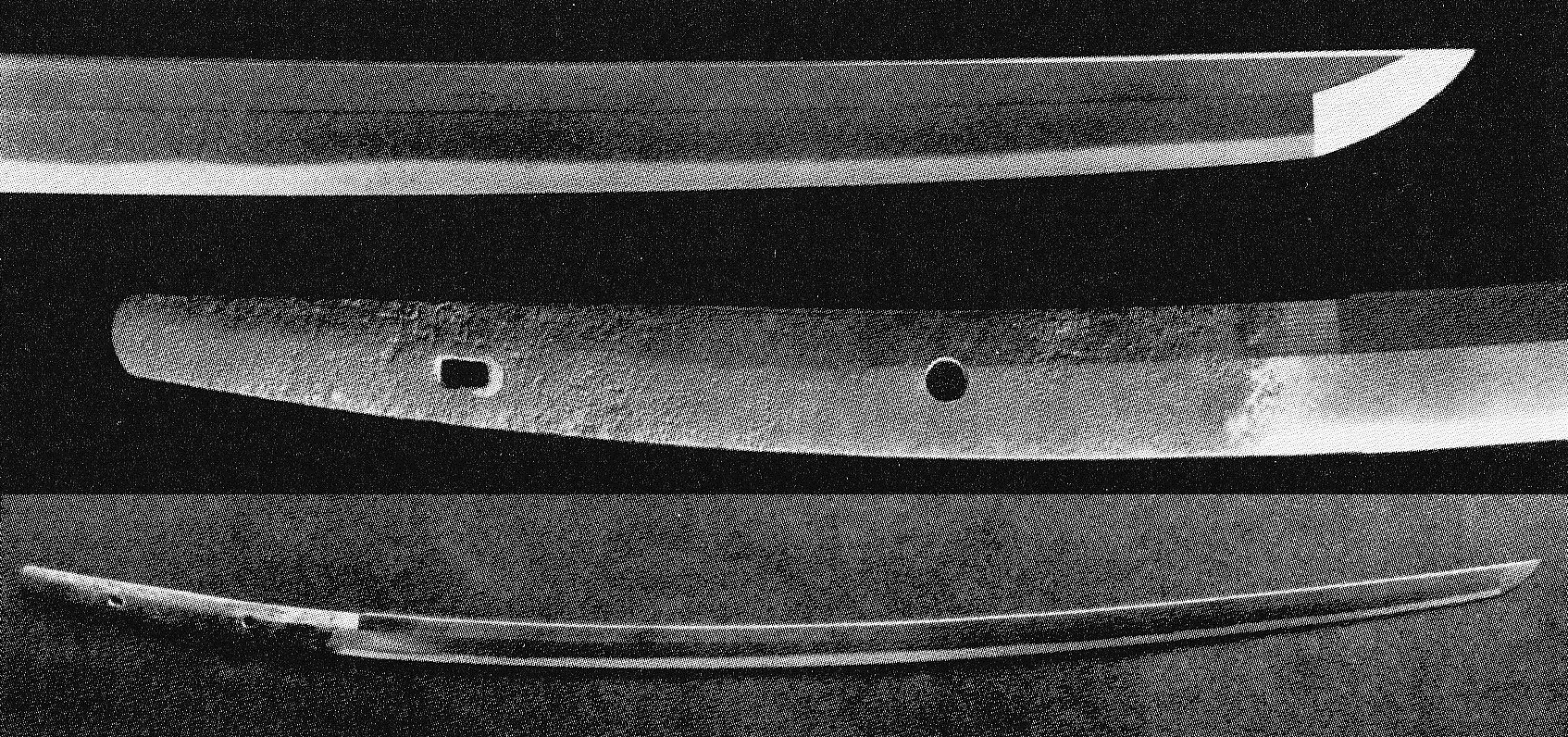
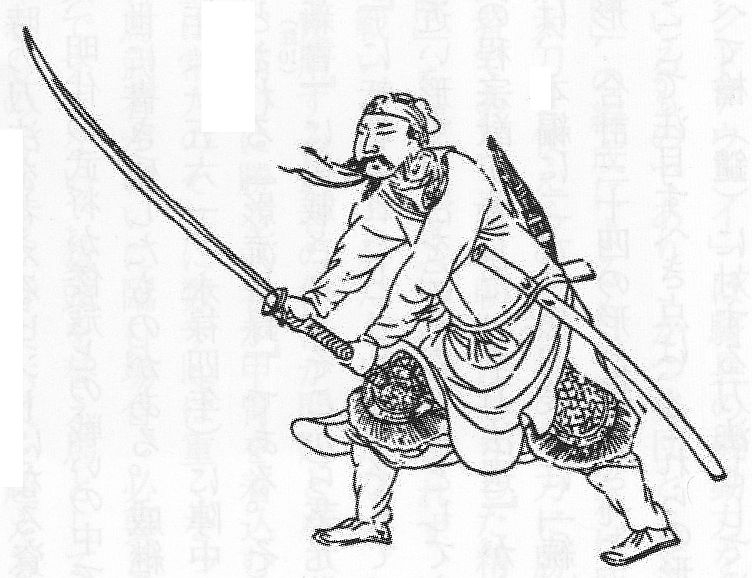
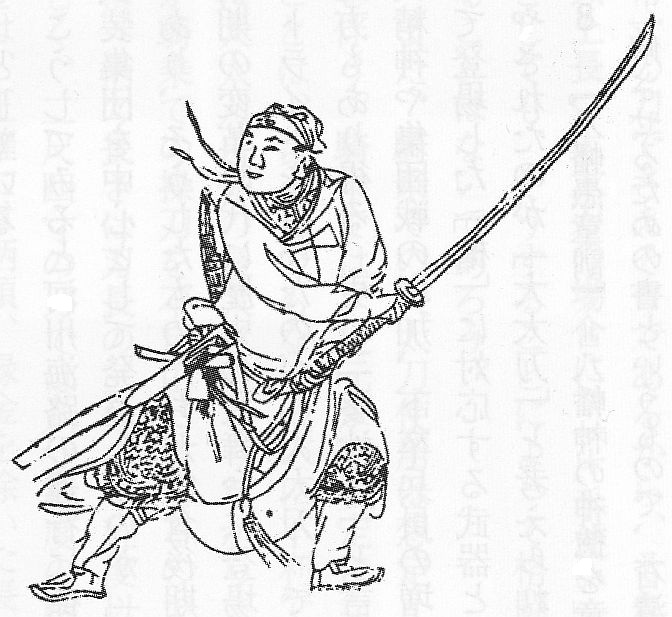
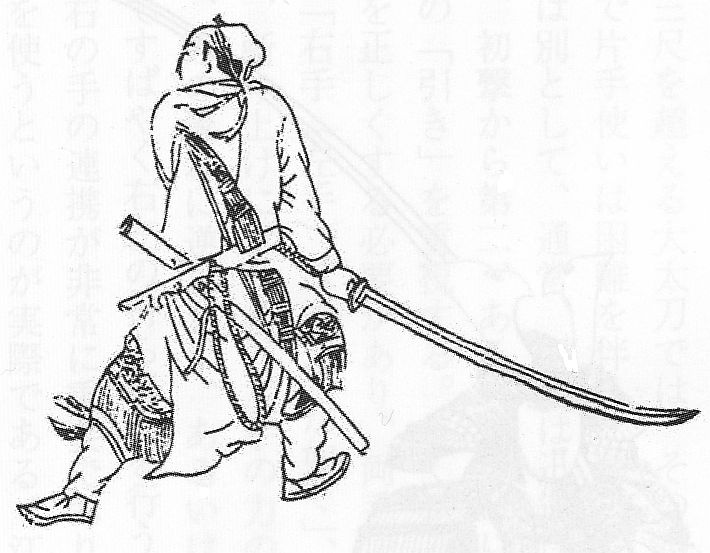
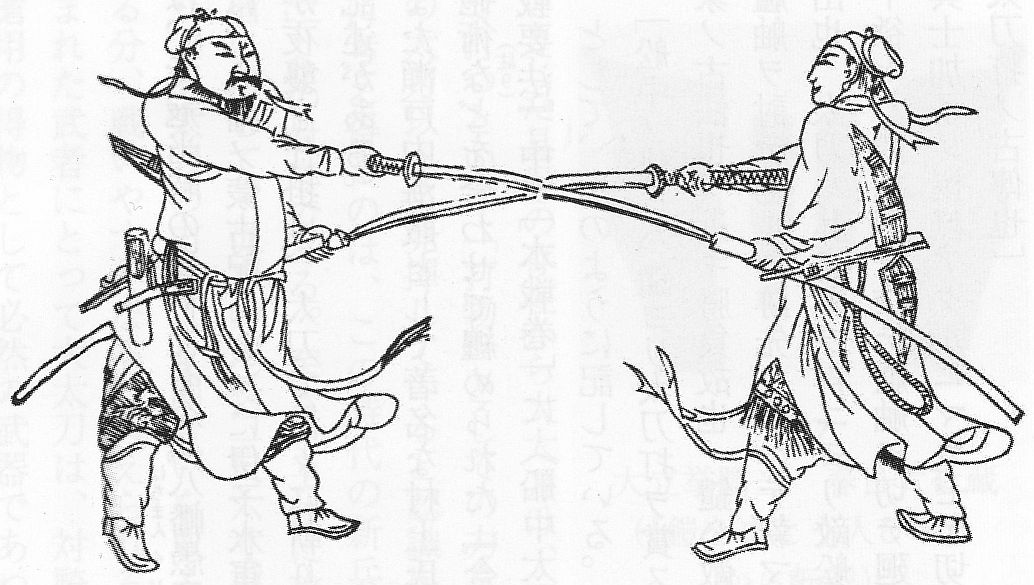
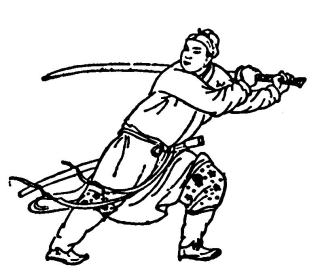
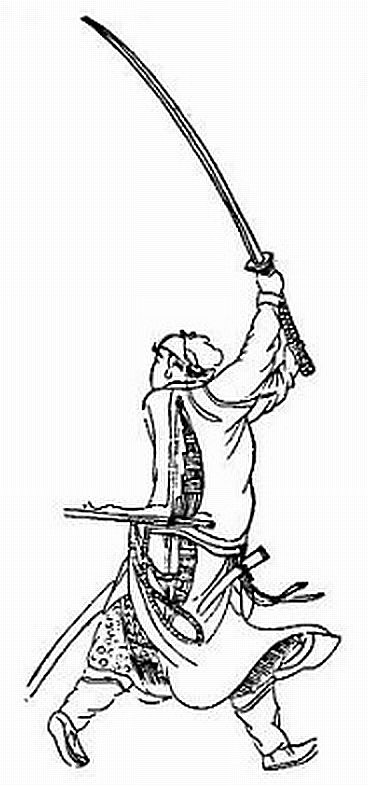
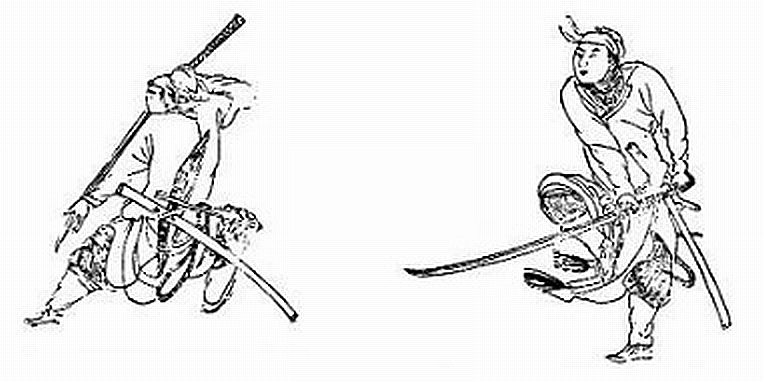
Interesting is now first, that general Qi´s studies on Japanese swordsmanship based on the captured Kage-ryû mokuroku had a great influence on Chinese martial arts and artists, and second, that Chéng Zongyóu mentions in his „Tantô-hôsen“ that the kata for the ôdachi are meant to ward off attacks with the yari. Incidentally, the Chinese version of the ôdachi is called „cháng-dao“ (長刀, see picture 1). It is assumed that the cháng-dao was not just a copy of the Japanese ôdachi because very similar swords were used in China since earlier times as anti-cavalry swords (zhânmâ-dao, 斬馬刀). Another derivative of the overlong cháng-dao or zhânmâ-dao was the miáo-dao (苗刀), although this sword form appeared somewhat later. The entire mounting of the cháng-dao is strikingly similar to Japanese swords (see also pictures of the kata forms at the end of the article). That means they have wrapped hilts, narrow saya with kurigata, a habaki and a small and roundish tsuba. However, at the Chinese variant the hilt narrows somewhat down towards the tsuba and the tip also narrows down almost in shôbu-zukuri manner.

 changdao

Picture 1: Two extant cháng-dao.

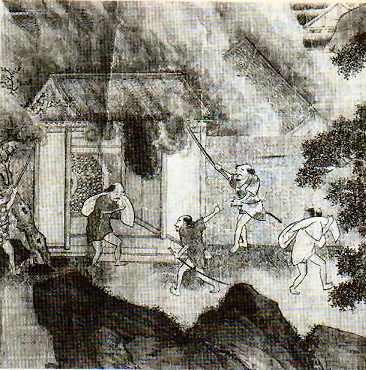
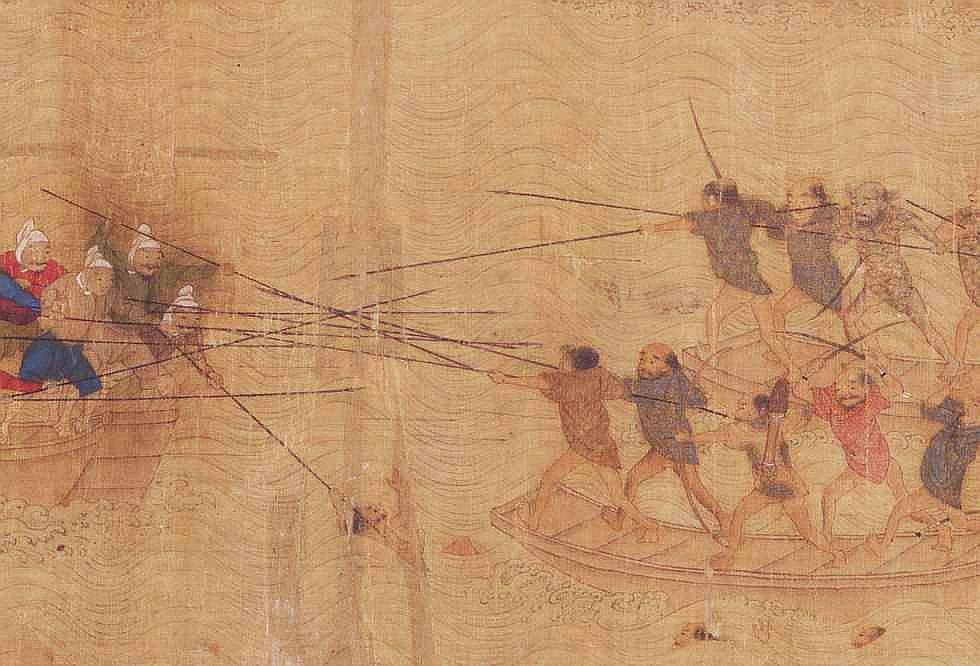
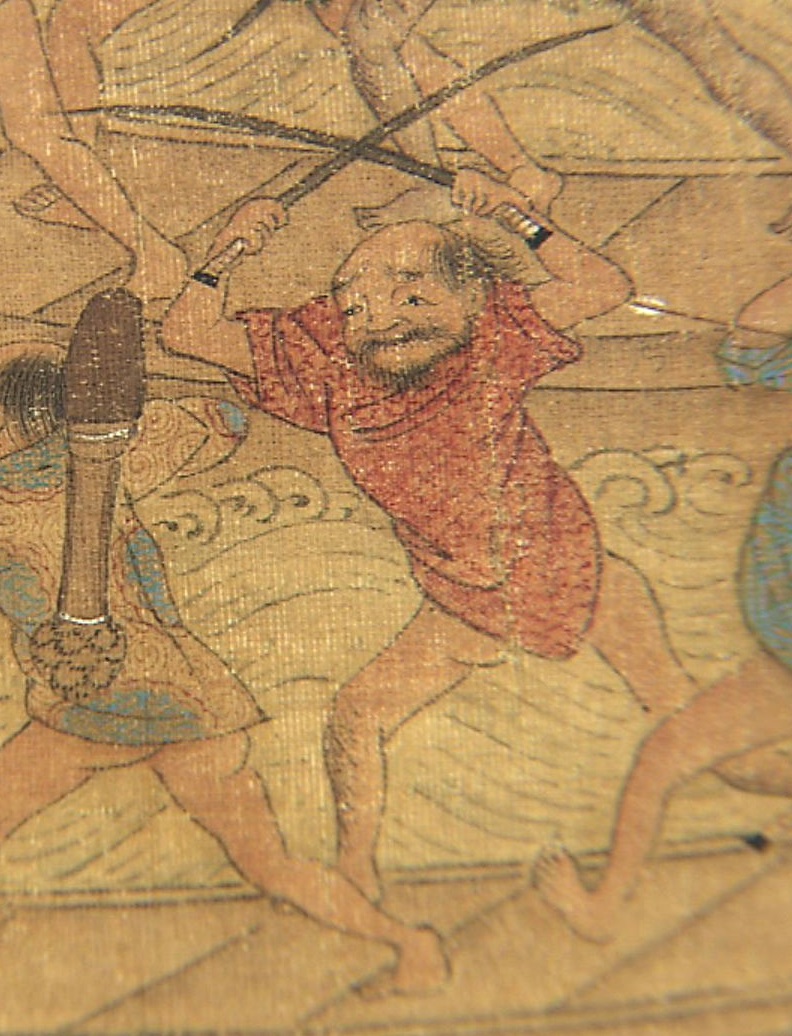
Chéng´s emphasis on a yari defence goes probably back to the 13th century when the Mongols invaded China. Back then the long spear turned out to be very effective for larger armies of foot soldiers. Thus some assume that the emergence of the ôdachi in Japan is connected to the Chinese experience when namely at the same time the so-called „kikuchi-yari“ (菊池槍) was introduced on the Japanese battlefield. Apart from that also the Japanese pirates made frequent use of the ôdachi. We know that from mainland chronicles which write that specialized men of their smaller units used it to break or just cut open doors or walls of houses with these oversized swords which were then ransacked. In picture 2 we see at least one pirate who is carrying a longer than usual sword. It is also said that the ôdachi were used to cut in half the long poles with which the people from the mainland tried to keep away the Japanese pirate boats. Picture 3 shows such a scene where wakô are fighting against Koreans, although they are wielding standard-length swords and one pirate even wields two swords of the same length.

 WakouAttack

Picture 2: Japanese pirates attacking a mansion.

WakoAttack2

WakoAttack-detail

Picture 3: Koreans trying to keep away Japanese pirates.

Let me recapitulate. Overlong swords were known and used in China since at least since the Han Dynasty (漢, 206 BC – 220 AD) as we find names like zhânmâ-dao in later records on that time. Later it gained again popularity when the Mongols attacked the Jin Dynasty (金, 1115-1234). The zhânmâ-dao and cháng-dao were namely used to attack horses and ward off and cut in half enemy yari. With the use of kikuchi-yari and the changes in warfare during the Nanbokuchô period, the ôdachi entered the stage of the Japanese battlefield whereas fighting with this kind of sword should become soon the strong point of the Kage-ryû. Connected or not remains to be seen but the Japanese pirates of the 16th century made also frequent use of the ôdachi. When general Qi captured a mokuroku catalogue of the Kage-ryû from Japanese pirates, he made the overlong sword again popular in his own country and used the new style of fencing against the raiders. On the other hand, the ôdachi was never used in larger scales in Japan, even with the changes in warfare and the focus on yari during the Muromachi period. It is assumed that this is directly connected to the quality standard and forging techniques of the nihontô. That means it was just too expensive and time consuming to equip larger troops with ôdachi.  But with Qi´s capturing of the Kage-ryû mokuroku and the subsequent publications we have at least a small insight on the pre-Muromachi period swordsmanship using the ôdachi. That means there was definitely a certain training with this weapon and it was not just giving them to low-ranking foot soldiers so that they can swing them around in the hope to hit some horse´s legs. Apart from that we know several accounts of famous bushi using the ôdachi as main weapon and their heroic deeds with them. But I want to introduce these accounts on another occasion.

Below some kata depictions from the „Tantô-hôsen“.

odachi12klodachi11klodachi10klodachi9klodachi8klodachi7klodachi6klodachi5klodachi4kl

The last of the Kanesada

The last master of the time-honoured lineage of Kanesada swordsmiths was the 11th generation of the Aizu branch. When I speak of the Kanesada lineage, I refer to the Bunmei-era (文明, 1469-1487) Mino Kanesada as ancestor and as 1st generation of the Seki main line. His son, the 2nd generation, was the famous No-Sada and his grandson, that means the son of the 3rd generation, founded the Aizu branch. According to transmission, the Aizu-Kanesada ancestor was hired in the second year of Kôji (弘治, 1556) by the Ashina family (蘆名) and moved to their lands in Aizu, in the northern Ôshû region. Well, the 11th generation Aizu Kanesada was born in Tenpô eight (天保, 1837) in Aizu-Wakamatsu´s Jôkôji-machi (浄光寺町) which is located just a little over 1 km to the northeast of Wakamatsu Castle. He started his apprenticeship as swordsmith under his father at the age of 14. Two years later, in the eleventh month of Kaei five (嘉永, 1852), he got the opportunity to display his skills in front of higher officials of the fief. He performed well and was thus allowed to take over the business of his father whereupon he received a stipend for the support of one person. This was also the time when he took the name „Kanemoto“ (兼元). The following years he made a lot of daisaku-daimei works for his father. It is assumed that he changed his name to „Kanesada“ somewhere between the seventh year of Ansei (安政, 1860) and the third year of Bunkyû (文久, 1863). It is difficult to nail down the exact year because from extant dated blades we know that he used parallel both names. In the first year of Bunkyû, an incident occured for which he was punished. At that time, he got several orders from samurai of the fief to forge blades with the addition of gold (ôgon, 黄金). This pecularity was to a certain extent in fashion at that time and also called „dôtetsu-hada“ (銅鉄肌, lit. „copper-iron-mix hada“). It appears as dark, thick and wavy areas in the ji whose own structure is muji. Anyway, one of his students told others that his master always kept the koban gold coin he received from his customers for the ôgon forging. That means the student claimed that his master did not really work the gold into the steel at the oroshigane process. Kanesada rebuked him but the student even offended a fellow student and runned out of the forge heading for his family. The master ran down after him and catched up with him. It started to rain whilst they exchanged some „nice words” but the student was unimpressed and turned away which was a gross discourtesy to his master. Thereupon Kanesada drew his sword and killed him cutting down right through the young man´s umbrella.

In the seventh month of Bunkyû three (1863) he went to Kyôto for the purposes of refining his craft under either the 10th generation Iga no Kami Kinmichi (伊賀守金道) or under Ômi no Kami Kaneyuki (近江守金行).  And in the twelfth month of that year he received eventually the honorary title „Izumi no Kami“ (和泉守). This was a special honor as no one except him and the famous No-Sada ever received this title from the Kanesada lineage. He was 27 years old at that time. Out of gratitude he forged three tachi, one for the emperor, one for the crown prince and one for the crown prince´s wife. And the fief rewarded him with two ryô of silver.

His employer the Hoshina family (保科) was related to the family of the shôgun and had therefore changed its name at the end of the 17th century to „Aizu-Matsudaira“ (会津松平). Because of this relationship, the family was deeper involved in the turmoils of the bakumatsu era than some other daimyô. The last Aizu-daimyō Matsudaira Katamori (松平容保, 1836-1893, see picture 1) was appointed in Bunkyû two (1862) to the newly created post of Kyôto Military Commissioner (Kyôto-shugo, 京都守護). With this post he was responsible for public order and had to struggle with the upcoming royalists. He brought some of his own retainers but recruited also men from the Shinsengumi and even employed some rônin. Thus there was a demand for swords in that context and Kanesada had to stay in Kyôto. When the so-called „Hamaguri Gate Rebellion“ (Hamaguri-gomon no hen, 蛤御門の変) took place in 1864 where royalists rebelled against the Tokugawa at the Hamaguri Gate of the Imperial Palace, Kanesada was allowed to stay within the palace, even he was a swordsmith, to support the imperial guards. Incidentally, the favorite sword of Hijikata Toshizô (土方歳三, 1835-1869), the vice-commander of the Shinsengumi, was a work of Kanesada. It is still preserved by the Hijikata family. Well, Kanesada returned to Aizu in the first year of Keiô (慶応, 1865).

 MatudairaKatamori

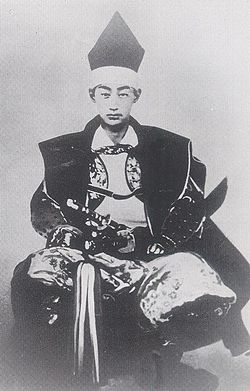
Picture 1: Matsudaira Katamori three months after he became the Kyôto Military Commissioner.

Back in Aizu he made first and foremost chûmon-uchi, swords ordered by customers and not for the arsenal of the fief. But the situation became critical when the Aizu fief got involved in the Boshin War (戊辰戦争) in the fourth month of Keiô four (1868). Four months later Aizu-Wakamatsu Castle was besieged and Kanesada, who was in the castle at that time, was ordered to cast rifle bullets. In the end, Katamori had to surrender and Kanesada was placed under house arrest. When the political situation had calmed down, the new Meiji government sent him to Kamo (加茂・賀茂) to Echigo province where he was able to work until Meiji seven (1874). In the meanwhile, Echigo province had been turned into Niigata Prefecture by the way. Works from these five years are called „Kamo-uchi“ (加茂打ち). Most of them are undated and as Echigo was and is one of Japan´s „rice bowls“, it is assumed that he worked mostly for wealthy landowners and rice traders. In Meiji seven he returned to Aizu-Wakamatsu and was two years later employed by the newly founded Fukushima Prefecture, namely as low-ranking government official in the building authorities. It is said that he did not give up sword forging but no signed works are known from the following 20 years or more. It is said that he reused and refined old iron during these years and focused on copies of mumei suriage-kotô blades. In order to get himself back on the map, he forged in 1892 a sword as present for the then crown prince Yoshihito (嘉仁), the later emperor Taishô (大正天皇, 1879-1926). The present was favorably received and he was rewarded with a 10 Yen gold coin. Using the Consumer Price unit, 10 Yen would be today around 45.000 Yen, i.e. around $ 450.

 Kanesada-portr

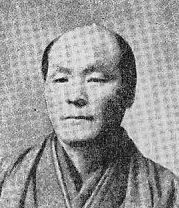
Picture 2: Kanesada in his mid fifties.

From extant documents and letters we know that he still trained some students after that time, Kanemitsu (兼光), civilian name „Sawada Yoshitarô“ (沢田吉太郎), and Kaneshige (兼重), civlian name „Sugei Usaku“ (菅井宇作), for example. When the local ex-samurai Shiba Gorô (柴五郎, 1860-1945) served in the First Sino-Japanese War and acted as military attaché at the Japanese legation during the Boxer Rebellion in 1900, Kanesada forged him for free a guntô to support his fellow Aizu countryman. There is a theory that this sword was brought by GI´s to San Francisco after World War II. Shiba attempted suizide after the surrender of Japan and died four months later of his wounds. However, Kanesada worked from the first month of Meiji 36 (1903) for the newly founded Army Artillery Weapons Factory (Rikugun-hôhei-kôshô, 陸軍砲兵工廠) in Tôkyô as they was a forge erected there. There are also blades extant on which he mentions this employer on the tang (see picture 3). It was in general a time of military build-up and thus a lot of guntô, also traditionally forged ones were needed. Many high-ranking persons and members of the new aristocracy visited this forge but Kanesada was not able to show his full skill as he died suddenly on the 28th day of the third month of the very same year (1903) at the age of 67. It is said that he was working on swords for the prime minister and a British ambassador at that time which he was unable to finish. He must had enjoyed a certain fame as several newspapers in Tôkyô mentioned his passing in detail.

 kanesasa-tokyo

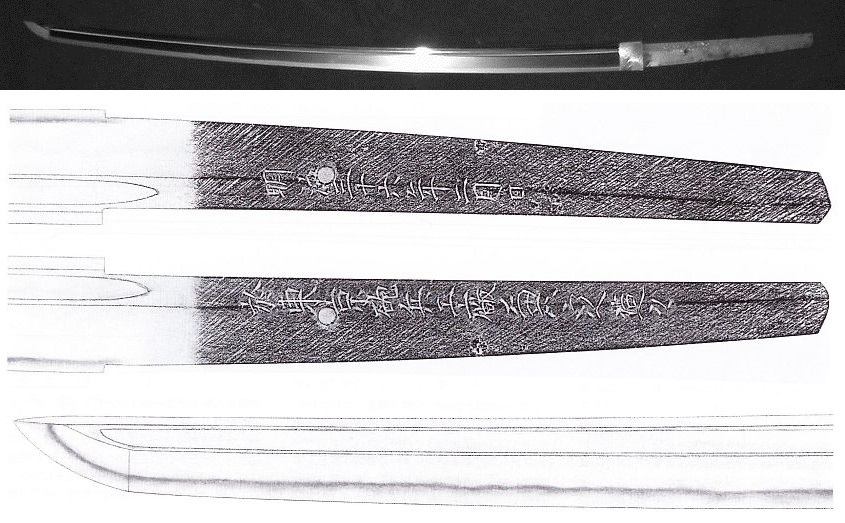
Picture 3: „Tôkyô hôhei-kôshô ni oite Kanesada kore o tsukuru“ (於東京砲兵工廠兼定造之, made by Kanesada at the Tôkyô Artillery Weapons Factory“) – „Meiji sanjûrokunen nigatsu-hi“ (明治三十六年二月日, „on a day of the second month Meiji 36 [= 1903]“), nagasa 63,6 cm, sori 1,2 cm

Wooden fittings

The Kanazawa College of Art owns quite an interesting dansu drawer (see link here). It comes from the Mizuno family (水野) of shirogane-shi for the former Kaga fief, or to be more precise from the Genroku line (源六) of the Mizuno. This drawer contains a large number of full-size wooden models for sword fittings. There are altogether 391 wooden kashira, 518 wooden fuchi, 57 wooden tsuba, and several wooden kojiri, other fittings and resin castings of fittings. Apart from these wooden models, there are also some copper pieces with cut-out design which are the models for the sukashi-tsuba. There exist basically two theories on the background of these wooden fittings. One say that they served as demonstration models to show potential customers from which they were able to pick what they wanted, and the other assume that they served as patterns for their own craftsmen. Most of the pieces bear ink inscriptions on the back which mention their size and some show other inscriptions like names of motifs or „nanako“ (七々子) to point out certain interpretations. I can understand both approaches but these inscriptions bring me to the assumption that they were demonstration models for customers. From patterns for craftsmen I would expect much more detailed inscriptions like the usage of what metal to be applied where. Also for a pattern a detailed drawing would be sufficient I think, but for a customer, it is nicer to have something in the hand, maybe also to put it at the hip to see how it might look when mounted on a sword. But the lowermost drawer with the resin castings in turn speaks for an use in the workshop. Or maybe the castings were just put there later.

The founder of the Mizuno school was Yoshihide (良栄) whose civilian name was „Mizuno Genji“ (水野源次). He was once a retainer of Toyotomi Hideyoshi and from Ôsaka but became a rônin after the death of the latter. He decided to go to Kyôto to become a kinkô artist and entered an apprenticeship with Kôjô (後藤光乗), the 4th generation of the Gotô mainline. Other transmissions say that he studied under Kôjô´s son Chôjô (長乗) or under Enjô (演乗), the 2nd generation of the Kanbei line. Sometime during the Keichô era (1596-1615) he was hired as silversmith by Maeda Toshinaga (前田利長, 1562-1614) and received a stipend for the support of five persons. During the Genna era (1615-1624) the Mizuno family moved to Kanazawa in the Kaga fief. Yoshihide died in the second year of Keian (1649). The mainline of the Mizuno family was succeeded by Yoshihide´s eldest son. He and his successors all used the hereditary first name „Genji“ (源次) and it has to be mentioned that, apart from some exceptions, no craftsman names were used or are known respectively. From the 9th generation onwards, craftsman names are known. The ninth generation of the Genji line was Katsuhiro (克弘). He was succeeded by Katsumasa (克正) and Katsunori (克則). Katsunori, the 11st and last generation, died in 1909. The second line of the Mizuno family was founded by Yoshihide´s second son Yoshifusa (良房) whose first name „Genroku“ (源六) served as the hereditary name of the line. The Genroku line of the Mizuno family was founded by him in the first year of Kan´ei (1624) and he and his successors worked as silversmiths for the Kaga-Maeda family too. The stipend was also identical to the Genji line, i.e. a support for five persons. Contrary to the Genji line we know all the individual craftsman names. The 10th and last generation was Akira (朗, 1886-1965), the son of the 9th generation Mitsuyoshi (光美, 1868-1938).

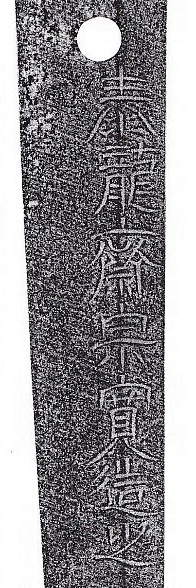
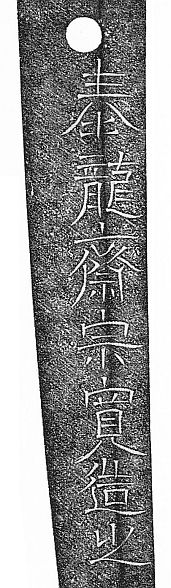
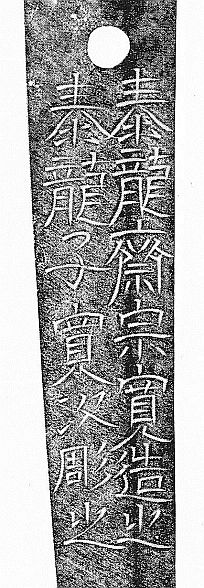
About reisho script on shinshintô swords

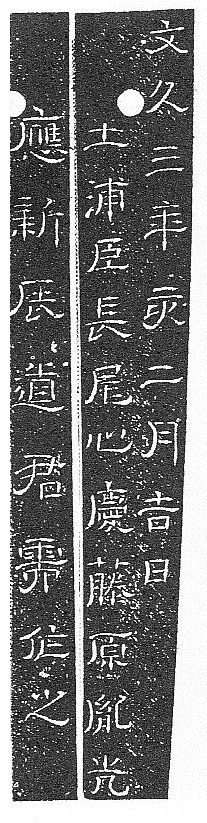
With Tairyûsai Sôkan (泰龍斎宗寛, ?-1883) as a starting point, I would like to shed some light on the late Edo period developments of the reisho (隷書), the clerical script. We know namely that Sôkan changed his signature from the regular regular kaisho script (楷書) to reishô in the fourth year of Ansei (安政, 1857) and passed this tradition on to his son Tairyûshi Hirotsugu (泰龍子寛次) and his student Issensai Hiroshige (一専斎寛重). Among calligraphers, there was namely a noticeable trend towards reishô at the very end of the Edo period. For a understanding of that trend we have to go back to the beginning of the Edo period. The reishô itself appeared sometime in the 3rd century BC but I want to leave aside the theories on its origins. Interestingly, the clerical script was known in Japan but virtually neglected until the Muromachi period. The increasing popularity of reisho from the early Edo period onwards is almost wholly attributable to the scholar Ishikawa Jôzan (石川丈山, 1583-1672) who was of warrior origin. Jôzan became a close retainer of Ieyasu in 1598 and after the Fall of Ôsaka and the promotion of Neo-Confucianism by the bakufu, he studied this philosophy under Fujiwara Seika (藤原惺窩, 1561-1619). Seika´s famous student Hayashi Razan (林羅山, 1583-1657) was namely Jôzan´s friend. In earlier times, Confucianism was not much popular in Japan but with the mentioned promotion by the bakufu, contemporary scholars became once again aware of the ceremonial solemnity of Han-dynasty officials who made much use of the reisho. Before that time the stern and motionless reisho did no match with the typical lyrical softness of Japanese calligraphy. Soon the script was also adopted by famous tea masters like Kobori Enshû (小堀遠州, 1579-1647). This adoption of the reisho by tea masters must be seen in the context of the trend of that time to import tea-unrelated things from China and use them for the tea ceremony. In short, the appreciation of reisho goes back to the appreciation of non-native objects „converted“ into tea utensils.

 BeianCalligraphy

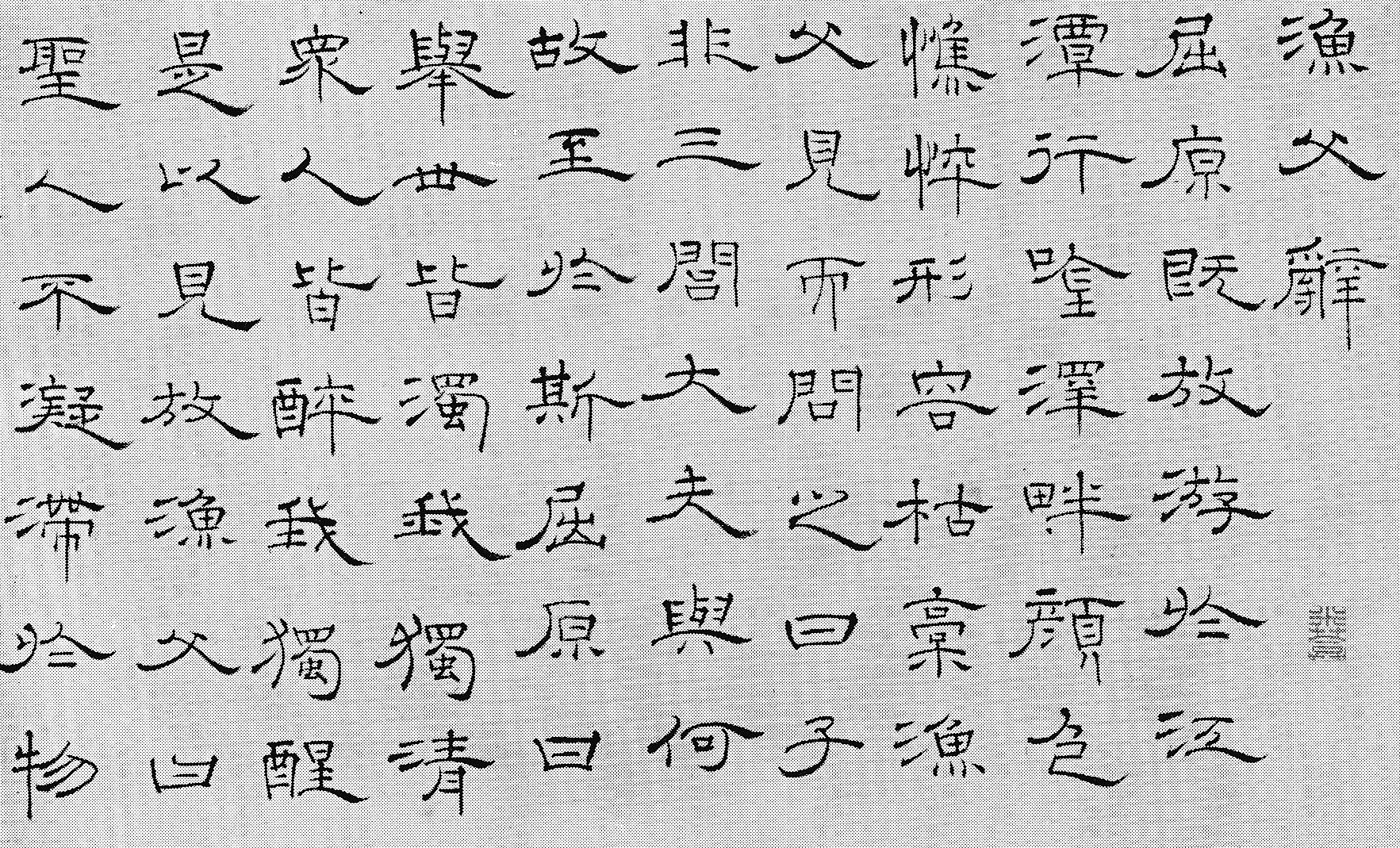
Picture 1: reisho calligraphy by Ichikawa Bei´an

But studying early Chinese scripts was quite difficult during the Edo period as the vast majority of scholars and calligraphers had to rely on ink rubbings of famous Chinese monument inscriptions. There were several books published on this subject but data was quite limited and so emphasis was layed on copying the rubbings as exact as possible. These circumstances stayed basically the same until Ichikawa Bei´an (市川米庵, 1779-1858) who started again some systematic studies on reishô and other older scripts. At his time, the quasi-official oie-ryû (御家流) writing style used by the bakufu, the warrior class and the common people was predominant. Chinese-style scripts were more the thing of Confucian scholars and intellectuals. But Bei´an opened up his calligraphy school „Shôsanrin-dô“ (小山林堂) in Kansei eleven (寛政, 1799) in Edo at the young age of twenty.  Five years later he travelled to Nagasaki to study Chinese calligraphy at first hand under the Chinese physician and calligrapher Hú Zhàoxin (胡兆新). Zhàoxin stayed in Nagasaki from 1803 to 1805. As it is said that Bei´an trained over 5.000 students, it is not unreasonable to assume that Tairyûsai Sôkan was one of them. However, there are no records which show if or where the swordsmith studied calligraphy. But it suggests itself as he obviously jumped on the bandwagon of the then trend towards Chinese-style scripts as he changed towards reisho in his signatures in 1857.  Or at least we can assume that he was somehow inspired by this trend and had probably friends in academic circles. By the way, Bei´an died one year later and his father´s name was „Kansai“ (寛斎). When we now give free rein to our imagination, we can assume that Sôkan studied under Bei´an for a while and got from him one character, i.e. „Kan“ (寛), from his father´s name.

But back to the facts. Things changed significantly with the Meiji Restoration when the people were allowed to travel freely. For the first time in a long time, Japanese calligraphers were able to visit China and study there at the source. Also several Chinese calligraphers were invited to stay in Japan for a survey of the then state of affairs of Japanese Chinese-style calligraphy. One of the most famous of these Chinese visiting professors was Yáng Shôujìng (楊守敬, 1839-1915) who taught amongst others Kusakabe Meikaku (日下部鳴鶴, 1838-1922), one of the three major calligraphers in Japan at that time. We have learned from him in my article on the Musashi-Masamune.

 sokanmei1sokanmei2sokanmei3

Picture 2: Three signatures of Tairyûsai Sôkan in reishô. The one on the right mentions that his son Tairyûshi Hirotsugu engraved the horimono.

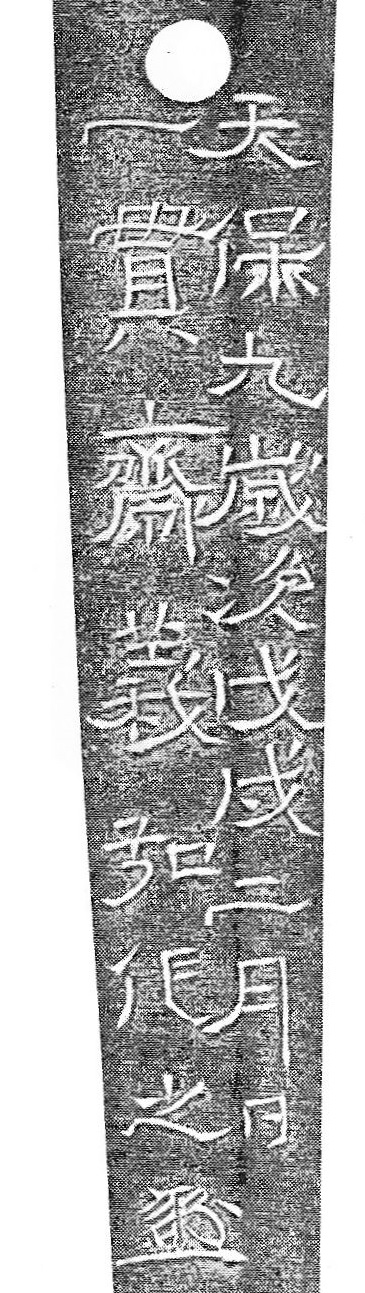
Finally, I would like to point out some interesting sidenotes. Ichikawa Bei´an´s late-born son Man´an (市河万庵, 1838-1907) worked for the bakufu and studied Western artillery under Egawa Tarôzaemon Hidetatsu (江川太郎左衛門英龍, 1801-1855) who was a major figure in the Japanese coastal reinforcement against the West. Hidetatsu in turn had studied calligraphy under Man´an´s father Bei´an and was himself a well-educated man. A smith who worked for a while for Egawa Hidetatsu and who also signed in reisho was Ikkansai Yoshihiro (一貫斎義弘). Another smith who worked for Hidetatsu was Ogoma Sôta Tanenaga (小駒宗太胤長). Hidetatsu met him when he learned sword forging from the then famous master Taikei Naotane (大慶直胤) of whom Tanenaga was a student at that time. Naotane dismissed Tanenaga because of his drinking problem but Hidetatsu felt pity for him and gave him a job as swordsmith in his residence in Nirayama (韮山) in Izu province. But it is assumed that Hidetatsu, student of Bei´an, brought his fondness for calligraphy (and probably reisho) into the Naotane school. Another Naotane-student, Shinkei Tanemitsu (心慶胤光), signed namely in reisho too.

 yoshihiromeitanemitsumei

Picture 3: Signature of Ikkansai Yoshihiro (left) dated Tenpô nine (天保, 1838) and of Shinkei Tanemitsu (right) dated Bunkyû three (文久, 1862).

Again we have here with Tairyûsai Sôkan and other contemporary smiths a case which shows us how closely connected the art of sword forging is with other fields of Japanese culture. Or in other words, just from the fact that a smith changed his signature style we can learn a lot on the currents of his time. That means the subject nihontô is so profound and, if time allows, I can warmly recommend not to stop at forging techniques and blade characteristics. You will not be disappointed.

Gotô Chôjô – The secret saver of the Gotô family?

With this article I would like to deal with the circumstances of the Gotô families moving from Kyôto to Edo. Of vital importance for the Gotô family was the time of the 5th master Tokujô (徳乗, 1550-1631). When Tokujô´s grandfather Jôshin (乗真, 1512-1562) died in Eiroku five (永禄, 1562), his father Kôjô (光乗, 1529-1620) moved the home village of his mother (i.e. Jôshin´s wife) to Kyûshû. But Kôjô eventually returned to Kyôto in Tenshô nine (天正, 1581) to serve – the Gotô were from the bushi class – and work for Oda Nobunaga. One year later Toyotomi Hideyoshi appointed him as supervisor of the prodution and minting of ôban coins and fundô weights. Kôjô was 71 years old when Sekigahara took place and so it is assumed that he did not participate. But his son Tokujô did, being 50 years old, and due to the former employment by Hideyoshi on the side of Ishida Mitsunari. 14 years later at the Siege of Ôsaka, Tokujô and his son and heir Eijô (栄乗, 1577-1617) still sided with the Toyotomi faction and were thus placed under hourse arrest for a while by Ieyasu which was a common milder punishment for bushi. The then Gotô residence was since Kôjô´s return from Kyûshû located in Kyôto´s Yanagihara district (柳原, present-day Kamigyô district). And this is when Chôjô came into play.

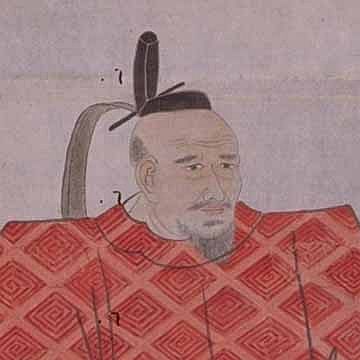
Chôjô (長乗, 1562-1616) was Kôjô´s second son, i.e. Tokujô´s younger brother. He too spend some years on Kyûshû with Tokujô and helped him when they returned to Kyôto but it turned out that he had a knack of economy and business. Apart from that he was a prominent figure of the then art scene and well versed in calligraphy, painting and poetry. For example a close friend of him was the “all-round artist” Hon´ami Kôetsu (本阿弥光悦, 1558-1637). But more important for the continuation of the Gotô is that he became also a close friend of Ieyasu for whom he worked since the eighth year of Keichô (慶長, 1603), beginning with a post in the Foreign Office. He managed it through negotiations with Ieyasu´s successor Hidetada (徳川秀忠, 1579-1632) one year after the fall of Ôsaka in 1616 that the Gotô main line got back all their lands and their annual income of 250 koku. Unfortunately he died right after this success, namely on the 26th day of the third month of the very same year. It is assumed that he died of his chronic stomach problems as we know a report of the 2nd generation of the famous physician Masane Dôsan (曲直瀬道三, 1507-1594) in which he wrote that he treated him on the 15th day of the ninth month Keichô six (1601) on his severe vomiting. Anyway, it was a wise decision of Chôjô to side with Ieyasu right after Sekigahara. Maybe they were in contact before the battle but not much is known about that early phase of Chôjô´s career. In Keichô 15 (1610), he was again favorably treated by Ieyasu and received from him a property only about 300 m to the northeast of the Shirôbei main line residence. There was a temple at that site, the Gansui´in (岩栖院), which was transferred by Ieyasu to the grounds of the Nanzen-ji (南禅寺) before he granted the plot to Chôjô. According to contemporary records, the plot of land measured 7.260 m². Picture 1 shows the area as depicted in the old map „Kan´ei-go Manji-zen ryakuchû-ezu“ (寛永後萬治前洛中絵図, „Map of Kyôto from after the Kan´ei and before the Manji era“). We can see from left to right the houses of Chôjô (1), Shôjô, (昌乗, Chôjô´s fourth son) (2), Kakujô (覚乗, Chôjô´s second son (3), Matazaemon (又左衛門, Chôjô´s third son Jô´en, 乗円) (4), and of Shichirôbei (七郎兵衛, Chôjô´s first son Ryûjô, 立乗) (5).

 GotoMapChojo1Picture 1. Detail of the Gansui´in area.

The shaping of the area goes back to Hosokawa Mitsumoto (細川満元, 1378-1526) who was kanrei (管領, deputy of the shôgun) at that time. He erected there a mansion from wood which was left from the construction of the famous Kinkaku-ji (金閣寺). After his death the mansion was turned into the Gansui´in temple. Chôjô remodelled the area and had a new garden with a pond arranged, the so-called „Yôsui´en“ (擁翠園). He was financially and artistically supported by the wealthy Kaga-daimyô and Gotô-patron Maeda Toshitsune (前田利常, 1594-1658) and the famous tea master Kobori Enshû (小堀遠州, 1579-1647). A nice picture of the Yôsui´en can be seen here at the site of the Kyôto-blogger Amadeus.

At the time Chôjô died and the Gotô main line was rehabilitated, Edo was so to speak „still under construction“. The art world was quite sceptical about the new capital and cultured people from the old Kyôto called the Edo-residents even „eastern barbarians“ (azama-ebisu, 東夷). A first step of the bakufu was the Edo-zume (江戸詰), the order for daimyô to maintain a residence in Edo where they had to stay in the course of the sankin-kôtai system. The Edo-zume order for the Gotô main line came in Kan´ei two (寛永, 1625) at the time of the 8th generation Sokujô (即乗, 1600-1631) who was the second son of Eijô. But he was granted with a residence which was located in the Hon-Shirogane district (本白銀町, present-day Chûô district). In Meireki two (明暦, 1652) and at the time of the 10th generation Renjô (廉乗, 1627-1708), the Gotô got an exlusive contract with the bakufu and became their purveyor. With this, a larger residence was given to them which was located in Kanda´s Nagatomi district (永富町). Well, one year later the residence and most of the family records were destroyed by the Great Fire of Meireki (Meireki no taika, 明暦の大火). The house and workshop were rebuilt and in Kanbun two (寛文, 1662), the headquarters of the Gotô main line were eventually officially transferred from Kyôto to Edo (that means now the main line lived there permanently and not temporarily). With this, all lands were returned to the bakufu and a new residence was given to them in exchange which was located in the Shin-Ryôgae district (新両替町, present-day Ginza district).

Regarding the initial scepticism towards Edo, we find an entry in the „Enpeki-kenki“ (遠碧軒記, 1675) which goes: „Once, no one from the Gotô family went to Edo, because they had for this duty their clerk Shôzaburô.“ With Shôzaburô, Hashimoto Shôzaburô (橋本庄三郎, 1571-1625) is meant who was the clerk (tedai, 手代) of the Gotô family at the time of Tokujô. Shôzaburô met Ieyasu personally in Bunroku two (文禄, 1593) and became the official Edo represesentative of the Gotô two years later. With this important appointment he was allowed to bear the family name „Gotô” and their 3-5-3 kiri crest and got also the name „Mitsutsugu“ (光次). By the way, there was once a document issued by Tokujô and Chôjô in Bunroku five (1595) which stated that the granting of the name „Gotô“ shall not be hereditary, but this „restriction“ was later ignored as Ieyasu supported Shôzaburô in this respect. In Edo he was first and foremost responsible for the minting of koban coins. Being deeply involved in the finances of the bakufu and head of the gold guild (kinza, 金座), he travelled a lot and established Gotô branches in Suruga and on the island of Sado. There were altogether 14 generations of the Gotô Shôzaburô branch. The kinza was confiscated later by the Meiji government and the last head of the line, Mitsuhiro (光弘, 1834-1893), was put under the supervision of the newly founded money, currency and coinage office (kahei-tsukasa, 貨幣司). Well, this office was given up in 1869 and all employees formerly working for the kinza were dismissed. And in 1872, Mitsuhiro had to move out of the Gotô Shôzaburô residence in Honchô (本町), It was namely an old bakufu property and had to be handed-over to the government.

Now we can speculate what the fate of the Gotô family would have been without Chôjô and when both the main line and Ieyasu were stubborn. Maybe they would have stayed in Kyôto or had entirely entered the service and employement of the Kaga-Maeda family as did a later branch of the Gotô. But this is of course only speculation. There was a continuous demand for classical Gotô-style sword fittings which would have guaranteed their survival and we must not forget that they held the hereditary post responsible for minting ôban and fundô weights. Also they had absolutely no financial problems. Besides of their annual income from their lands, the Gotô main line made obviously a fortune with their fittings and the coinage as they were counted to the so-called „Three Kyôto Millionaires“ (Kyôto no san-chôja, 京都の三長者). The other two were the merchant families Chaya Shôjirô (茶屋四郎次郎) and Suminokura Ryôi (角倉了以). Also the Shôzaburô line in Edo became quite wealthy as head of the kinza. So I think that Ieyasu and Hidetada were clever enough to leave the money-related offices where they were and did not replace the Gotô by complete newcomers.

By the way, Chôjô loved the famous Kamo horse race (Kamo no kurabe-uma, 賀茂の競馬) which was once held on the fifth day of the fifth month of every year at the grounds of the Kamigamo-jinja (上賀茂神社) which was located just 2,5 km to the north of his residence. Well, at Chôjô´s time, the horse race was hardly ever carried out and so he took on the task to revive it. He rounded up sponsors, also from the bakufu and the imperial court. Of gratitude, he sponsored every year a spectators lounge of the size of one tsubo (3,3 m²) and prize money in the amount of 200 hiki of gold.

ChojoStatue1

Picture 2: Wooden statue of Chôjô (left) and his wife Tsuru (ツル, ?-1640) preserved in Kyôto´s Jôtoku-ji (常徳寺).

Detailed info about the Gotô family in general and all the genealogies can be found in my book The Japanese toso-kinko Schools.