KANTEI 1 – SUGATA #1

As mentioned in the introduction, we have to start with the basics. So if you are more experienced, you might skip this chapter and stop by later. I deal here with what conclusions may be draw from just the physical features of a blade before introducing the characteristics and changes in sugata. This means, I will talk in this chapter – which will be divided into several blog posts – about blade constructions (tsukurikomi, 造込), blade lengths (nagasa, 長さ), curvature (sori, 反り), the width (mihaba, 身幅) and taper, tip (kissaki, 鋒), shinogi (鎬) and shinogi-ji (鎬地), niku (肉), thickness (kasane, 重ね), back (mune, 棟), grooves (hi, 樋), engravings (horimono, 彫物), and the tang (nakago, 茎).

Note and disclaimer: I will use some pics for this Kantei series that I have saved on my HD for a while now and where I am no longer sure where I got them from. So please, if you see a pic that is yours and I have not asked you for permission to use it, get in touch with me and I take it down immediately! And I apologize in advance for any inconvenience.

*

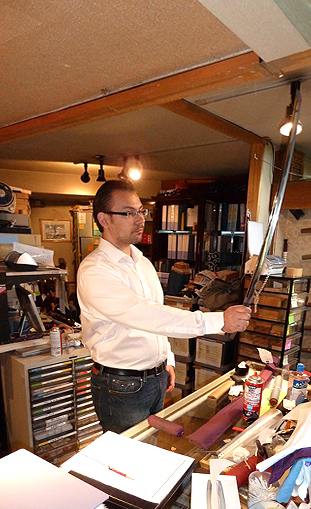
So the sugata serves first of all to date a blade. In a second step, characteristic features in a sugata can also point towards certain schools and smiths. So there is no getting away from it: If you want to appraise a Japanese sword, you have to know about the chronological changes in shape and what form and which sugata was made at what time. There is in my opinion no proper appraisal leaving aside the sugata. Even if later smiths made as faithful as possible copies of Kamakura or Nanbokuchô blades, there is usually always a hint or two in the shape which tells you that you are not facing an original. But one by one. First you pick up the sword and hold it with your arm outstretched in a vertical position. This gives you the best possible overview of the blade´s overall proportions and curvature. Also very important is the “feel” of the blade when lifting it up from the table. Does it feel massive or top-heavy? Or is it light and “easy to handle”? Experts and very experienced collectors are sometimes able to say kotô, shintô, or shinshintô just from lifting up the blade. Well, the weight and “feel” issue is not as easy as it seems and the rule of the thumb “light and easy to handle → kotô,” and “massive and top-heavy → shinshintô (or Satsuma)” is way oversimplified. There are differently interpreted Kamakura blades extant which feel heavy or are so well preserved as if made in shinshintô times. And certain shintô and shinshintô smiths made tachi which are as light as a Kamakura-era blade.

So how should one learn all these things and not give up right away when alone the sugata can be highly misleading? First of all, don´t let yourself be intimidated by the sheer mass of information and the fine subtleties. Study the chronological changes in sugata thoroughly and focus just on the typical characteristics of each era. The knowledge of all the exceptions and aforementioned subtleties comes by itself over time. Even after decades of nihontô studies you will come across blades which don´t fit anywhere and which tell you something new but this should not bother you at the beginning. As said, first learn the fundamentals of sugata as this is the only, or at least the easiest way to make progress. It is not recommendable to start in the middle or follow too early certain subtleties. That means if you know the all the fundamentals and come across something you can´t categorize, it is probably easier to place it after someone experienced informs you about why this certain blade is different. For example, if you come across a blade whose workmanship suggest late Kamakura but which looks more like early Kamakura or late Heian from the point of view of sugata, and someone explains you that there were certain smiths in late Kamakura times who revived (mostly towards the end of their career) these classic shapes, it might be easier to keep that in mind if you already know about the basic changes in Kamakura-period sugata. Or in other words, if you know the fundamentals, you might recognize that such a tachi looks classic. And this is not far off as this was actually what these smiths tried to make, that is to say classic tachi reminiscent of earlier periods. In this sense it cannot be repeated often enough that you should keep asking questions and that your studies should be supported by knowledgeable persons from time to time, in the ideal case at a kantei session held by one of the recognized sword associations or clubs. In the following I want to present a “checklist” whose order had proven to be the most effective approach in appraising a Japanese sword.


1.1 Tsukurikomi

As indicated, the tsukurikomi alone might occasionally allow you to draw some conclusions on schools and smiths. The tsukurikomi is usually also the feature that catches your eye first, even before you check out the sugata itself or things like the sori, taper, or kissaki. The different blade constructions are introduced one by one in the following:

shinogi-zukuri (鎬造): The most common tsukurikomi seen on Japanese swords, or rather on long swords. Also called hon-zukuri (本造). There are practically no conclusions you can draw from the fact that a blade is in shinogi-zukuri except well, it is not an ancient jôkotô, but chances are virtually zero that you come across a jôkotô in the wild. shinogi

hira-zukuri (平造): A hira-zukuri blade has neither a shinogi nor a yokote. It is found on ancient chokutô-tachi but was in use since the Heian period as standard shape for tantô and ko-wakizashi, i.e. what was then the koshigatana. But with the Muromachi period, mostly during the eras Kôji (弘治, 1555-1558) and Eiroku (永禄, 1558-1570), also a considerable number of hira-zukuri katana was made. However, pre mid-Muromachi hira-zukuri long swords are extremely rare and those extant from the Kamakura and Nanbokuchô periods are mostly such made by renowned master smiths for a high-ranking clientel that became later treasure swords and were never used in any battle. hira

kiriba-zukuri (切刃造), also kiriha-zukuri: Similar to a shinogi-zukuri but with the shinogi ridge very close to the cutting edge. We could also speak of an uncurved shinogi-zukuri blade with a very wide shinogi-ji. This tsukurikomi developed from the hira-zukuri interpretation and is, in the case of long swords, only seen on ancient blades or on some later hommages to ancient blades. For example, some bakumatsu and Meiji era smiths “experimented” with kiriba-zukuri shapes. The same applies to the katakiriba-zukuri. kiriba

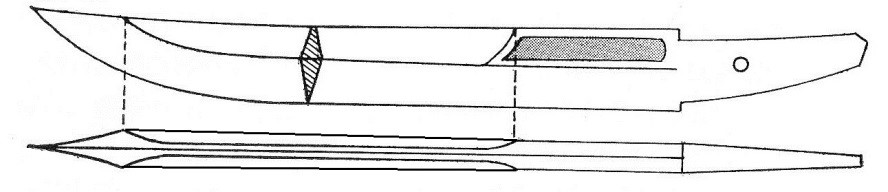
katakiriba-zukuri (片切刃造), also katakiriha-zukuri: Here one side is interpreted in hira-zukuri and the other in kiriba-zukuri. This tsukurikomi appeared towards the end of the Kamakura period but came again in fashion in the early and towards the end of the Edo period. At a variant of the katakiriba-zukuri, the one side is in kiriba-zukuri and the other side in shinogi-zukuri (instead of the hira-zukuri) (see bottom picture below). Representative schools and smiths are: Rai Kunitoshi (来国俊), the Hasebe (長谷部) school, Nobukuni (信国), Kagemitsu (景光), Sadamune (貞宗), Akihiro (秋広), Hirotsugu (広次), Takagi Sadamune (高木貞宗), the Echizen-Seki (越前関) school, the Horikawa (堀川) school, the Yasutsugu (康継) school, Onizuka Yoshikuni (鬼塚吉国), and Taikei Naotane (大慶直胤). katakiriba

katakiriba1

kissaki-moroha-zukuri (鋒諸刃造): This tsukurikomi where the tip area is sharpened on both edges was introduced in the Nara period and as the famous Kogarasu-maru (小烏丸) has this shape, this tsukurikomi is also called Kogarasumaru-zukuri (小烏丸造り). This interpretation is usually limited to copies of the Kogarasu-maru and appears in larger numbers in the bakumatsu and early Meiji era., for example by Gassan (月山) smiths (see bottom picture below). Please note that also certain military swords are in Kogarasumaru-zukuri.kissakimorohakissakimoroha2

shôbu-zukuri (菖蒲造): Basically a shinogi-zukuri without yokote where the shinogi-ji drops off towards the mune. This rather sharp looking interpretation reminds of an iris (Japanese shôbu) leaf, thus shôbu-zukuri. A shôbu-zukuri is mostly seen on tantô and wakizashi of the Muromachi period and there are two different kinds of shôbu-zukuri: At one the shinogi meets in moroha-zukuri-manner the very tip of the sword (see top picture below) and at the other, the shinogi runs like the ko-shinogi up to the mune, just without a yokote (see bottom picture below). Representative schools and smiths are: For Yamashiro Rai Kunimitsu (来国光), Ryôkai (了戒), the Hasebe (長谷部) school, Nobukuni (信国); for Yamato Kaneuji (包氏), Shikkake Norinaga (尻懸則長), Aritoshi (有俊), and Kanetoshi (包利); the Shimada (島田) school; Sue-Sôshû smiths in general; for Mino the Shizu (志津) school and Kanenobu (兼信); the Fujishima (藤島) school; Nobunaga (信長); the Uda (宇多) school; the Hôjôji (法城寺) school; the Izumi Dôei/Michinaga (道永) school; the Sekishû (石州) school; for Bizen Nagamitsu (長光), Sanenaga (真長), Morikage (盛景), Chikakage (近景), Nagamori (長守), Motoshige (元重), the Un (雲類) group, the Yoshioka-Ichimonji (吉岡一文字) school, the Yoshii (吉井) school, Chôgi (長義), and Yoshikage (義景); the Aoe (青江); the Katayama-Ichimonji (片山一文字) school; the Mihara (三原) school; Akikuni (顕国), the Kaifu (海部) school; and for the south Sairen (西蓮), the Sa (左) school, the Ôishi-Sa (大石左) school, and the Naminohira (波平) school. shobu1

shobu2

kanmuri-otoshi-zukuri (冠落造): At this tsukurikomi, the blade starts at the base in shinogi-zukuri but then, usually rather early, the shinogi-ji gets a shôbu-zukuri-style slant which continues up to the tip. This interpretation was popular among Yamato smiths and appears in the early Kamakura period. It was later again revived by some shintô smiths. kanmuri

kanmuri1

unokubi-zukuri (鵜首造): Similar to kanmuri-otoshi-zukuri but with only the middle shinogi-ji slanted, i.e. the base area is in normal shinogi-zukuri and the kissaki area widens again. An unokubi-zukuri is sometimes interpreted with a yokote and is usually seen on tantô and wakizashi. Representative schools and smiths are: Rai Kunitoshi (来国俊), Rai Kunitsugu (来国次), Rai Kunimitsu (来国光), Ryôkai (了戒), Yoshimitsu (吉光), the Taima (当麻) school, the Hoshô (保昌), school, Shikkake Norinaga (尻懸則長), the Tegai (手掻) school, Sadamune (貞宗), Shintôgo Kunimitsu (新藤五国光), Etchû Norishige (則重), Kokubunji Sukekuni (国分寺助国), Unji (雲次), Sukeyoshi (助吉), Nagamori (長守), Chôgi (長義), Yoshimitsu (義光), Tametô (為遠), Masamitsu (政光), Morikage (守景), Morikage (盛景), the Yoshioka-Ichimonji (吉岡一文字) school, the Ichijô (一乗) school, the Mino Jumyô (寿命) school, and the Mihara school (三原). The unokubi-zukuri was again revived in shinshintô times. unokubi
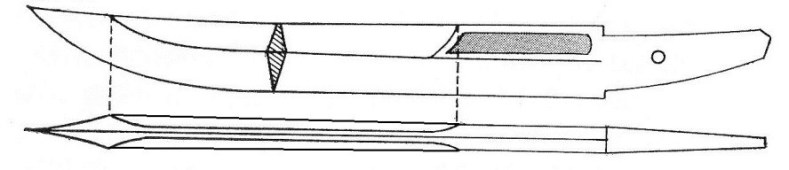
unokubi1

moroha-zukuri (諸刃造): A two-edged blade construction but which is slightly curved and where usually the sharpened shinogi-ji area is a bit thinner than the hira-ji area. This interpretation is first and foremost seen on tantô from the mid-Muromachi period, from around Bunmei (文明, 1469-1487) to Tenbun (天文, 1532-1555). Representative schools and smiths are: Kaga-Shirô (加賀四郎), the Sue-Sôshû (末相州) school, the Odawara-Sôshû (小田原相州) school, the Shimada (島田) school, the Sue-Seki (末関) school, the Hiroyoshi (広賀) school, Fuyuhiro (冬広), the Sue-Bizen (末備前) school, and the Kiyomaro (清麿) school. moroha

moroha1

osoraku-zukuri (恐らく造): An uncommon shape with a very large kissaki. It goes back to the smith Shimada Sukemune (島田助宗) who engraved the characters osoraku onto the blade, thus the name osoraku-zukuri. It is basically only seen on tantô and ko-wakizashi and was actively revived by the shinshintô-era Kiyomaro (清麿) school. The osoraku-zukuri also became more fashionable in recent years and quite many shinsaku smiths get orders to make tantô in this shape.


osoraku

osoraku1

*

1.2 Nagasa

Back to the “checklist.”The first thing to focus on is the nagasa. Has the blade a standard length or is it noticeably shorter or longer? If it is noticeably longer, it might either be an unshortened Kamakura or Nanbokuchô work or from shinshintô times. Or is it a daitô but in terms of length rather close to a larger wakizashi, the Muromachi period comes to mind. So in the next step, the nagasa has to be seen in context with the curvature, the mihaba, and all the other porportions as it is not really a precise indicator by itself.

*

1.3 Sori

Next on the checklist is the sori. Is it deep or shallow and where is its center? If you have a conspicious koshizori you are more likely in Kamakura times and if it is a clear sakizori, better focus on the later Muromachi period. That means the stronger the sakizori, the later the production time in the Muromachi period. And just a hint of sakizori might point to end of Nanbokuchô or early Muromachi. As for the koshizori, is this the “only” curvature you see or “feel” on a blade? If the koshizori “bends down,” i.e. runs out gently towards the tip you have probably an earlier Kamakura-era blade. If the sori increases again towards the tip, you are in the sphere of a toriizori. In other words, the more the sori increases towards the tip at the same rate as it appears towards the base, i.e. the more straightforward the toriizori is, the more likely it is that the blade is mid-Kamakura or later. So with enough experience you can narrow down the time between late Heian and late Kamakura just on the basis of how, or if the koshizori increases towards the tip.

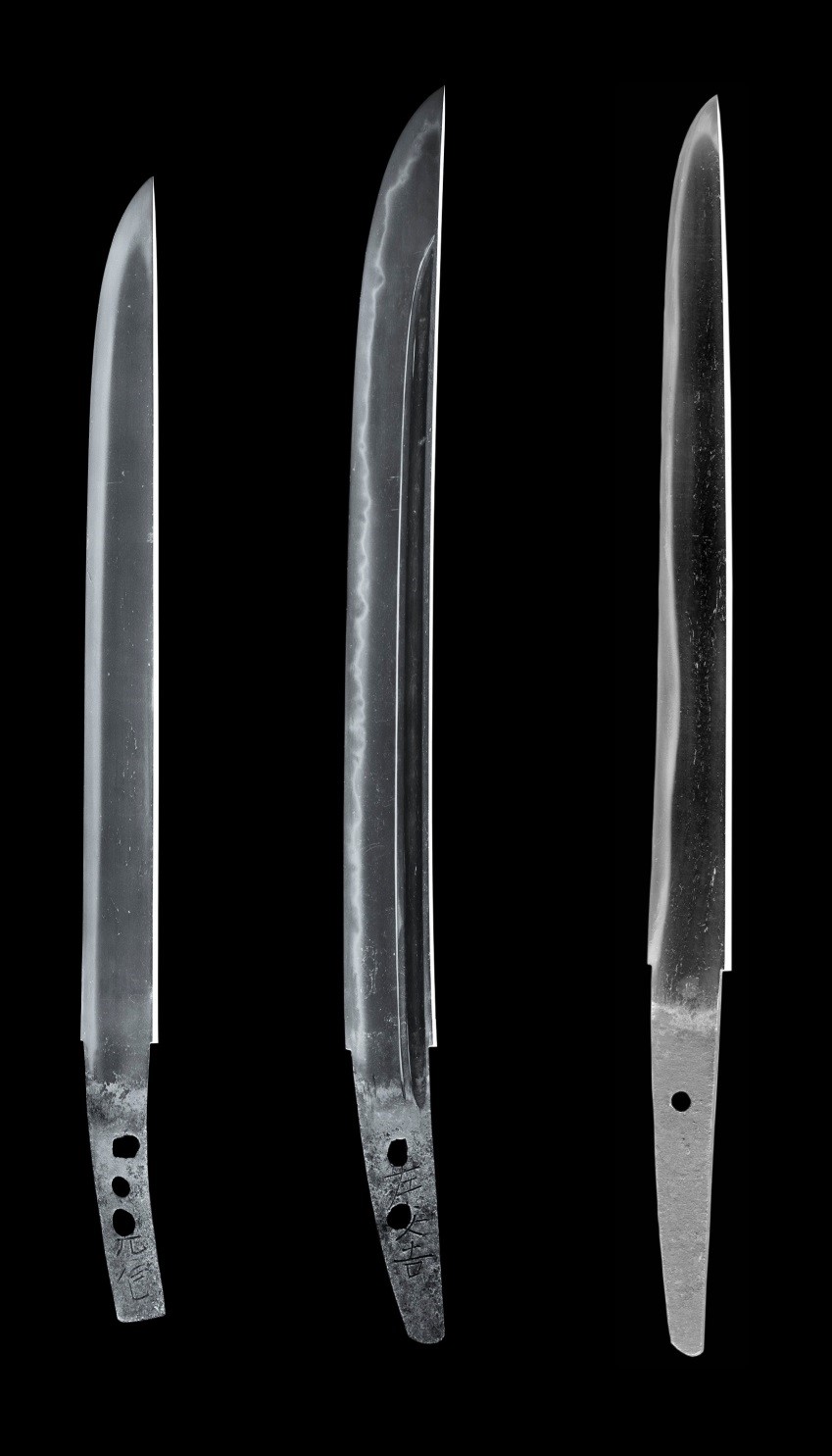
The same goes for tantô. That means even if a tantô is rather short and looks straight at a glance, you have to go sure if it really has muzori or if there is uchizori, takenokozori, or a sakizori, although the latter is usually only found on daggers with a longer nagasa. So uchizori points towards Kamakura or towards a Kamakura-hommage of a later production time. And a takenokozori points to late Kamakura in general and for example to Norishige (則重) in particular. A sakizori on tantô does not appear before entering the Muromachi period and is only found as mentioned on blades which are actually sunnobi-tantô or hira-zukuri ko-wakizashi. And the stronger the sakizori, the later the production time in the Muromachi period.

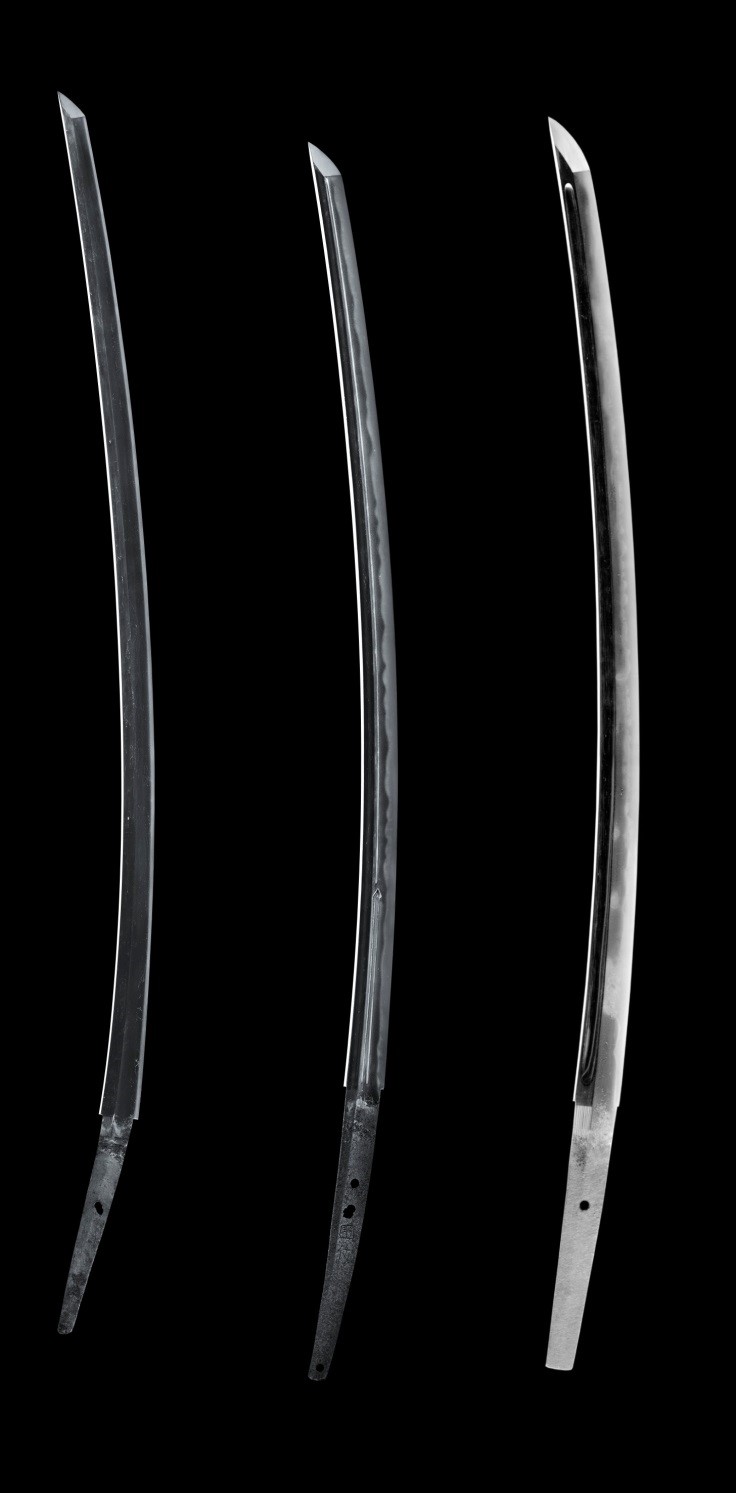
As you see in the pictures below, the actual differences in sori are mostly quite subtle. Or in other words, it is rather rare that you come across a blade that has that a conspicious koshizori or sakizori. Another way to determine the sori rather than holding the blade in a vertical position, especially to see if there is sakizori, is to move the blade into a entirely horizontal position with the butt end of the hilt close to your face and at about the height of your eyes. When you follow now on the mune in this position, it should be easy to see how the blade curves.
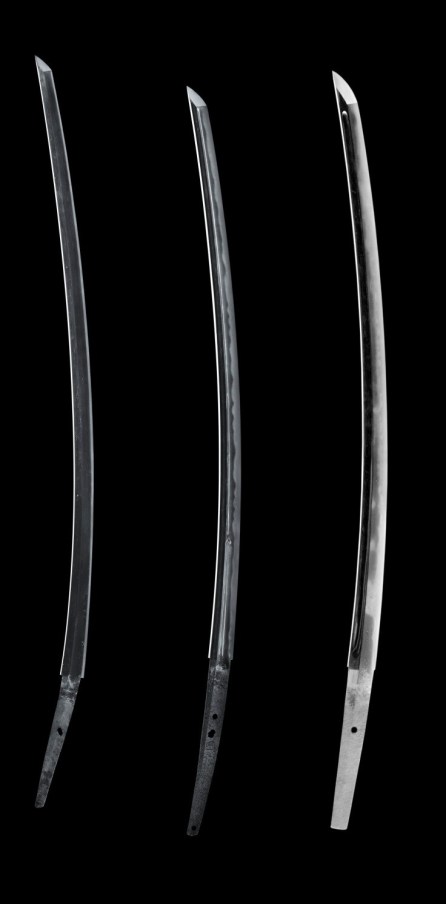
sori1

From left to right: koshizori, toriizori, sakizori
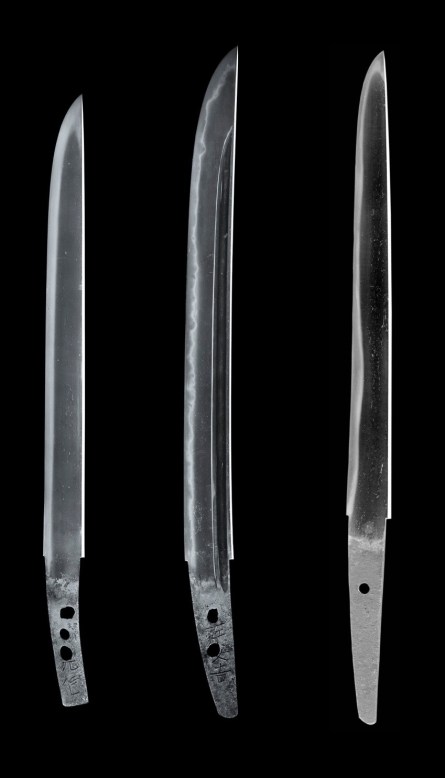
sori2

From left to right: uchizori, a little sori, takenokozori

KANTEI – Introduction

With this blog post I would like to start a series on kantei that is both addressed to beginners and to more advanced students and collectors of the Japanese sword. Accordingly – and depending on your knowledge – there might or more likely will be information that you already know but as the series is largely structured chronologically, you can stop by later and focus on the parts that you might find interesting or useful. With structured chronologically, I mean I will stick to the traditional approach in appraising Japanese swords because this approach turned out most effective on the one hand, and because all major publications are structured this way on the other hand, as it doesn’t make much sense to reinvent the wheel and to make things more complicated than they are. And the traditional approach is: 1. Shape (sugata, 姿) → 2. Steel (jigane, 地鉄) → 3. Hardening (hamon, 刃文), exactly in this order as these steps stand basically for: 1. Shape = Identifying the production time → 2. Steel = Identifying the area of production and/or the school → 3. Hardening = Identifying the school and/or smith (the latter of course by also incorporating the bôshi). All scholastic and other explanations, guidelines, tips, and some anecdotes here and there will be embedded into this basic three-step system. I will try to keep the chapter structure as traceable as possible but at a series like this I guess it is just inevitable to end up with chapters like 3.1.2.2 and the like. At the same time, larger chapters will stretch over several blog posts as everybody will understand that e.g. the Bizen tradition can’t be dealt with in a single post. As indicated, there will be a lot of basics along all these chapters but I try as best I can to make each chapter an interesting read. However, I hope that you will not take it amiss if certain sections might be found more or less the same way in well-known publications. Anyway, the series is on kantei and so I will omit for the most part biographical data of smiths and the like. Or in other words, I would like to focus on differences and characteristics in workmanship and I am not going too much into historic detail with all the school as this information is easily found elsewhere, unless it is necessary for the understanding of what I am trying to communicate. And as this series is on kantei in general and not just on nyûsatsu-kantei, I will also deal with tangs.

 kanteichu_a

Before we get started, I would like to write a few lines on kantei, that is to say from a very subjective point of view. I think the greatest challenge in getting a good feel for attributing blades to a certain school or smith is that you need a master plan. This means, it is not just the lack of available study material that holds one back as a lot has been written and published in the meanwhile. An issue of course is the accessibility of higher-quality or at least decent blades, i.e. you can’t avoid that you have to travel a bit to see these swords. Well, you might think that I’ve got it easy because I can read Japanese and because there is a very kind and active nihontô community in central Europe, or to be precise in Germany, that is willing to show and explain their treasured swords to those willing to learn. The master plan is about how to coordinate and combine theoretical and practical studies. Applying what you have learned to what you see on a sword and trying to bring in line what you see with what you have read earlier is harder as it sounds. Maybe some are natural at bringing these things together but it took me quite some years to assimilate that. Looking back on my first sword meetings it was basically as follows: Informed about the upcoming topic, I started to dig into my books and let’s say if the topic was the Rai school, I read and reread all the chapters on this school and studied all the accompanying pics and oshigata. Doing so, I thought I am pretty prepared and that I have a decent knowledge about the Rai school. But then you pick up one blade after the other and you realize that you have absolutely no clue. Put pointedly, somebody could sneak in any blade and you would still try to figure out for which Rai smith to go. And things don’t get better even after looking at the blades a second or third time. But this is how it goes and I am sure that many of you had the same experience at the very beginning, even with “preparing” for a meeting with given subject. The first thing is as mentioned to build up that bridge in your brain between what you read and what you see, and vice versa. This means, if you neglect building and expanding this bridge, you will run the risk of remaining on one side, i.e. on the theoretical side of just acculumating knowledge or on the practical side of just handling and/or accumulating blades without any deeper insight into classifying them. Don’t get me wrong, I am writing this in the context of the upcoming series on kantei. There is absolutely nothing wrong with focussing on one side or the other, how you tackle, or how deep you are delving into the fascinating subject of the nihontô.

 kanteichu2

A big help in building this bridge are knowledgeable colleagues who are able to recognize your level of knowledge and who give you a helping hand. But this means talking, i.e. you have to ask and the type of question you are asking will tell them pretty exactly where to pick you up. So don’t be shy. Ask someone to show you what a chikei is or how plenty of ji-nie looks compared to a blade with not that much ji-nie. Or how a bright nioiguchi really looks like for example, best in direct comparison with a blade with a subdued nioiguchi. With assimilating these and other points and combining them with your theoretical studies, you will maybe know the next time that you can rule out certain schools when you have a blade with a super bright nioiguchi if we stay with that example. Not asking makes learning so much more difficult and a good teacher with fine blades can save you years compared to learning kantei solely for yourself. But as indicated earlier, it might not be that easy to see fine blades and I am fully aware of the fact that I had it rather easy with being self-employed, flexible, married, no kids, and sitting in realistic reach of fine blades. This means, whenever a sword meeting was announced, my reply was basically: “Let me just get gas and I am on my way.” This brings me to right another factor that must not be overlooked when doing kantei, that is to say the factor of your condition on a particular day. My average trip to a sword meeting was about six or seven hours by car and sometimes I was just too tired to make any sense of what I was seeing. Accordingly, I was wong so many times but this never set me back, for this I had and have too much fun in appreciating these wonderful works of steel. Well, sometimes you wish the ground would open and swallows you for the ridiculously wrong bid you made on a certain sword…

To finish this introduction, I want to say that I hope this series will be of any help for your studies in general and that it will also be a nice supplement for those who got my Kantei volumes in particular which contain all the reference blades. In this sense, let’s go and the first part should follow in a bit.

PS: I will add a separate category for this series which obviously will be titled Kantei (you can find and pick the blog post categories at the very end of this blog).

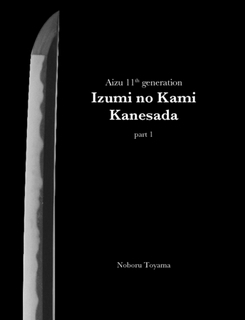
Aizu 11th Generation Kanesada

With my first post from the New World, I want to introduce a publication that had the honor to participate in. It is about the 11th generation Aizu-Kanesada who was active in the bakumatsu era. I had dedicated him an article a while ago which can be found here. The catalogue was written by Noboru Toyama who is one of the leading experts on this smith. I was translating about half of it, the other half was done by Fujimoto san alias Dejimaya. It presents an overview of Kanesada´s works from his earliest to his very last active period, so the reader will be able to become familiar with the changes in his signature and workmanship.

Paperback, 108 b/w pages, 8.5 wide x 11 tall

Price: 37.15 USD for the paperback and 23.20 USD for the eBook version.

Orders can be placed under the following Lulu link:

http://www.lulu.com/shop/search.ep?keyWords=kanesada&type=

Kanesada

Thoughts on the earliest known sword experts

Whilst working off my backlog and working parallel on some projects, I once again came across the question: To whom is all this information we know about swordsmiths today going back? This means, consulting the older sword publications is becomes soon obvious that they all copied from each other over time and go more or less back to the same sources. And to shed a light on these sources by going back as far as possible, so to speak to the Big Bang of extant sword publication, is the aim of this article.

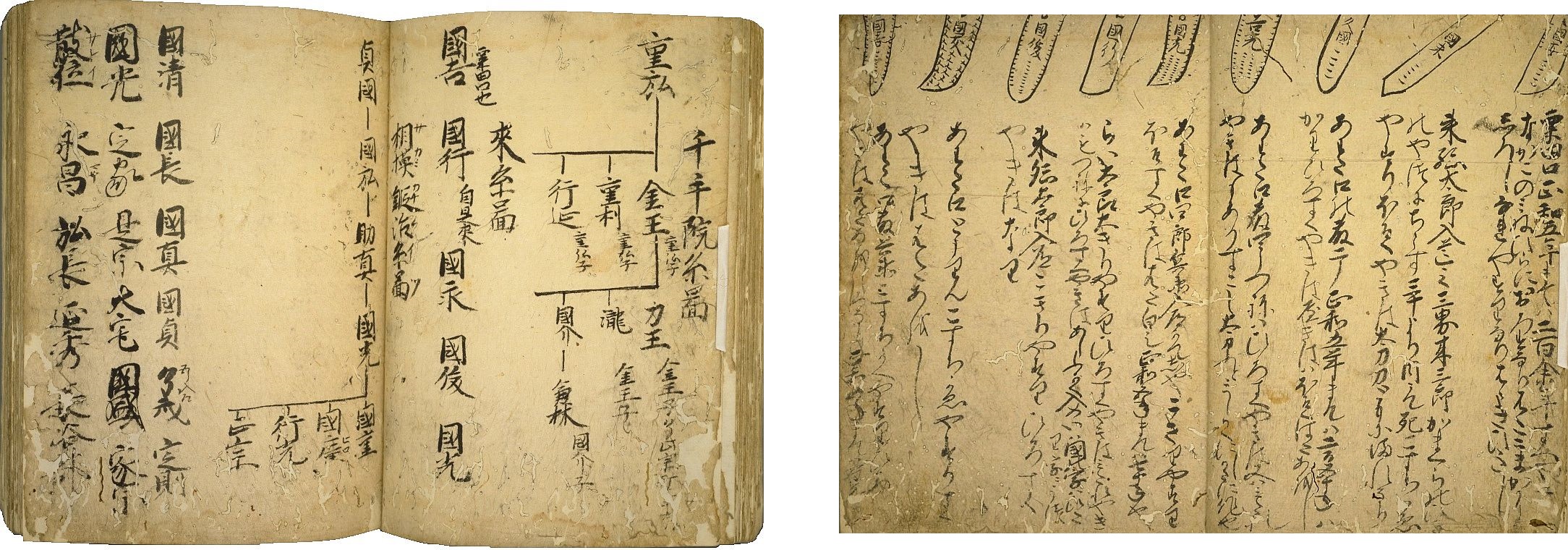
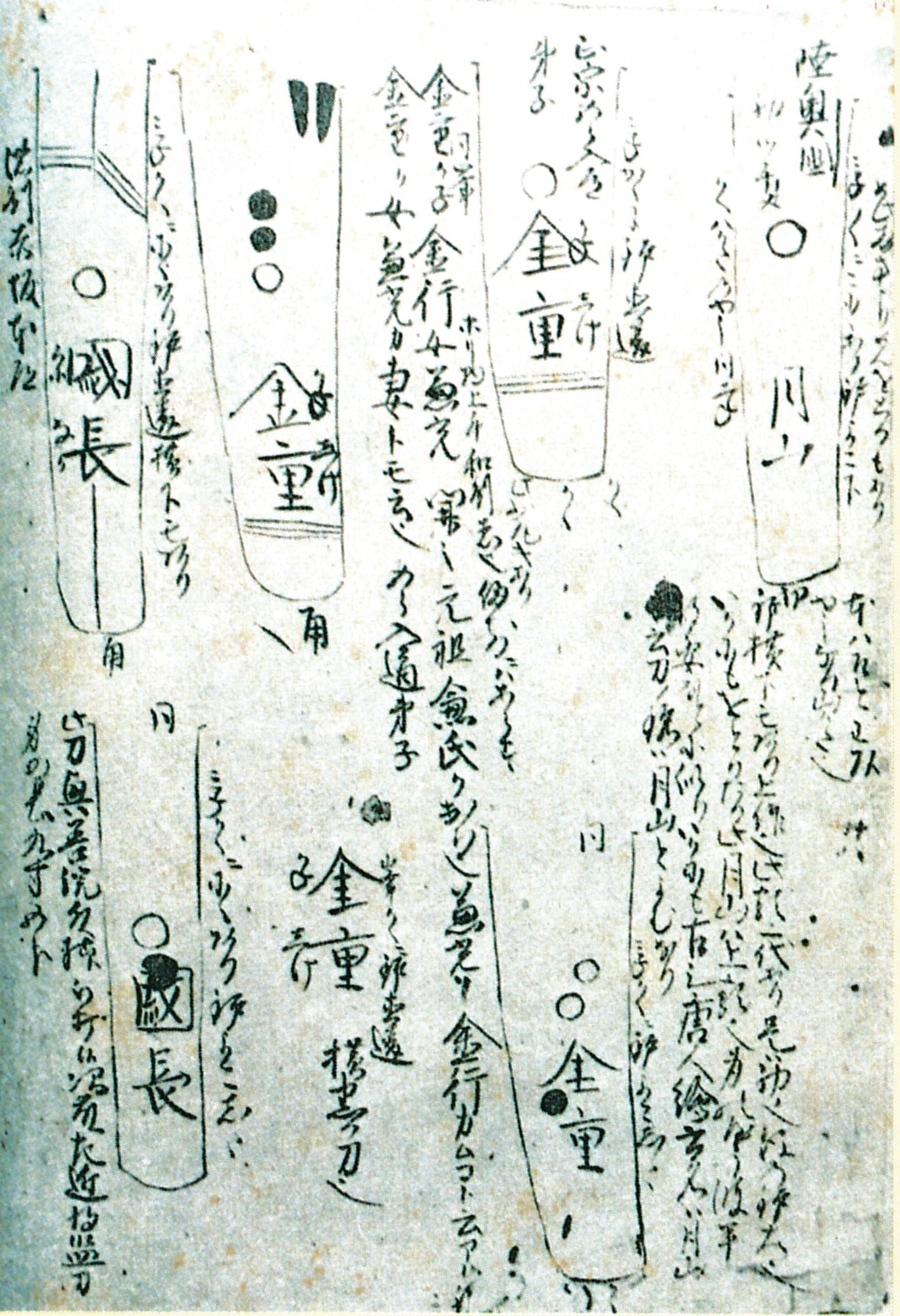
The oldest extant publication that deals solely with swords is the so-called Kanchi´in Bon Mei Zukushi (観智院本銘尽) from the 30th year of Ôei (応永, 1423). From its imprint and comments along the text we learn that it was actually a fair copy of older relevant sword records, gathered until the fifth year of Shôwa (正和, 1316) and done so by a certain Kôzôbô Kôjun (行蔵坊幸順). The initial title of the compilation was shortly Mei Zukushi (銘尽) what might best be translated as “Signature Almanac” or “Signature Overview.” The name under which it is known today goes back to the fact that the book (hon or voiced bon) was preserved in the Kanchi´in temple which belongs to Kyôto´s Tô-ji temple complex. Incidentally, it is thought that the part “Kôzôbô” in the compiler´s name is not a name but indicated that the monk (, 坊) was yet not living in retirement or seclusion, a roaming or more wordly stage in a monk´s life which was circumscribed as kôzô (行蔵). Anyway, the information found in the Kanchi´in Bon Mei Zukushi is quite basic. We see drawings of lower parts of sword tangs and underneath the name of the particular smith, the province, and in the best case his affiliation, the time he worked, his workmanship, and other characteristics (see picture 1 left). The nakago drawings are highly stylized. Some of them bear a mei, or rather just the name of the smith and not a 1:1 copy of an actual signature, and we see indicated yasurime. The tang drawings are followed in the book by a section that we would call today a meikan, i.e. a list of smith names with brief details starting with “Smiths of Ancient Times,” e.g. Amakuni (天国) and the like. Next follows a large genealogic section (see picture 1 right), “interrupted” by a list of Ex-emperor Gotoba´s goban-kaji.

Chrono1

Picture 1: Two pages from the Kanchi´in Bon Mei Zukushi.

The small book of a little over fifty pages looks simple and naive at a glance, but apart from the tang drawings, the information therein is pretty detailed and far away from something someone had made solely up in his leisure time. Question is, where did a humble monk from Kyôto had all this information from? It is totally unclear if and how swordsmiths and their works were recorded at a central location at that time, e.g. at a governmental institution or something like that. But it seems unlikely that temples were responsible for that, i.e. it is safe to assume that the Kanchi´in or Tô-ji did not act as “contact point” for all Kamakura period sword matters. What makes the Kanchi´in Bon Mei Zukushi so interesting is on the one hand that it was written at a time, if we take the Shôwa five date for granted, when the great late Kamakura period masters we appreciate today so much were still active, and on the other hand that it marks the transition from heresay to systematic sword studies. This means, the vast majority of pre-Nanbokuchô references to swords consist of lists of subjective reports of various swordsmen, sometimes accompanied by superficial descriptions of the outward appearance of a blade. The Kanchi´in Bon Mei Zukushi and subsequent publications followed so to speak an opposite approach to this issue, that is to say from the converse argument that certain features on blades meant certain features in their construction and/or cutting ability and in a next step, that blades can be attributed to certain smiths on the basis of these features. Very early sword records consisted basically of subjective reports that were going round and were based on (a warriors) personal experience of the sharpness, the durability, and handling of a blade, accompanied by stories about auspicious or unfortunate swords of certain smiths. This laid the foundations – which was back then very superstitious in character – for a first kind of sword appraisal or evaluation. It was called mekiki (目利) which means roughly: the effect (kiku, 利く) of the outward form/shape (me, 目), or: the ability (kiku, 利く) to make (an) evaluation(s) based on the outward form/shape (me, 目). The Muromachi period is now the time where the mekiki, i.e. an appraisal or evaluation of a blade based on its outward appearance (kensô, 剣相), was replaced by the so-called kantei (鑑定). Unlike the mekiki, which rather judged the quality of a blade based on the kensô and only gave an attribution in second stance, the attribution to a certain smith or school was the kantei´s main goal.

Back to the early sword experts. We don´t know much about Kôjun except the temple he worked for and that he was active at the very end of the Kamakura period. Apart from Kôjun, the early, i.e. pre-Muromachi sword experts that left us their writings can be counted on the fingers of one hand. One of them was Nagoya Tôtômi Nyûdô Shûki (名越遠江入道崇喜). Incidentally, I quoted his family name wrongly as “Nagoe” in my Genealogies and Schools of Japanese Swordsmiths based on the modern reading of the place name to which this name goes back, that is somewhat to the east of Kamakura´s Tsuruoka-Hachimangû. I learned that the area and name was read “Nagoya” in earlier times what I could confirm by checking the chronicle Taiheiki in which his name is quoted as “Nagoya no Tôtômi.” It is assumed that Shûki was a descendant of Hôjô Yoshitoki´s (北条義時, 1163-1224) second son Tomotoki (北条朝時, 1193-1245) who was the founder of the Nagoya-Hôjô line by adopting the name of the Hôjô residence that was located in Nagoya and that he inherited as his family name. Experts assume that “Shûki” was the priest name of one of Tomotoki´s grandsons, Hôjô Atsutoki (北条篤時, ?-1292), or of Atsutoki´s son Kimiatsu (北条公篤, ?-1333) as both bore the honorary title “Tôtômi no Kami.” We know that several of the prominent Hôjô heads of the time that were regents of the bakufu in Kamakura were also sword experts, for example Hôjô Yasutoki (北条泰時, 1183-1242) and Hôjô Sadatoki (北条貞時, 1271-1311). Apart from that, we know of the so-called Chûshin Mono (注進物), a list of sixty of the best swordsmiths all over the country that was compiled by the Nagoya family and presented to the bakufu, then under Hôjô regency, quasi as an orientation guide of what swords to have or give as presents. This too suggests that the Nagoya were closely related to the Hôjô, also because the aforementioned Hôjô regents were working smiths from that very list into their own lists of recommended swordsmiths. So we don´t know exactly who Shûki was but we can confirm that his knowledge was held in high regard and the bakufu welcomed his expertise.

Chrono2

Picture 2: The relevant section of the Genki Gannen Tôken Mekiki Sho referring to Utsunomiya Mikawa Nyûdô and the source of his data, Nagoya Tôtômi Nyûdô Shûki.

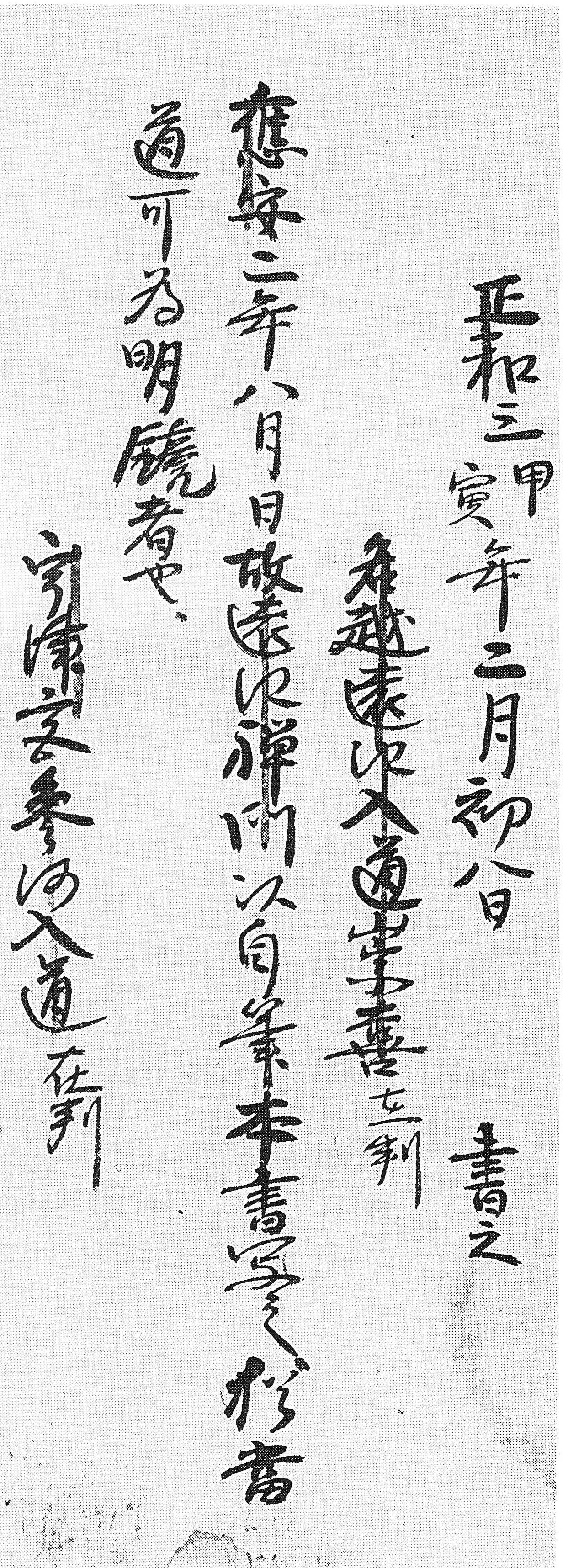
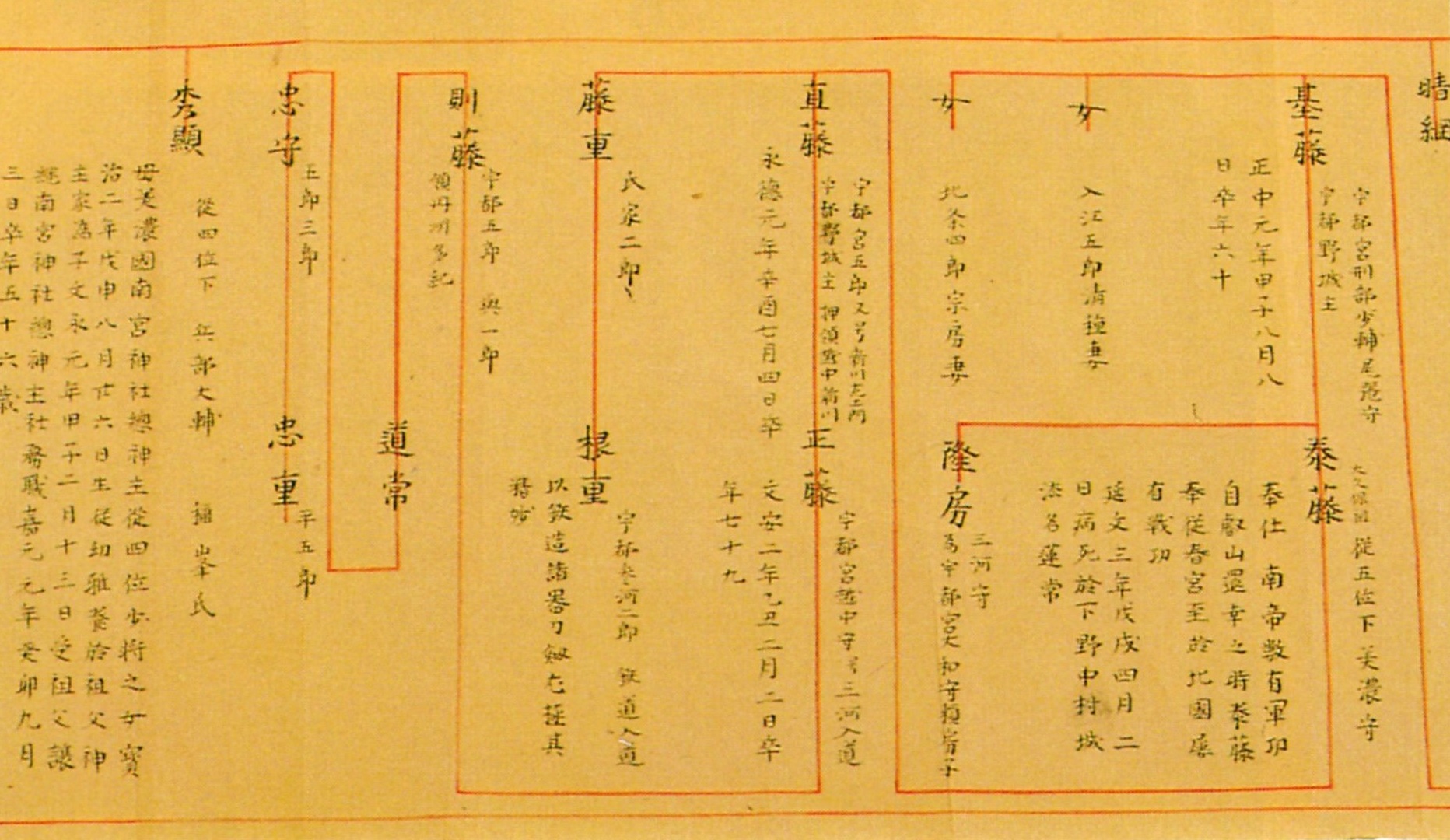
Then there was Utsunomiya Mikawa Nyûdô (宇都宮三河入道) who was the foremost sword expert in service of the Ashikaga-bakufu. The Genki Gannen Tôken Mekiki Sho (元亀元年刀剣目利書) from the first year of Genki (元亀, 1570) states (see picture 2) that its data goes back to a Ôan two (1369) copy of Utsunomiya Mikawa Nyûdô that bases in turn on data compiled by Nagoya Tôtômi Nyûdô Shûki in Shôwa three (1314). A somewhat later work, the Shinkan Hiden Shô (新刊秘伝抄) published in the Tenshô era (天正, 1573-1592) by the then sword expert Takeya Rian (竹屋理安), says that Utsunimoya was a direct student of Nagoya. So when Utsunomiya indeed made a fair copy of the documents he had received from his teacher, he did so long after Nagoya had died as there is a time difference of 55 years between Shôwa three and Ôan two. But this is quite plausible as Utsunomiya probably did all this, i.e. making fair copies of what he had inherited from his teacher, when he was approaching his later years and decided that is now time for him to hand over information to the next generation of sword experts. Who was Utsunomiya Mikawa Nyûdô? The conventional tradition says that he was a member of the Utsunomiya family that held the hereditary function of high priest of the Nangû Grand Shrine (南宮大社). The Nangû Grand Shrine was the head shrine of Mino province and is dedicated to the deity Kanayamahiko (金山彦), the patron saint of all metalworkers and swordsmiths. The shrine has always been an important place of pilgrimage for these craftsmen and, already the tenth century Engi Shiki (延喜式) mentions sword offerings to this shrine by smiths from various regions. So it is also natural that the shrine was in the possession of information dealing with sword and other smiths making offerings to the enshrined deity on a regular basis. The lineage records of the Utsunomiya family that are preserved in this shrine lists a certain Motoshige (根重) with the following details: “Utsu Mikawajirô (宇都参河二郎), Tetsudô Nyûdô (鉄道入道), is very knowledgeable concerning steel goods and swords.” Experts assume that this Motoshige entry refers to Utsunomiya Mikawa Nyûdô but interesting is that the entry right to the right of him about Masafuji (正藤), what would be his cousin, quotes the nyûdô-gô “Mikawa Nyûdô” and says that he died in Bun´an two (文安, 1445) at the age of 79. Motoshige´s mother is listed with having died in Ôei 28 (1421) at the age of 76 what leaves doubt that Motoshige was a direct student of Nagoya. That means when his mother was born in 1345, he must had done the aforementioned fair copy from Ôan two (1369) when he was only 24 years old. And also Masafuji can´t be Utsunomiya Mikawa Nyûdô because he was only three when the fair copy of Nagoya´s data was made. So the sword expert were a looking for was either their father, Fujishige (藤重, ?-?) for Motoshige and Naofuj (直藤, ?-1381) for Masafuji, or their common grandfather Yasufuji (泰藤, ?-1358). Interesting is that Yasufuji´s mother was a Hôjô and that again like in the case of Kôjun, a person related to a religious institution did all the compilation and copying work of the sword records. And probably Nagoya too did all his research after entering priesthood under the name Shûki. Certain traditions say that Nagoya was from Mino but it now seems that this local connection goes back to confirming a master-student relationship with Utsunomiya Mikawa Nyûdô. This means, either Utsunomiya came from Mino to Kamakura to learn from Nagoya or Nagoya spent later in his life some time at the Nangû Grand Shrine, as mentioned hosting the patron saint of all swordsmiths, and taught Utsunomiya there.

Chrono3

Picture 3: The Utsunomiya Genealogy preserved in the Nangu Grand Shrine.

Another sword publication, the Yana Shi Shôchô Mei Zukushi (簗氏正長銘図) states that Utsunomiya Mikawa Nyûdô learned sword appraisal from Yana Gyôbuzaemon Nyûdô En´a (簗刑部左衛門入道円阿). The Yana was a branch family of the Utsunomiya that had adopted the place name of Yana as their family name way before the time of En´a, who is otherwise mentioned as Kamakura-period general. The Yana Shi Shôchô Mei Zukushi continues the genealogy of appraisal and says that Utsunomiya handed over his knowledge to a certain Jun´a (順阿), from whom the teachings were taught over Kô´a (順阿) and Jû´a (重阿) to Saitô Toshinaga (斎藤利永, ?-1460). Toshinaga in turn was the father of Saitô Toshiyasu (斎藤利安, ?-1530) who is regarded as author of the famous Muromachi period sword publication Ôseki Shô (往昔抄), which was published by the way by his son Toshitada (利匡) in Eishô 16 (永正, 1519). With this, we are entering the time of the emergence of the later dominating lineages of sword experts, that is to say the Takeya and the Hon´ami families, and how they went on from there can be looked up in relevant publications, for example my very own The Honami Family.

Chrono4

Picture 4: Page from the Ôseki Shô.

So what we learn from trying to understand the early days of systematizing sword knowledge is that there was a strong connection to temples and shrines. But relevant publications were probably not commissioned by these religious institutions but tackled by former warriors who were studying swords for their whole life but who only had the time and leisure to do so in their later years after retiring and entering priesthood. In this course it is possible that, apart from the direct students and family members who inherited the documents of these experts, copies were made by and left in the temple or shrine the swords experts had retreated to work. Also conceivable is that much of the written bequest of an expert was given to the temple or shrine as there had been a more or less deep connection between the religious institution and the deceased. Just like here where many people bequested their belongings to the church. Anyway, one day I want to write a complete and extensive chronologic overview of all known historic sword publications so that certain connections and lines of thought become evident.

Chrono5

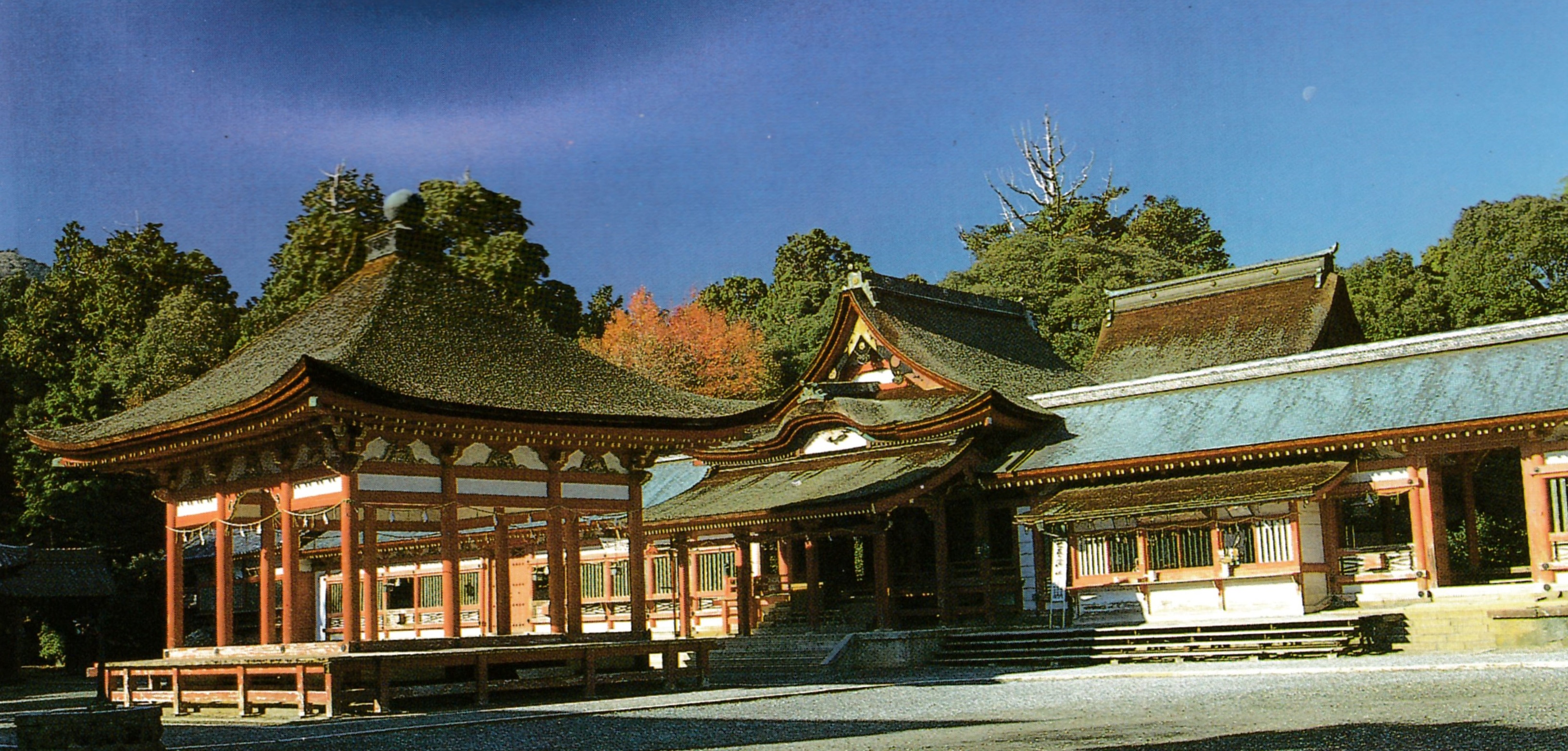
Picture 5: The Nangu Grand Shrine in the present-day town of Tarui, Gifu Prefecture.

In this sense, I wish all of you and your loved ones a Merry Christmas, Happy Holidays, and all the best for 2015! This blog will be closed until some time after New Year but you can get in touch with me at any time via mail (see imprint).

Christmas eBook Super Sale

Dear Readers,

There have been quite decent offers from Lulu recently but in most of the cases, or as far as I remember actually always, eBooks were execluded from these 20, 30, and even 40% off vouchers. To repond to this “unfairness,” I just started, about ten days before Christmas, a Christmas eBook Super Sale where ALL of my eBooks are reduced by 50%! So all my eBook readers who came away empty-handed so far, you can get now basically everything I have published so far for relative little money! This offer will be valid until somewhere between Christmas and New Year, so you have enough time to decide what you want. So fill up all your tablets (or PC´s) with all the important Nihonto and Tosogu reference material you need four your studies!

If you have any questions or can´t find the one or other book, don´t hesitate and contact me via my gmail address stated in the imprint.

Thank you all! (There should be another article published soon, so no Xmas and Holiday wishes for the time being;)

http://www.lulu.com/spotlight/nihontobooks

EBook-Xmas

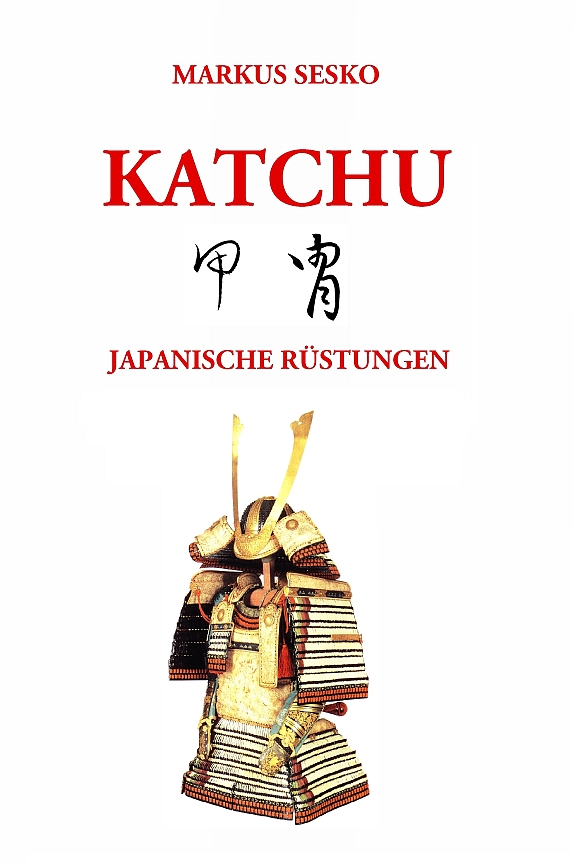
KATCHU – Japanische Rüstungen

For my German readers:

Wir hatten ja letztens festgestellt, dass es kaum deutschsprachige Literatur zum Thema japanische Rüstungen ging. Dem soll mit diesem Buch Abhilfe geschafft werden. Es bietet nämlich eine chronologisch aufgebaute Übersicht über die verschiedenen japanischen Rüstungstypen und für ein besseres Verständnis der Ursachen für die Veränderungen von Rüstungen und Helmen ist jedem Kapitel ein historischer Abriss der betreffenden Geschichtsepoche vorangestellt. Wert gelegt wird dabei wie gesagt auf eine Gesamtübersicht, wobei die wichtigsten Details und das Anführen und Erklären der relevanten Fachbegriffe nicht zu kurz kommen. Für eine Vorschau bitte das entsprechende Feld links unter dem Cover des weiterführenden Links unten verwenden.

Format 15,24 x 22,86 cm, paperback, 262 Seiten, Farbe, Preis 79,90 €

Erhältlich hier: Katchu – Japanische Rüstungen

Cover-klein


Historic overview of aesthetic requirements for a tsuba – Part II

    And again back to tsuba. The insecure Muromachi period played much into the hands of austere trends, a development that was picked up by Zen and the tea culture. As mentioned, Zen Buddhism was quasi tailor-made for the spirit of the warrior class. Well, practicing Zen was a rather solitary thing but with the tea, which of course also had its strong solitary connotations, the educated warriors had a good way to express and share their taste. The end of the Muromachi period thus “perfected” aesthetic ideals that had already been there, for example the so often quoted ideal of wabi (侘) and sabi (寂). Entire libraries can been filled with books and attempted explanations of this phenomenon and I am not going to ruminate them. What we have to know is that concepts like wabi and sabi had existed before but with somewhat more negative connotations. With the Muromachi period, they were kind of slightly “redefined” and no longer referred just to loneliness of living remote from society, just to name one definition, as now also natural objects and human creations could show, or better “possess” wabi and sabi. The aesthetic of wabi and sabi, and please forgive me in not splitting up these terms here as this would go too far, is an aesthetic of rustic simplicity, of something that was created by chance or nature (or looks as if created by chance or nature), of something that suggests wear. In psychological terms, appreciating wabi and sabi means to accept the transience of life, the fact that not everything can be controlled by human, the passing of time. So wabi and sabi are quite “Zen-ish” aesthetical concepts which, once understood and internalized, gives one much joy in appreciating transient moments and, if you want, simple life.

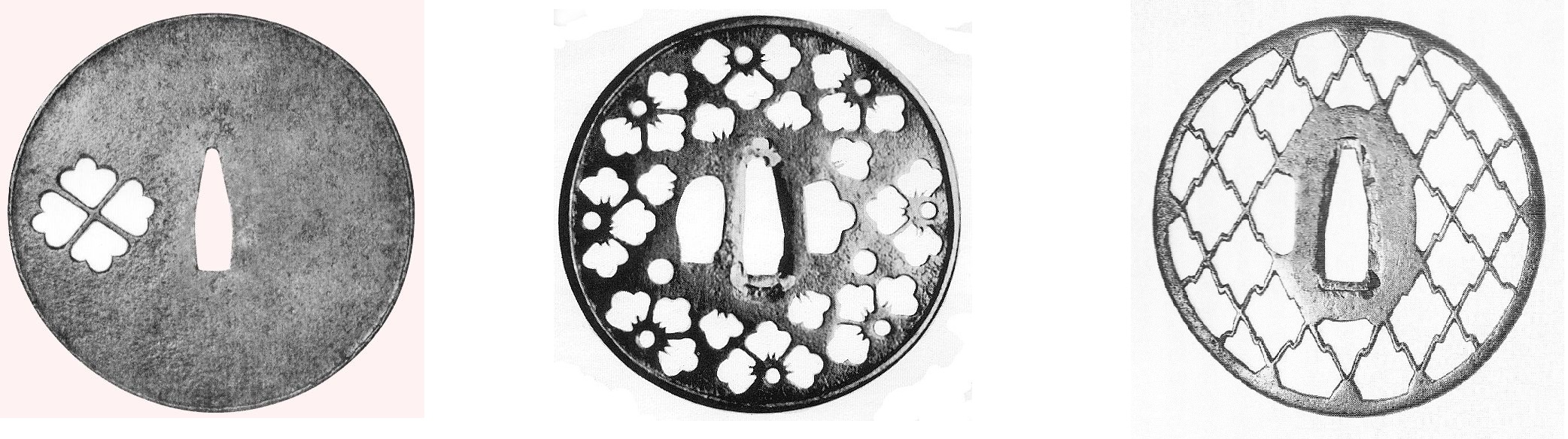
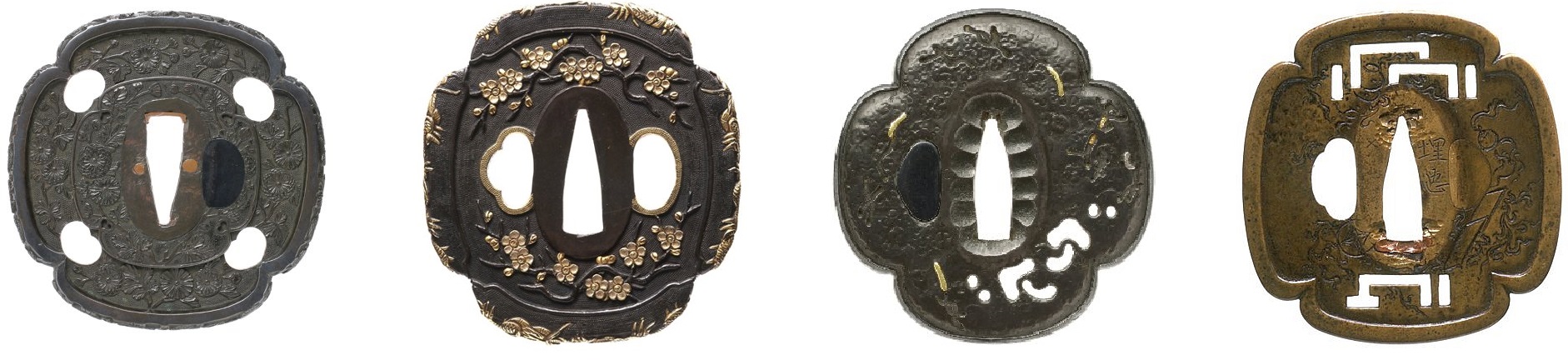
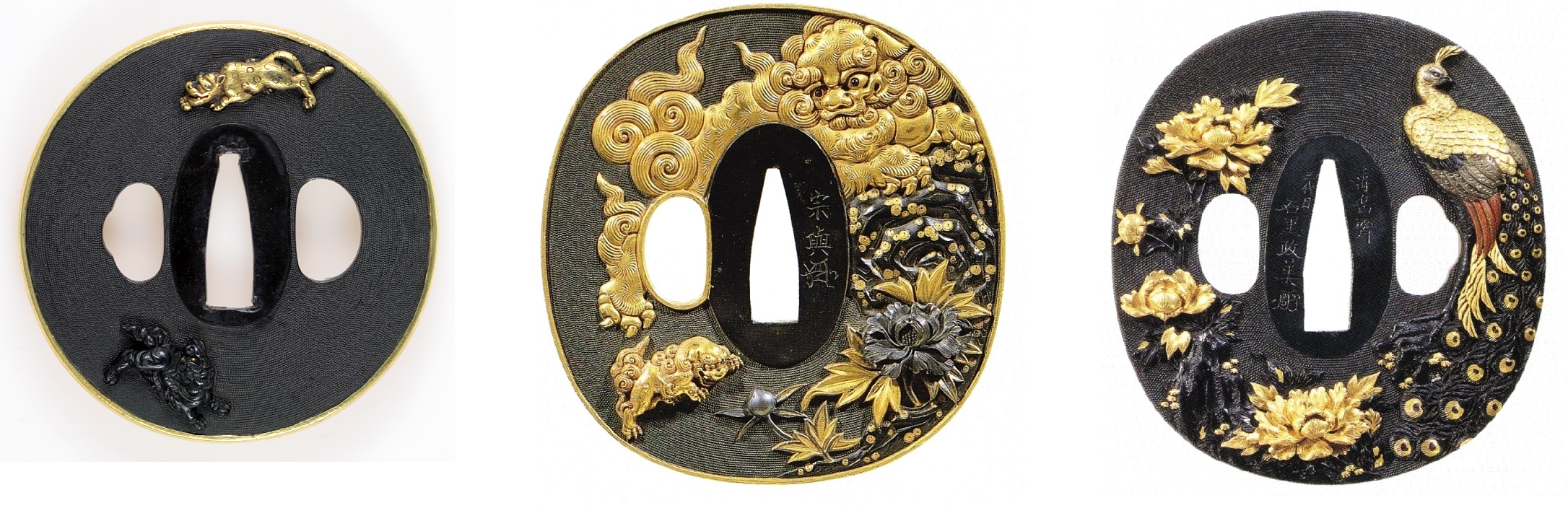
    Of course it took a while until tsuba were reflecting this development and wabi-sabi and tea influences on sword guards might not be seen before the mid-Muromachi period. I have already pointed out that the changes in warfare, society, and rule left their marks on swords and sword fittings. Now it was time to leave behind the sheer practical forms with their naive designs and bring the element “fashion” into tsuba. The simple sukashi that had represented in tentative and unobtrusive manner just patterns from every-day life or maybe religion made place for artistically arranged designs. This development went hand in hand with another one, namely gradually from mere craftsmen like shirogane-shi (白金師・銀師) or tachi-kanagu-shi (太刀金具師) to such that understood themselves as artists, although the first fruits of this change were not to be ripe until the end of the Muromachi period. Representative are the great masters Nobuie (信家) and especially Kaneie (金家) who was the first to introduce real picturesque motifs for tsuba. Pictures 6, 7, and 8 show this development in a highly simplified form.

Aest6

Picture 6: From ko (小) to ki (生) to ji (地) sukashi.

 Aest7

Picture 7: From Ônin to (two) Heianjô to Kaneie.

 Aest8

Picture 8: From tachi-kanagu-shi to Ko-Mino to Ko-Kinkô to Umetada

    Before entering the Momoyama period, uchigatana were basically mounted in an unobtrusive manner, that means black-laquer saya with the hilt covered in black lacquered same and wrapped in leather and with an iron ji-sukashi-tsuba. This elegant style was the forerunner of the subsequent Tenshô-koshirae (天正拵) (see picture 9), a special mounting that has its name from the Tenshô era (天正, 1573-1592) and which has to be seen as a countertrend to the loud koshirae of the Momoyama period. The Tenshô-koshirae in turn paved the way for the highly tea-oriented Higo-koshirae (肥後拵). Again, the Higo-koshirae was a for a while local trend of its own which followed the basic rules of then high-class uchigatana sword mountings of high ranking warriors but interpreting them according to tea aesthetics (see picture 10). And when I am talking of “basic rules” of that time, I mean that the often quoted flamboyant Momoyama-koshirae are actually not that far away from Tenshô or Higo-koshirae. Just the color scheme is considerably louder (see picture 11).

 Aest9

Picture 9: Tenshô-koshirae

 Aest10

Picture 10: Higo-koshirae

 Aest11

Picture 11: Momoyama-koshirae

    So the tsuba of late Muromachi and Momoyama times followed basically either aesthetics of just design (ji-sukashi-tsuba), of more or less simple and refined picturesque interpretations (Ko-Shôami, Shôami, or Kaneie), or of wabi-sabi, whereas of course also in-between, cross-referencing, and hard-to-classify guards existed. I want once more refer to Nobuie-tsuba. These tsuba are made in a highly sophisticated and totally controlled manner but to appear to have natural shapes and a subtle, intentionally rustic, sometimes even archaic, but always very natural surface, terms that perfectly match with the aforementioned brief description of wabi-sabi. The same applies of course to Higo-tsuba which form an artistic world of their own. Another category or rather school of tsuba that emerged in the Momoyama period and which was quite a novelty is Umetada-tsuba. Umetada Myôju (埋忠明寿) was namely the first to transfer the bold but elegant and sometimes even a little bit impressionistic painting style to tsuba that had emerged in the Momoyama period around the artists Hon´ami Kôetsu (本阿弥光悦, 1558-1667) and Tawara Sôtatsu (俵屋宗達).

 Aest12

Picture 12: Nobuie-tsuba, two Higo-tsuba, Umetada-tsuba

    Well, things started to change when Tokugawa Ieyasu came to power. As mentioned earlier, the Momoyama Culture is usually declared over when he elemininated the last remaining member of the Toyotomi family at the Siege of Ôsaka in 1615. The stabilization of the bakufu and the taking shape of Edo can be dated around Keian (慶安, 1648-1652) to Kanbun (寛文, 1661-1673) but Edo had a problem: No influential persons from art and culture had settled in the new capital yet. They refused to leave Kyôto, for example Hon´ami Kôetsu, Umetada Myôju, and the Gotô family, what eventually ended in forced displacements and “offers” which came close to blackmail. Apart from that, the Tokugawa-bakufu issued a series of laws and decrees which pretty well defined every aspect of a bushi´s life. It was precisely regulated which sword style had to be worn with which dress and which koshirae a samurai had to wear when attending Edo Castle for example. As we know, the Shogunate introduced in the former half of the 17th century the sankin-kôtai (参勤交代) system through wich each daimyô had to maintain a residence and household in Edo. With this and countless newly created administrative posts and functions in the new capital, the majority of the warrior class had arranged itself quite fast with Edo. And since they had a “head start” of several decades to do their own thing there, new fashions and aesthetic concepts developed locally. Apart from carpenters, roofers, blacksmiths and all forces needed to create the new center of Japan, Edo was until the mid 17th century only something for the venturesome craftsman and artist and for those who fastly reacted to the new trends there and adapted themselves. That means waiting too long could mean missing the train. A group of artists which did everything right was those of the early Akasaka (赤坂) masters. They put up their tents in Edo quite fast and, supposedly coming from Kyôto, produced as fast according to the new style in demand. This style had still its roots in tea aesthetics but gave them a new connotation, reflecting the then situation of the warrior class: Being proudly the now no longer challenged rulers of the country but at the same time “stuck” in a rigid administrative and hierarchical system. The tea ceremony was of course uninterruptedly practiced but it got a more mannerly touch. And this “being caught” feeling combined with a more and more practical, bureaucratic interpretation of the warrior ideals, and the upcoming of a no longer intellectually inferior merchant and later also bourgeois class resulted in the expression of a new aesthetic ideal that is known as iki (いき・粋). Well, iki is no less complex than wabi-sabi but basically it can be circumscribed as sophistication but always mixed with sontaneity, a pinch of romanticism, elegance and smartness by trying not to be complicated and coquettish. Thus iki is sometimes compared to Western dandyism of the early 19th century. For example, if a samurai or chônin didn´t master iki, he came across as artificial and arrogant as their Western counterparts that earned the dandyism a poor reputation.

 Aest13

Picture 13: From Muromachi to Momoyama era ji-sukashi to Ko-Akasaka to later Akasaka-tsuba.

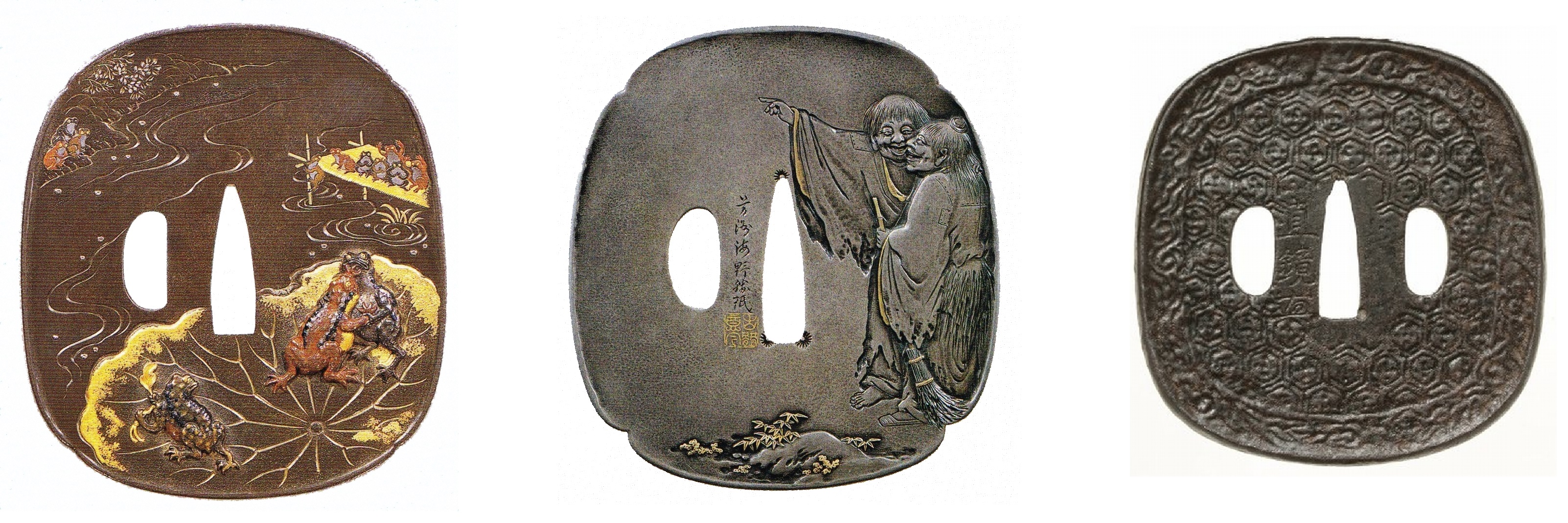
    Everything was peaceful and fine with the Edo period and the first real difficulties faced by the bakufu arose during the Kyôhô period (享保, 1716-1736). At the end of the 17th century, the coin reserves of the bakufu were running short, because the major gold and silver mines were exhausted. Added to that, there was a short period of abundance during the Genroku period (元禄, 1688-1704) caused by unusually high prices for rice, and steady prices for consumer goods. This was the administrative outcome of the preceding periods, and it left the daimyô with a new taste for the finer things of life which they didn´t want to give up. At the same time, some merchants started to play in the same financial league of a daimyô or were even wealthier. This brought some noticeable changes for tsuba. The formal arts, like paintings by the Kanô school (狩野) or the classical interpretations of sword fittings by the Gotô family were left to the warrior class. The educated urban class discovered the fresh and unconventional Chinese “literati paintings” (bunjinga, 文人画) of the Southern Schools (nanshûga [南宗画] or short nanga [南画]) which had already been in the China a counter trend to the “professional painters” of the Northern Schools (hokushūga, 北宗画). This also brought in the rise of the machibori artists (町彫, “carvings of the townsmen”), a counter trend to the so far dominating iebori (家彫, lit. “hourse carvings”) of the Gotô school. Pioneers of the machibori trend were the artists of the Yokoya school (横谷) which hard freed themselves from their Gotô masters. This trend breathed new life into the world of sword fittings, not only in terms of motifs but also in terms of interpretation, combination of colours, and raw materials, and quite many of the great machibori masters were influenced by contemporary painters. Despite the general decline in quantity and quality of swords and sword fittings in the course of the post-Genroku financial difficulties, the machibori stimulus didn´t die down and reached another peak in the bakumatsu period and the transition to the Meiji era. Well, at the same time, the insecure bakumatsu period brought also a jolt towards practicability and simplicity and “back to good old values.” Thus some artists revived Muromachi period styles like of Nobuie. And with the opening of the country, the difficulties for craftsmen who worked in the sphere of the Japanese sword, new markets had to be tapped. One such market was the orientation towards a well funded Western clientel, but this market needed some adjustments as the greater part of customers couldn´t make a head or tail of wabi-sabi aesthetics. In this sense, most craftsmen working for the foreign market focussed on what was in demand, and that was a neat, picturesque, and floral ornamentation with the certain kitchy Japanese touch.

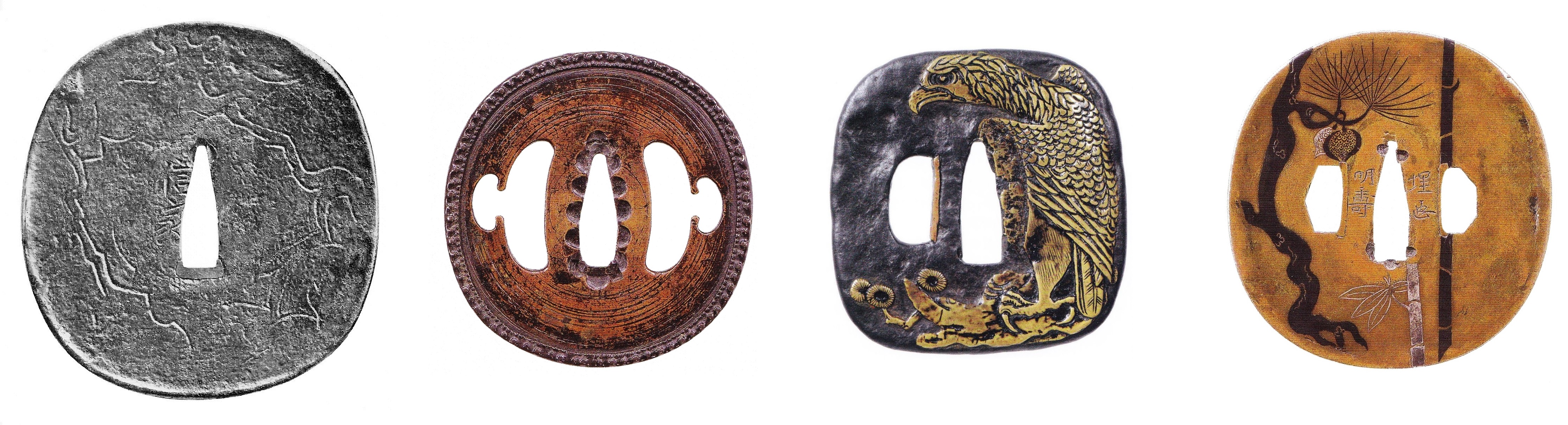
 Aest14

Picture 14: From Goto (left) to the new machibori trend (right two).

 Aest15

Picture 15: A machibori peak and the backwards orientation of the bakumatsu era.

    Well, books can be written on each of these aspects but my aim was to provide an easy to understand historic overview of the development and changes of different Japanese aesthetics and their influence on tsuba as these “dots” are mostly not connected in relevant literature.

Historic overview of aesthetic requirements for a tsuba – Part I

Due to the length of this article, it is split up to two parts.

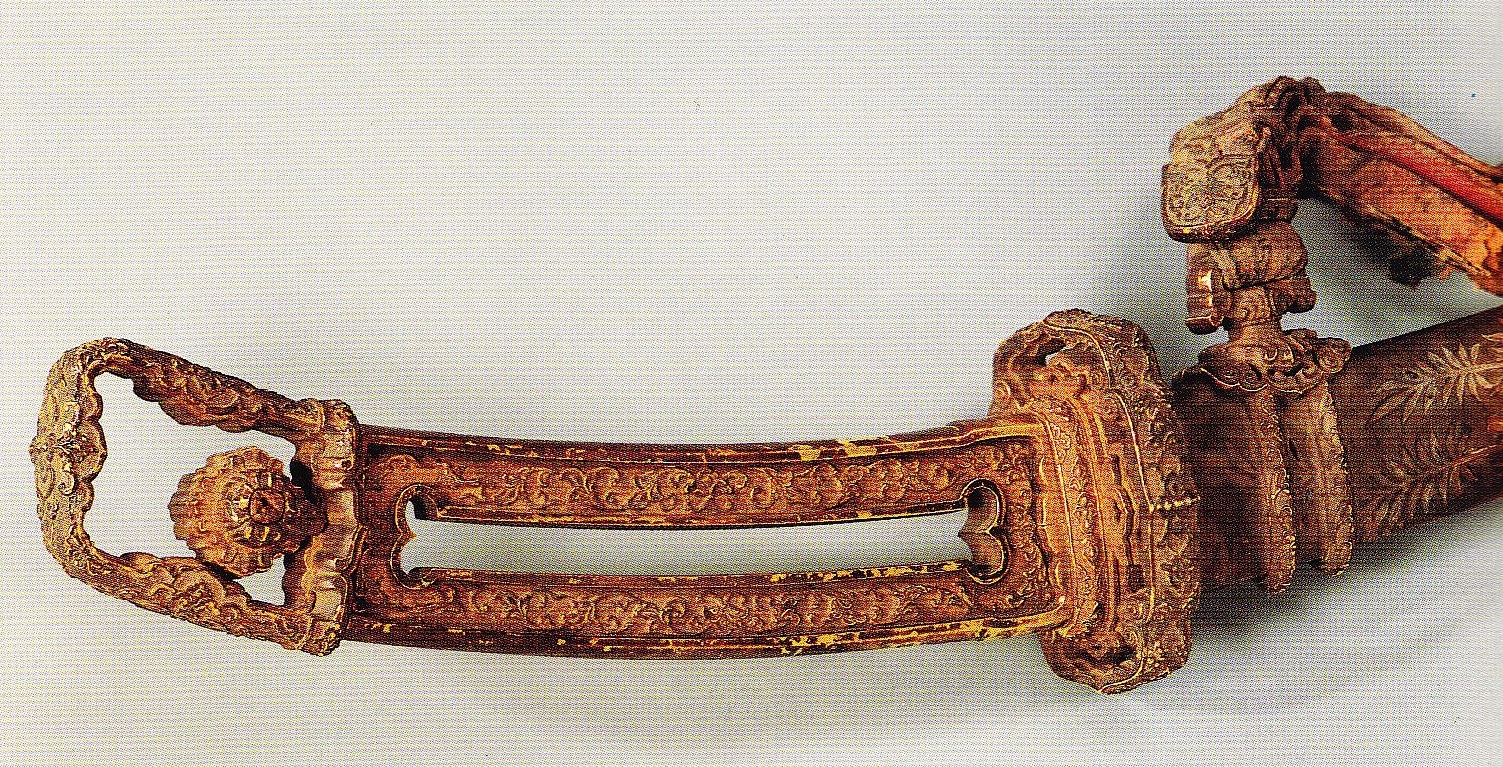
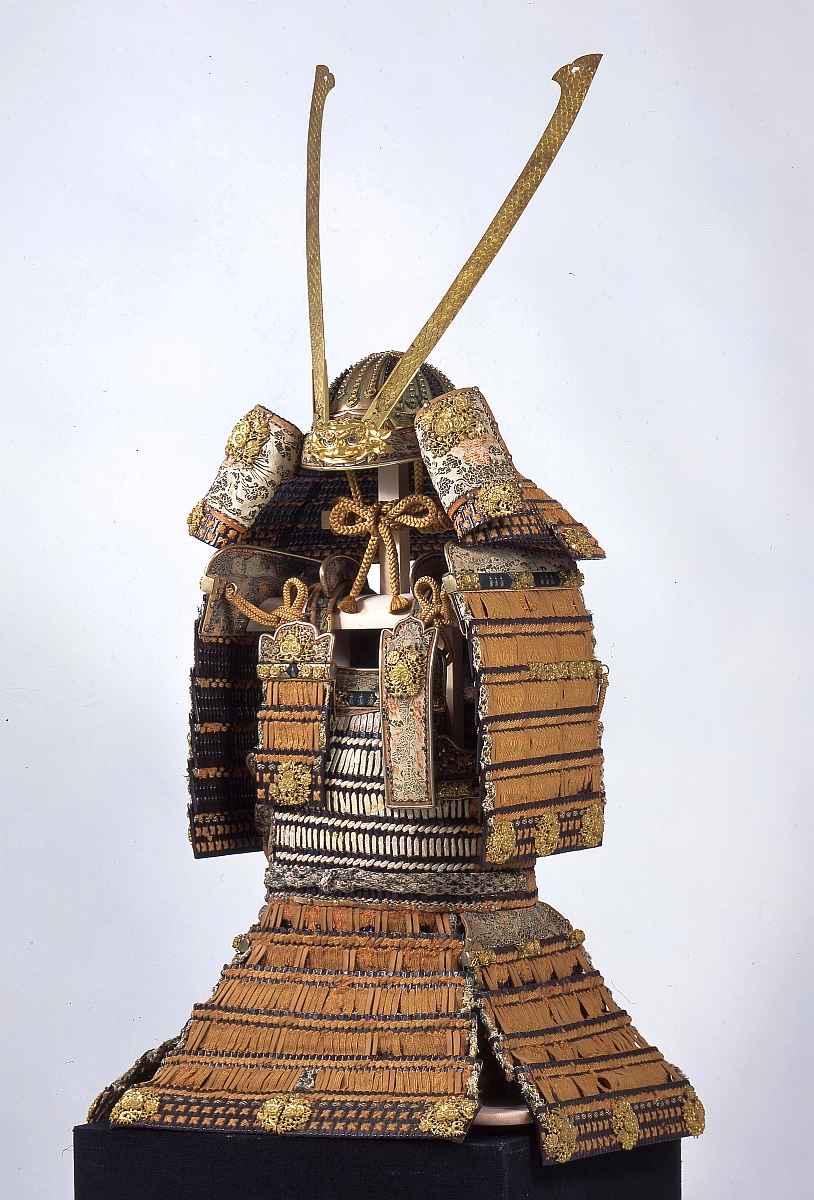
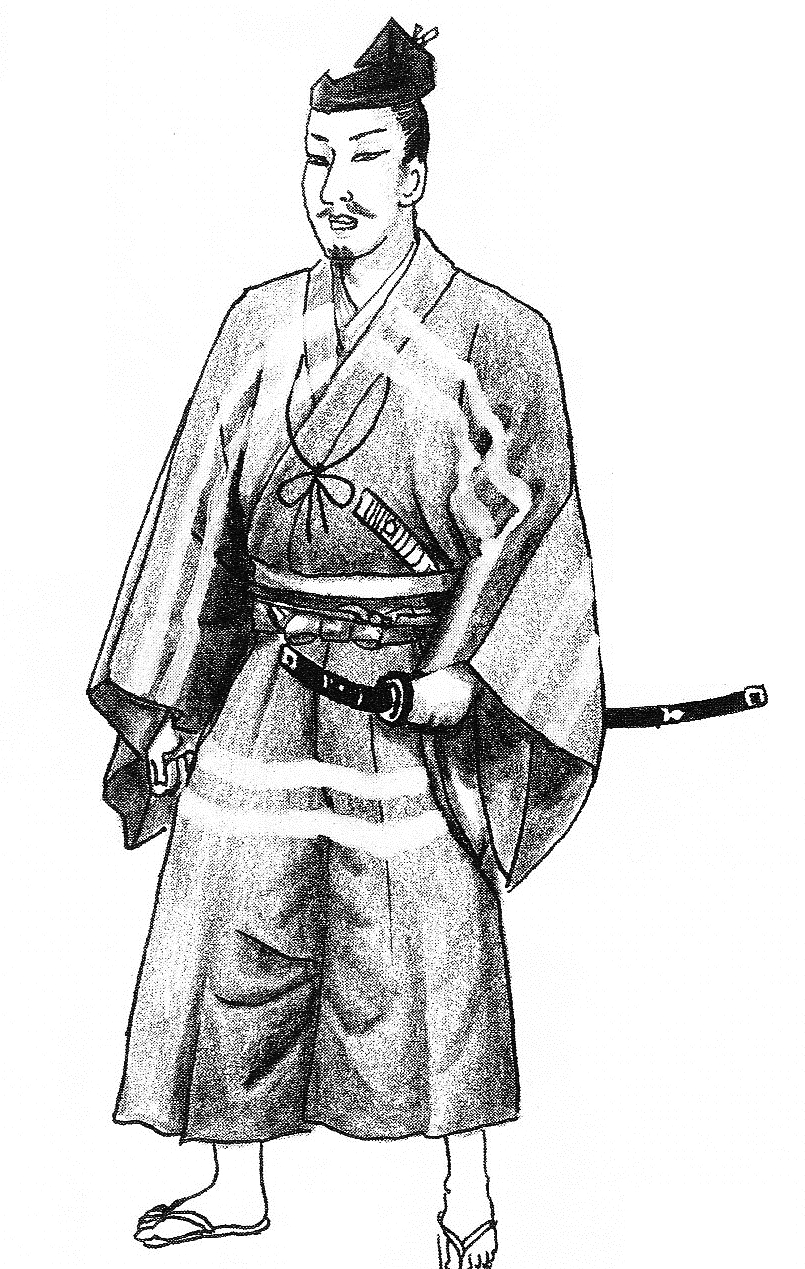
     Today, tsuba are collected for several reasons but probably the most important one is that it triggers something in the beholder, or in other words, a certain style or look matches the viewer´s aesthetic sense. There is a major subconscious level when it comes to taste, a level that is initially shaped by genetical, environmental, and educational, but later also by cultural and social influences. But for the understanding of the different aesthetical approaches in tsuba making, we have to make a chronological excursion through Japanese history. Well the hand guard is an elementary component of a sword and when it comes to the Japanese variant, the tsuba, a lot has been said and speculated about its purpose. Some doubt that it was there to parry an opponent´s sword blow and assume that it rather prevented the swordsman´s hand from slipping onto his own blade but I am of the opinion that the tsuba fulfilled both tasks plus the task to balance the sword. The earliest tsuba of jôkotô swords were, with some exceptions, pretty plain and had, if at all, rather simple and naive decorations and this remained more or less unchanged for several centuries and about entering the Muromachi period. Don´t get me wrong, the decoration itself was often applied in a technically perfect and quite advanced manner but the designs themselves were neither bold nor outstanding from the point of view of the sword mounting seen as a whole. We have to know that until the fifteenth century, warriors, at least those of a certain rank, wore a tachi. This was, apart from the uchigatana which actually did appear much earlier and which will be addressed next, the only sword with a tsuba as accompanying swords like the koshigatana were mounted in aikuchi manner, i.e. without a tsuba, the fuchi meeting the koiguchi of the saya. Back then, the aesthetic requirements of a tachi-tsuba was, as indicated before, to match the fittings of the koshirae. Everything was in balance and en suite, i.e. featuring the same basic design, decoration, and interpretation in terms of workmanship. And this covered basically all ranks, that means the quality of a tachi-tsuba or of tachi-kanagu in general was not so much defined by artistic interpretation but by the grade of sophistication, technical perfection, and value of used raw materials. Picture 1 of a Heian period kenukigata-tachi koshirae from the possessions of the Kasuga-taisha in Nara demonstrates very good what I mean. But what we also must not overlook is the overall “appearance” of a warrior of these times. It was the time of the ô-yoroi, an armor that was made of rows of scales with countless braids and numerous other elements against which a tsuba simply did not have the chance to stand out (see picture 2). When not in battlefield or on a campaign, the usual civilian outfit of a warrior was back then, i.e. from the Heian to the end of the Muromachi period, the hitatare, a two-piece costume more or less ornate depending on occasion. To the hitatare, the very same tachi was worn, either suspended edge down with cords from the sash like when wearing armor, or just carried by hand (see picture 3). Well, higher-ranking bushi surely had several tachi, one to be worn at ceremonies, one for the actual battlefield, and one for the hitatare, but there was yet no “civilian counterpart” to the tachi.

 Aest1

Picture 1: kokuhô, kin-ji raden kenukigata-tachi koshirae (金地螺鈿毛抜形太刀拵), nagasa 96.3 cm

 Aest2

Picture 2: kokuhô, akaito-odoshi ô-yoroi (赤糸威大鎧), Kasuga-taisha

 Aest3

Picture 3: hitatare

    The aforementioned uchigatana emerged in the Heian period but was initially restricted to lower ranking warriors and intended as plain and simple sword for guarding duties and self-defence. Uchigatana were used without tsuba but when we read between the lines of contemporary and later chronicles, we can assume that many of them must had been equipped with a hand guard as also the term tsuba-gatana (鐔刀) existed for them. We know from Heian period picture scrolls that these early uchigatana were worn thrusted edge up through the belt and varied in size, although there was the trend to somewhat longer blades to be effective for defence and self-defence. That means these uchigatana were usually not just slightly longer daggers but at least what we would classify today as wakizashi or ô-wakizashi. Please note that these early Heian and Kamakura period uchigatana were only indirectly related to the later Muromachi period uchigatana, i.e. there was not a gradual development between these two sword forms. The “rediscovering” of the uchigatana is usually explained by the drastic changes in warfare taking place over entire Muromachi period. As we know, it were turbulent times but the mentioned “rediscovering” of the more simply mounted uchigatana does not only go back to these changes in warfare. There was namely more than “just” a trend from more and more higher-ranking bushi wearing uchigatana as secondary, and equipping greater ashigaru armies with simpler swords. The rebirth of the uchigatana is also deeply connected with the then changes among the warrior class and rulership. It was the time when the bushi took over land ownership on a large scale. So they were no longer just armed guardians of someone elses land and obeying to what was decided for them in a powerplay of the shôgun, the court, and the upper clergy, they brought forth from within local military governors, the shugo-daimyô, which soon also united the civil powers of the former authorities with their military office. The result was that until the end of the Muromachi period, a decentralized state system had developed that practically completely replaced the so far central government by either the emperor or the shôgun.

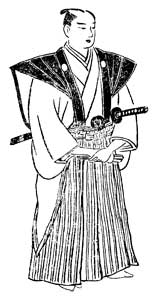
    With these new governmental duties, the local shugo-daimyô hegemons and their samurai vassals, which in turn had to administer smaller land units, developed a kind of strongly “military-overshadowed” semi-civilian administration. And for this, it was of course out of question to do daily duty in full yoroi armor. Was the sword worn earler to the civilan or casual hitatare for reasons of self-defense and, well, to have your sword with you, it became now the visible symbol of rank and authoritative power and eventually the status symbol of the entire warrior class per se. But going into battle meant unchangedly the wearing of a tachi, with some exceptions like lower ranking troops, lightly armed special forces, and different personal tastes. And now we reach the point in history when the golden age of the tsuba begins. As indicated, early uchigatana were with some special-order exceptions of higher ranking bushi usually plainly mounted. And with plainly mounted I mean tôshô (刀匠) and katchûshi-tsuba (甲冑師) with simple decorations in the form of naive sukashi, and later on, i.e. from about the latter half of the 15th century onwards, also with Ônin (応仁) and Heianjô (平安城) style brass ornamentation and larger, more and more sophisticated sukashi openings. The hitarare was gradually replaced along the Momoyama period by the kataginu (a sleeveless jacket with exaggerated shoulders) and hakama ensemble (see picture 4) which in turn was the forerunner of the Edo-period kamishimo (which also existed according to occasion in more or less formal versions, e.g. longer and shorter hakama) (see picture 5). And this development to the quasi “civilian samurai uniform” can´t be stressed enough when it comes to the understanding of the development of aesthetical requirements of tsuba.

Aest4 Aest5

Picture 4: Portrait of Oda Nobunaga wearing a kataginu. Picture 5: formal kamishimo

    Dressed like this for every day duty, the tsuba was now the most obvious eye-catcher of a samurai´s appearance with which its wearer could not only express his taste and “trendiness,” but in a wider sense also his wealth and status. In short, the choice of tsuba was a big statement, and I want to compare it with the status of the car in our present-day society. Most of us are not able to afford the car of our dreams and not is everyone is into cars at all. For many it is just a means of transportation but not few see in their cars a way to display their “status,” or rather financial background. Some have the money but all they need is a reliable ride but which still has to be adequate to their social position, e.g. a premium class sedan. Others might not have the financial background but still go for a premium class sedan whilst some others don´t have the money but get their desired sports car at all costs, even if they have to drastically cut back for years. As addressed, for most of us a car is a must and so we surely check cost effectiveness and what´s on our bank account, but we still strive within these limits for something decent looking and what corresponds to our taste, or in short, what suits us best. Back to the sword world. At the very beginning of this article I was briefly referring to cultural and social influences on a person´s taste and with coming now to the fundmental aesthetic concepts in tsuba design, we again have to make an excursion, this time not through history in general but through art and cultural history in particular. Starting point when Ashikaga Takauji (足利尊氏, 1305-1358) entered Kyôto in 1336. With this, the political centre returned to the old imperial city of Kyôto after 150 years of interruption by the Kamakura-bakufu. The clash of the then there prevailing aristocratic culture with the emulating culture of the warrior class resulted in the development of Japan’s cultural and artistic history, whose aesthetic ideals have characterized the land until today. Well, peace did not last long as the northern and southern imperial dynasties fought for the succession of the throne, an era that went down in history as Nanbokuchô period. Only when Takauji´s grandson, Ashikaga Yoshimitsu (足利義満, 1358-1408, r. 1368-1394), managed to establish a compromise between the two dynasties was peace restored. Through a cleverly devised system of hierarchy and ranking among his retainers and the creation of new offices and administrative bodies, Yoshimitsu was able to keep in check rivalling families and alliances and provide a basis for political stability and peace. A milestone for the subsequent cultural developments was that Yoshimitsu appointed himself as a tributary vassal of the second emperor of the Ming Dynasty in the eighth year of Ôei (応永, 1401). With this, three years later the official trade was able to be launched between Japan and Ming-China, which would last until the mid-16th century. Some years earlier Yoshimitsu started to prepare his country estate in the northern Kitayama district (北山) of Kyōto for his time in retirement from the post of shôgun. The transfer of Yoshimitsu´s centre of rule to Kitayama was the name giver to the entire subsequent cultural heydays of the co-called “Kitayama culture.”

    As already mentioned, with the Ashikaga-bakufu´s entering Kyôto, two cultural worlds collided. The warrior class had been continuously seeking for recognition by the cultural world since their move to Kamakura, but they were constantly lagging behind the refined aristocracy. Because this self-contained culture was unattainable, even by the available financial resources, the bushi started to focus more on objects imported from the mainland, i.e. the karamono (唐物, lit. “Chinese things”). Both Buddhism and tea served as the main catalyst for this process. Buddhism practiced in Japan during the Heian period was elitist, strongly ritualized, and way too complex to be understood by ordinary citizens and, in many cases, by the warrior class too. Thus, a more “secular” interpretation of Buddhist teachings emerged throughout the succeeding Kamakura period. This was the classical period of Amidism whose doctrine was simplified in the hope of redemption in believing in Amida (阿弥陀, Amitābha) by reciting his name (nenbutsu, 念仏). The second major development in Buddhism during the Kamakura period was the emergence of independent Zen sects. It was especially Zen Buddhism, with its favour of direct self-realization through meditation, rigid mental exercises to leave behind one’s own self, the non-renunciation of everyday life, and the willing acceptance of death that made it quasi tailor-made for the warrior class. The key figures in the connections with China had always been the Buddhist monks. During the Nara and Heian period Japan mainly imported from the mainland political ideas for the erection of its own state. But with the Kamakura period, the influence shifted more and more towards cultural and artistic achievements, and the warrior class had to rely on the support of the monks who had an abundant amount of knowledge achieved through religious contacts with the mainland for centuries.

    At the time of the first Ashikaga shōguns, the balance of power was everything but settled. Any bigger clan would have been able – alone or in association with others – to cause significant problems for the Ashikaga. So it was necessary to openly display ones power and wealth quasi as a deterrent, and not only in the military field. A very important tool for the fostering and initiation of alliances, as well as for the presentation of ones taste and understanding of art, were the popular tea parties (cha-yoriai, 茶寄合) and tea contests (tôcha, 闘茶). These tea contests, based on the so-called mono-awase (物合) of the Heian-period court aristocracy, consisted of different things (mono, 物) such as the pairing of shells, flowers, fans or paintings (awase, 合わせ), it also included singing and poetry. The challenge of the tea contest then was to taste different types of tea and guess which tea was of the highest quality. The winner was opulently awarded. The origins of the tea contest date to the Sòng-era China (宋, 960-1279) and, accordingly, such contests were equipped with Chinese-style utensils and furniture. The most precious and exquisite art objects from the mainland were proudly shown to the guests. As mentioned, in order to display ones wealth, these tea parties had to be held in the greatest possible pomp and luxury, roughly comparable to the ball and salon company of the European upper class of the 19th century. Yoshinori (足利義教, 1394-1441, r. 1428-1441), the sixth Ashikaga-shōgun after Takauji, found himself confronted with increasing unrests among the aforementioned military shugo governors of the provinces. New alliances were formed, families wiped out, but about hundred years after Yoshimitsu, the political power of the Ashikaga-shōgun was as insignificant as the political power of the emperor during the Kamakura period. Every faction saw a chance of gaining power and so in the first year of Ônin (応仁, 1467) a dispute over the succession of the shôgun aroused within the Ashikaga family and their allies. This resulted in a decade of constant warfare, the so-called “Ōnin War” (Ônin no ran, 応仁の乱) which resulted, firstly, in the end of the Shogunate and, secondly, in the beginning of the Sengoku period where the already mentioned more and more decentralized state system under the now independent military governors began to form. Within the turmoil’s of the Ônin War, the then shôgun Yoshimasa (足利義政, 1436-1490, r. 1449-1473) retired on his lands in Kyôto´s north-eastern Higashiyama district (東山). Like Yoshimitsu´s Kitayama, Higashiyama also became synonymous for the cultural current that originated and developed in this period, the so-called “Higashiyama Culture.”

    In the period between Yoshimitsu and Yoshimasa, the aesthetical senses of the warrior class changed, mostly due to the uncertain times, the outbreak of the Ônin War, and the increasing adoption of Zen Buddhism among the bushi. This strongly influenced the tea parties which were still important for maintaining contacts with allies and, in some cases, also with the enemies. As mentioned, the early parties resembled ostentatious feasts where tea was served rather “on the side,” the meetings of the Higashiyama era were much more similar to the establishments of the European study or smoking room of the second half of the 19th century. The men of the European upper class withdrew in a smaller group to the study after the “official” meeting, to smoke and drink alcohol while discussing politics and business, that means topics which were not suited to discus at table. In Japan it was exactly the other way round because, during the secluded tea ceremony, profound topics like politics and the like were inappropriate. In practical terms, the ceremonies took place in the so-called kaisho (会所, lit. “meeting point”) areas of the residences. The residences themselves were modelled on the palace buildings, an architecture which is called shinden-zukuri (寝殿造). Gradually, these kaisho were out-housed to an extension, and later an annex specially constructed for this effect. Influenced by Zen Buddhism, the high-ranking warriors started to furnish these extensions in the style of the monk’s modest studies or drawing rooms (sho´in, 書院). This gave this architectural style the name sho´in-zukuri (書院造). The simpler style of tea houses developed in parallel with sho´in-zukuri but it were first and foremost the famous 16th century tea masters like Sen no Rikyû (千利休, 1522-1591) who established the tea house as we know of today.

    Well, the final phase of the Sengoku period saw years of political unification, carried out successively by Oda Nobunaga, Toyotomi Hideyoshi, and Tokugawa Ieyasu. Nobunaga ruthlessly followed his straightforward policy. He eleminated all enemies, brought an economic reform, and instituted free markets, markets that before had been under the iron grip of monopolizing guilds. But he was not able to witness the completion of his plans. His “successor” Hideyoshi was the first to maneuver the decentralized ship Japan back to a central government but he too wasn´t living enough to see that happen. It was Ieyasu who ended all this and brought the country peace, although not right from the start of his Tokugawa-bakufu. Anyway, the time from Nobunaga “ending” the Sengoku era to Ieyasu´s wiping out the last remaining Toyotomi at Ôsaka in 1615 is referred to as Momoyama period. This period of about four decades, or the first three peaceful decades in particular, rang in the development of large urban centers and the rise of the merchant class. After a century of not constant but unpredictable battles and feuds, the land had been bled dry and with the changes the warlords saw or tried to see in Nobunaga, an atmosphere of renewal was prevailing, although it was still a strongly militaristic time and much what the shugo-daimyô did was about creating alliances and steeling themselves for the next turbulent times. This meant erecting castles which had to be practical but also luxurious enough to serve as “venue” for negotiations that impress all present parties. And this trend towards pomp defines what we today refer to as “Momoyama Culture.” Under the Momoyama Culture, the preceding Higashiyama Culture ripened, the earlier Kitayama Culture was assimilated and “japanized,” and most of the ruling class was open to all new, e.g. European influence.

To be continued…

Update and Forecast

As you have surely noticed, the period in between articles got longer over the last months, and I don´t feel comfortable about that because what I want is that this page provides new aspects and interesting insights into the subject each time a nihontô enthusiasts decides to take a look what´s going on at Markus´ blog. This would be the ideal but yet in practice things are different though. Those who know me, personal and via the internet, know that I am never resting in my mission to make information on Japanese swords and everything around it accessible to those who don´t read Japanese. It was about ten years ago when I decided that this will be my way to follow and six years ago I put that decision into practice and went into business for myself. (Well, the Japanese sword accompanies my since I was eighteen but I remember having a book on edged weapons whose title escapes my mind when I was in High School, of which the – if I remember correctly – one or two pages on Japanse swords blew my mind.) In these six years, I was basically driven by personal feedback. That means, I took suggestions on necessary books to heart each time I attended a sword meeting. And at this point, I can´t emphasize enough the trust placed in me amongst (back then entirely German) collectors who gave me the opportunity to study hands-on their priced swords and fittings, even those masterpieces which are usually hidden away and hardly make it into public. I have to pay tribute to these men without whom I don´t know where the journey would have taken me… In other words, my oeuvre reflects the input and feedback I got and I am not going to change this.

When I started this blog in February 2013, I was well aware that I will receive even more feedback, and this was quite intentional. Well, starting signal for this blog was that I got an offer to contribute on a regular basis articles to a blog of a very kind art dealer. Thinking about this offer I decided that instead of continuously publishing somewhere else, I better create my own blog. This is the 2010s and a free, pleasing, and easily findable blog is set up in less than an hour. In a nutshell, friends and interested parties should be able to reach my at my own place and not somewhere else. But what I didn´t consider, or rather underestimated, is the private feedback from this blog. Over the last year and still going, almost a third of my daily work consists of answering questions, giving tips, and referring to further information, publications, and links. Please don´t misunderstand me: This is what I want to do and it is certainly a great pleasure to me to be of help and it was anyway one of the initial aims to create a place of my own. However, I feel like running for years incessantly at full power and now the the blog requires some extra. This causes some minor delays and I apologize at this moment to some of my colleagues and customers for that some things take a little longer than planned.

Anyway, with this I want to come to the forecast and want to inform you what´s going on. A considerable part of the feedback I get is about as follows: “Markus, you provided us with tons of information over the last years. Due to your work, we have now a better than ever starting position to do secondary and advanced studies on our own. But what we now need is references as a picture is worth a thousand words. There are references out there but not collected and verified.” To respond to this demand, I will publish some Taikan-style books in the future, like for example my book on Kanô Natsuo. Planned is in the near future a book on Umetada Myoju, followed at irregular intervals by Nobuie, Kaneie, Kotetsu, Kiyomaro, Masamune and so on. And yes, these books should contain all the relevant works of these artists for you to just look at and appreciate them, or to use them for advanced studies and to get an ever deeper understanding of the subject. Apart from that, I will still write a book on gendaitô, although feedback is still reserved. Well, I got a lot of material from those who told me right from the beginning they will support this project, but to be honest, I thought I would receive far more data by now. Anyway, a book on this subject will be written and it will be a useful book, I promise. Apart from that, I am still working on a project on tsuba and kodôgu that, when finished, will probably the best reference on sword fittings ever published. My proof-reader and I work hard on this and all major non-Japanese sword associations are involved. So this, and it looks like it will be three volumes, will be for decades the thing you have to have in your library when studying tsuba!

Apart from that, the impact of Momoyama culture on swords and, first and foremost, on tsuba absorbed me for years and this will be covered in the upcoming Taikan-style book on Umetada Myôju and his school. What I also plan to write is a book on meitô, i.e. Famous Swords, with all their provenance and so on. And another project on my list is to write a book on the Who´s Who of post Edo sword world. I often have to dig deep to find information on not so well known auhors and experts on swords and sword fittings and I want to dedicate them a book of their own.

So far the updates and forecast and some interesting articles are in progresss. Thank you!