Thoughts on the Gokaden

In the very same source I addressed here, I found another very interesting entry, an entry that kind of predicts the well-known concept of the so-called gokaden (五箇伝), the “Five Traditions”.

At the beginning of the Yamashiro part of my Kantei series I have stated that it is generally assumed that the system of the gokaden (五ヶ伝・五箇伝), lit. “The Five Traditions,” was introduced by Hon´ami Kōson (本阿弥光遜, 1879-1955). “His” five traditions were:

  • Yamashiro tradition (Yamashiro-den, 山城伝)
  • Yamato tradition (Yamato-den, 大和伝)
  • Bizen tradition (Bizen-den, 備前伝)
  • Sōshū tradition (Sōshū-den, 相州伝)
  • Mino tradition (Mino-den, 美濃伝)

Before his time, swords, in particular kotō swords, were mostly classified according to their production site, that is the province they were made in. For example, blades made in Bizen were called Bizen-mono (備前物), and such made in Yamato were called Yamato-mono (大和物). But this classification via mono (物, lit. “thing” or rather “work” in this context) and the province a blade was made in is inflexible and does not make clear any stylistic connections. That is, you can’t see at a glance that for example an Enju blade is, via the Yamashiro tradition, actually stylistically connected to the Kyōto-based Rai school when it is just listed as Kyūshū-mono. So Kōson’s approach via den (traditions) makes sense but the interesting find I made recently shows that he did not come up with that gokaden system out of the blue.


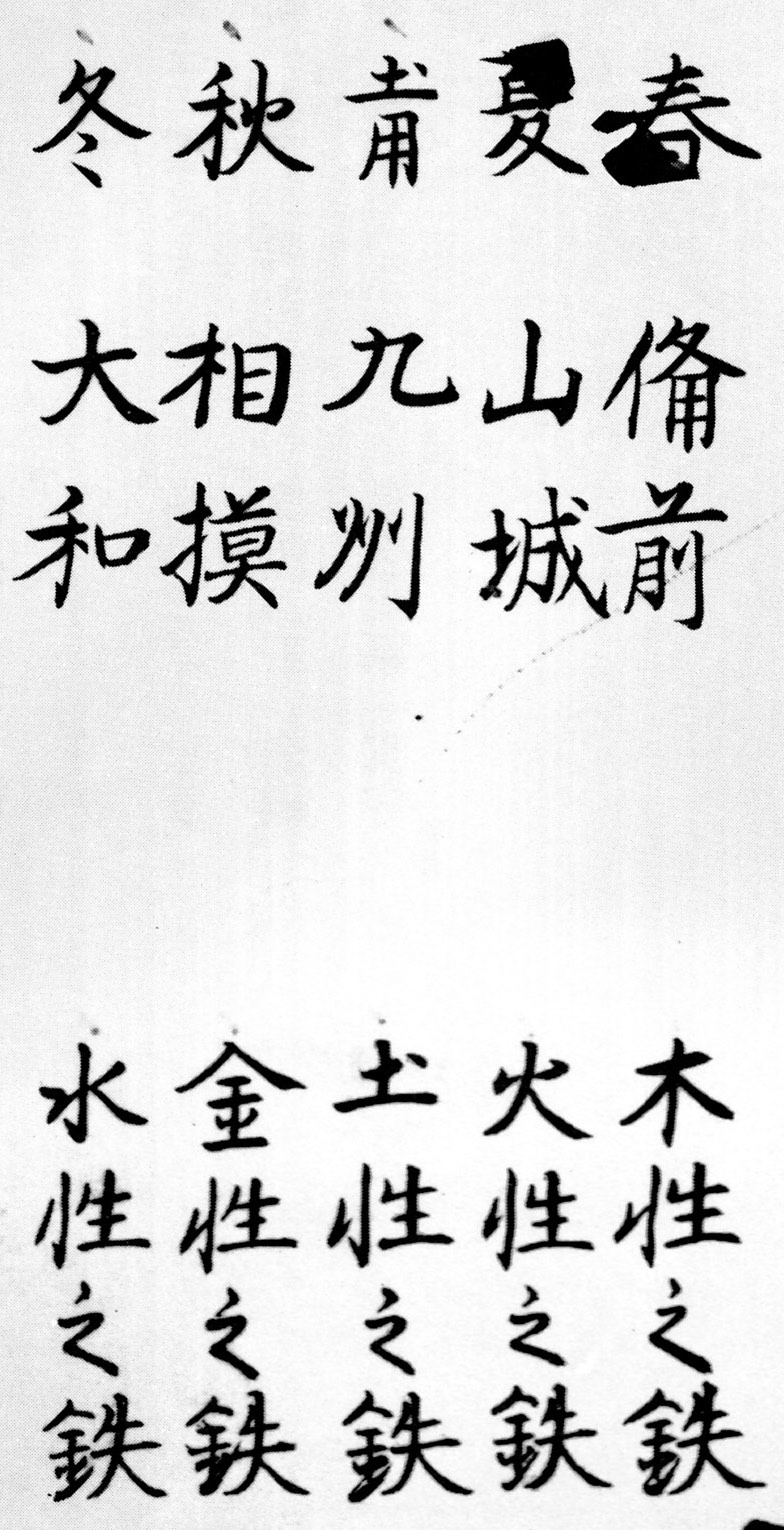
So the section in question is basically about the basics of kantei and it is written in a somewhat esoteric manner. Lets begin with the overview that caught my attention. As seen above, we are provided with five basic classifications, very similar to Kōson’s gokaden. These classifications are:

Spring: Bizen – steel like wood
Summer: Yamashiro – steel like fire
Late Summer: Kyūshū – steel like earth
Fall: Sagami – steel like metal
Winter: Yamato – steel like water

As you probably realize right away, we are dealing here with the concept of the Five Elements or Five Phases (五行, Chinese Wǔ Xíng, Japanese gogyō). Before the mid-Edo period, this concept was very much in use in Japan and, to keep it simple here, it was only given up because of the nationalistic push applied by the Tokugawa bakufu. The book in question was written in the early Edo period and so it still follows the Five Elements approach that was prevailing in earlier periods. It is interesting to see that Mino is not in that list, although by the time the book was written, it had been a major sword production site for more than one hundred years. This suggests that earlier wisdom was copied here which had not yet adopted the Mino tradition into its curriculum (although Mino is still introduced, as part of the Sōshū tradition, see below).

Now the supplement of “steel like wood” for example does not have any direct meaning, neither does “spring” for Bizen province, and it seems that the Five Elements system was applied to swords as a memory aid so to speak. Like an easy to remember way of summing up the five major sword production sites by the manageable number of five which was anyway used by everyone because to the Five Elements concept. But there is more. This list of five is then expanded on the following pages of the book and each province/region is listed with its major schools. Although there are some associations which are hard to follow in terms of workmanship, this expansion of the list of five is actually doing what Kōson was doing later, and that is listing schools and/or smiths in each group which are stylistically connected. The first section is expanded as:

Spring: Bizen – Wood
jōsaku Ichimonji (一文字)
jōsaku Osafune Mitsutada (長船光忠)
jōsaku Hatakeda Moriie (畠田守家)
Ukai Unji (鵜飼雲次)
chūsaku Yoshioka-Ichimonji Sukemitsu (吉岡一文字助光)
gesaku Yoshii Naganori (吉井永則)
gege-saku Kozori Yoshikage (小反吉景)
chūsaku Tajima Hōjōji Kunimitsu (但馬法成寺国光)
chūsaku Bitchū Aoe Moritsugu (備中守次)
chūsaku Bingo Mihara Masaie (備後三原正家)
gesaku Suō Niō Kiyotsuna (周防二王清綱)
jōsaku Hōki Ōhara Sanemori (伯耆大原真守)

As you can see, there is already a qualitative classification via the jōsaku, chūsaku etc. system and for some reason, this school of knowledge thought that Niō Kiyotsuna and Ōhara Sanemori somehow belonged to Bizen. For the sake of completeness, I want to quote the remaining four expansions in the following, and associations have to be taken with a grain of salt.

Summer: Yamashiro – Fire
jōsaku Sanjō Munechika (三条宗近)
chū-no-chū Rai Kuniyoshi (来国吉)
jōsaku Raitarō Kuniyuki (来太郎国行)
jōsaku Rai Kunitoshi (来国俊)
jōsaku Niji-Kunitoshi (二字国俊)
chū-no-ge Ryōkai (了戒)
jōsaku Chūdō-Rai Mitsukane (中堂来光包)
betsujō Awataguchi Tōmanosuke Norikune (粟田口藤馬之丞則国)
gesaku Settsu Nakajima-Rai Kuninaga (摂津中島来国長)
gesaku Rai Tomokuni (来倫国)
gesaku Rai Kuninao (来国直)
chūsaku Higo Kikuji Enju Kunimura (肥後菊地延寿国村)
gesaku Heianjō Mitsunaga (平安城光長)
gesaku Inaba Kokaji Kagenaga (因幡小鍛冶景長)
gesaku Nobukuni 3rd generation (信国三代)

Late Summer: Kyūshū – Earth
betsujō Bungo Kishindayū Yukihira (豊後紀信太夫行平)
jōsaku Ki no Masatsune (紀正恒)
chūsaku Sō Sadahide (僧定秀)
gesaku Jitsu’a (実阿)
gege-saku Satsuma Naminohira Yukiyasu (薩摩浪平行安)
chū-no-ge Chikugo Miike Motozane (筑後三池元真)
gesaku Ōshū Mōgusa Takeyasu (奥州舞草雄安)
gesaku Chikuzen Kongōbyōe Moritaka (筑前金剛兵衛盛高)
gesaku Bungo Takada Tomoyuki (豊後高田友行)
jōsaku Etchū no Kuni Matsukura-jū Yoshihiro (越中国松倉住義弘)
jōsaku Etchū ni Kuni Gofukuyama Norishige (越中国御服山則重)

Fall: Sagami – Metal
jōsaku Bizen Saburō Kunimune (備前三郎国宗)
jōsaku Shintōgo Kunimitsu (新藤五国光)
jōsaku Kamakura-Rai Kunitsugu (鎌倉来国次)
jōsaku Tōroku Sakon Kunitsuna (藤六左近国綱)
jōsaku Tōsaburō Yukimitsu (藤三郎行光)
mujō Gorō Nyūdō Masamune (五郎入道正宗)
betsujō Hikoshirō Sadamune (彦四郎貞宗)
chūsaku Kurōjirō Hiromitsu (九郎次郎広光)
chūsaku Akihiro (秋広)
chū-no-jō Tōgenji Sukezane (藤源次助真)
gesaku Kyō Hasebe Kunishige (京長谷部国重)
jōsaku Mino no Kuni Kaneuji (美濃国兼氏)
gesaku Mino no Kuni Kinjū (美濃国金重)
Chikuzen no Kuni Sa (筑前国左)
chūsaku Bizen no Kuni Chōgi (備前国長義)
jōsaku Bizen no Kuni Kanemitsu (備前国兼光)
chūsaku Bizen no Kuni Motoshige (備前国元重)
gesaku Iwami no Kuni Izuha-jū Naotsuna (石見国出羽住直綱)
gesaku Owari Yamada-Seki Kunitsugu (尾州山田関国次) (via Mino)
gesaku Hachiya-jū Daruma (蜂谷住達磨) (via Mino)
gesaku Etchū Uda Kunimitsu (越中宇多国光)
gesaku Kaga Fujishima Tomoshige (加賀藤島友重)
gesaku Izumo Dōei Naganori (出雲道永永則)
gesaku Awa Kaifu Yasuyoshi (阿波海部泰吉)
gesaku Echizen Chiyozuru Kuniyasu (越前千代鶴国安)

Winter: Yamato – Water
chūsaku Senju’in Shigehiro (千手院重弘)
betsu Taima Kuniyuki (当麻国行)
jōsaku Tegai Kanenaga (手掻包永)
chūsaku Shikkake Norinaga (尻懸則長)
chūsaku Hoshō Gorō (保昌五郎)
gesaku Suruga Shimada Yoshisuke (駿河島田義助)
gesaku Mikawa Heianjō Nagayoshi (三河平安城長吉)
gesaku Ise Kuwana Muramasa (伊勢桑名村正)
gesaku Wakasa Fuyuhiro (若狭冬広)


So it appears to me, as indicated, that the Five Elements approach was nothing more than a vehicle to learn by heart and remember these smiths and their qualitative evaluation. Imagine you are the son of a high-ranking samurai who is sent to learn kantei with a Hon’ami or a Takeya sensei of that time and after a while the teacher would ask you: “What are the smiths for fall and what evaluation do they have?” or “What are the earth steel smiths?” You probably got beaten with a bokutō if you don’t remember correctly 😉

Next in the book follow the major kantei points, distributed into the “Five Elements of Shape” (gotai, 五体) and the “Ten Characteristics” (jūsei, 十性). The Five Elements of Shape are: tsukurikomi, kissaki, mune, shinogi, and overall shape. And the Ten Characteristics are: bōshi, kaeri, nie, nioi, course of hamon, hada, color of the steel (which is again divided into five colors: blue, red, yellow, white, and black), shine, ji, and kitae.

In conclusion I want to say that I am of the opinion that although this all sounds esoteric at first glance, we should not pay too much attention to that, or rather don’t go down that rabbit hole too deeply. Like here, I get more the impression that the concept of splitting up information into five bullet points was an easy way to make such lists as everyone know the Five Elements concept. It is very interesting to see some pre-Kōson gokaden system and that is why I thought I should share this with my readers.


*

Challenges of translating period Japanese sword texts

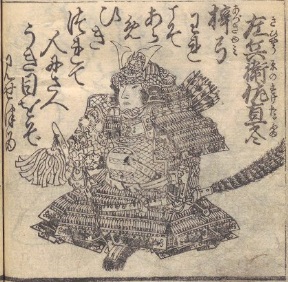
A few weeks ago, one of my dear clients sent me a gift, a thick and old book on Japanese swords, basically with the words: “I got this one but it makes more sense in your hands than in my library. Maybe you can get some valuable information out of it and share them with all of us.” Thank you very much Mr. D.! Now browsing through the book now and then over the last weeks, I found some highly interesting information but first of all, I realized again how tough it actually is to translate period Japanese sword texts. In this article, I want to give you an understanding of my daily struggles and walk with you through the different layers of challenges that I and others are facing doing this kind of stuff. Before we continue, I want to state that I will introduce the title of the book, its contents, and more details about it in the future but suffice it to say, it bases on period sword literature from the Momoyama to early Edo period that goes partially back to the Takeya (竹屋) system of sword knowledge (for some basic info on the Takeya family, see this article here).


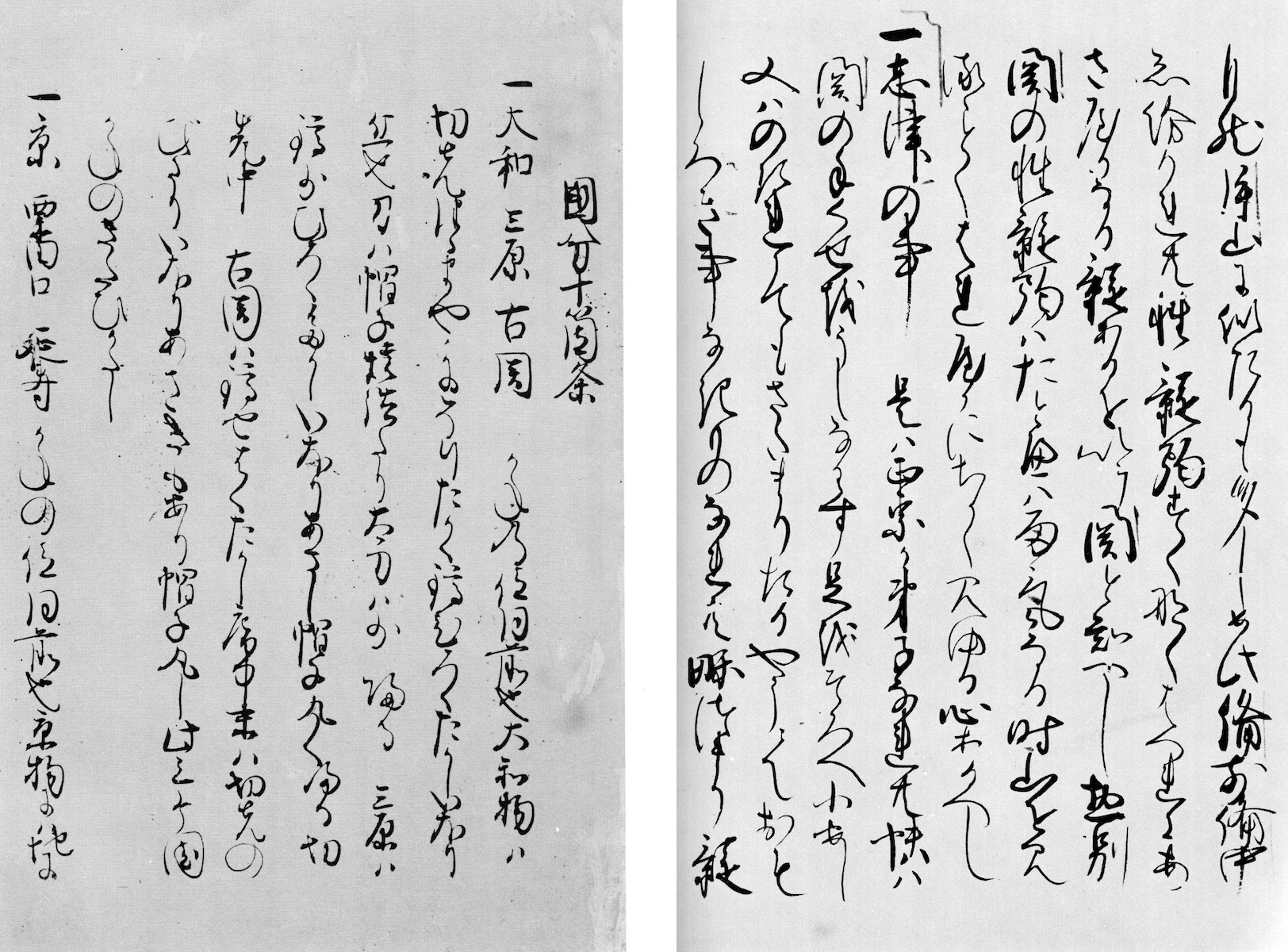
Now the very first challenge is of course being actually able to read/decipher the characters of a text like the two above. For this, you need to know how a Japanese/Chinese character, a kanji is written, i.e. the stroke order and how strokes merge and/or are omitted when writing them in semi-cursive or cursive (grass) script. The former, knowing how a kanji is written, is relatively easy to learn but the latter, being able to grasp the semi-cursive and cursive script, takes some years. This is basically the same challenge as it is with handwritten period Western texts from let’s say the 1700 or 1800s. You just have to learn it. Short anecdote: Some years ago I visited an exhibition in Japan that focused on the early Meiji period and there were letters on display written by some Germans working in Japan at that time which I could not read (I am Austrian as most of you know, so German is my mother tongue). But I was able to read the handwritten letters of their Japanese employers…

If you are able to handle challenge one, the reading/deciphering of the kanji, challenge two comes into play which is making a sense out of what you got. For this you have to understand the Japanese writing system, which you probably do when being able to master challenge one, but for those who don’t, I will explain. The Japanese writing system uses Chinese characters, the kanji, and combines them with a pair of syllabaries, hiragana and katakana. In short, a Japanese sentence usually contains a mixture of kanji and hiragana/katakana, the former representing a certain term and the latter supporting the meaning of that term, having grammatical funtions, and representing particles, just to keep it simple here. To quote Wikipedia in this respect: “Because of this mixture of scripts, in addition to a large inventory of kanji characters, the Japanese writing system is often considered to be the most complicated in use anywhere in the world.”

But wait, there is more. Kanji can also be kana syllables. Yes, you read that correctly. We are talking here about so-called man’yōgana (万葉仮名), a writing system that employs kanji to represent phonetical syllables in the Japanese language. This approach was by the way the origin of the hiragana and katakana alphabet, that is, Chinese characters used to represent a certain phonetical Japanese syllable were written in more and more cursive ways and ended so up as the simple hiragana and katakana we all know today. Just to give you an example, the picture below demonstrates how the character bi/mi (美), which means “beauty”, became via its cursive style of writing the hiragana syllable mi. In other words, if this character appeares somewhere in a period Japanese text and doesn’t make any sense at all in that context, it might just be there substitutional for the sylable mi. So for example if you come across the characters (黒美) in a period Japanese text, they most likely don’t mean “black beauty” because the second kanji is just there for its reading mi. That is, the word is kuromi (黒み), which means “black tinge”, “blackishness”, etc.

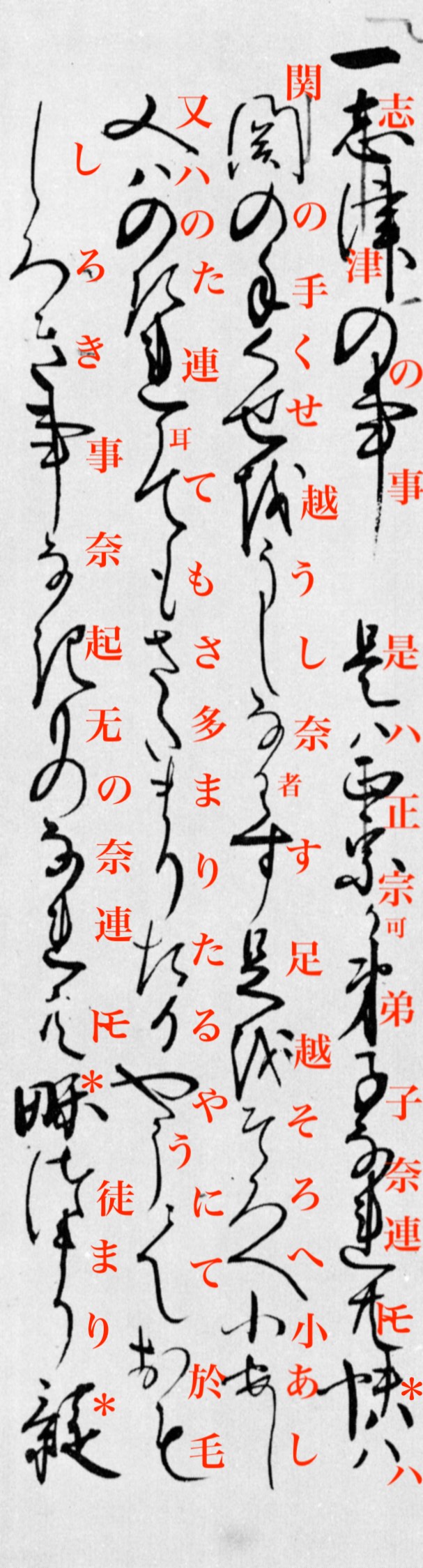
This brings us back to the first picture, the example I am using in this article, and I want to focus on the left four lines of the text on the right. So, if you truly master challenges one and two, you might be able to read/decipher these four lines as follows:


一 志津の事 是ハ正宗可弟子奈連トモ「ヤキバ」ハ
関の手くせ越うし奈者す足越そろへ小あし
又ハのた連耳てもさ多まりたるやうにて於毛
しろき事奈起无の奈連トモ「千ハ田」徒まり「景龴𤴓」

Shizu no koto – Kore wa Masamune ga deshi naredomo yakiba wa
Seki no tekuse o ushinawazu, ashi o soroe, ko-ashi
mata wa notare ni temo, sadamaritaru yō ni te omo
shiroki koto naki mono naredomo, jihada tsumari nie


I want to pick out one word to demonstrate what we just did, the third word in line two, ushinawazu. This word means “is not lost” and would today be written as (失わず), or just with hiragana syllables as (うしなわず). In the period text in question, the syllables na and wa have been replaced with the kanji (奈) and (者) which also read na and wa respectively. Apart from that, you also have to know when a syllable is voiced as those little voicing marks, the dakuten, are usually omitted in period texts. For example here, the last syllable zu is written with the hiragana syllable su (す) and you have to fill in the blank and “make” it into a zu (ず).

If you are still following, this is already pretty difficult so far and to bring that all together smoothly, i.e. being able to recognize, understand, and translate such a text, it takes many many years of studying.

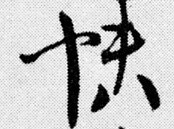
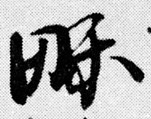
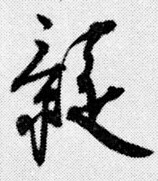
But that is still not all. I picked this text because it contains another nasty little challenge, and that is, it contains so to speak “made up fantasy characters.” Yes, you read that correctly again. The example features three of them which I had to put into Japanese quotation marks 「 」 (and mark them with an asterisk in the picture) because as they are made up as mentioned, they are obviously not available as computer-typeable kanji.


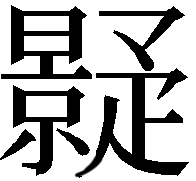
The first one is shown in the picture above. First you would assume some character with the heart radical (忄) to the left, maybe this one (怽). But this character is very uncommon and not in use in the Japanese language. Well, it is used in Chinese but its meaning “a troubled/confused heart” doesn’t really make any sense in this context. Next thing to assume would be that it was used for its phonetical reading, which is or in Chinese but mi or mo don’t make sense either at this place in the sentence. To cut it short: The “character” in question actually consists of the three katakana syllables ya (ヤ) to the left, ki (キ) on top right, and ha/ba (ハ) written around ki. You get it? The term we are looking for is yakiba!

So, making up a character from syllables was totally a possibility back then, even if there exists a just kanji combination for yakiba – (焼刃) – which is not that difficult to remember at all. That is, if you are able to write a book on swords that contains hundreds of other difficult characters, it is not about that you can’t remember the kanji for yakiba and have to make them up. We are just dealing here with customs that were handed down within schools of sword knowledge and we find made up characters like that all the way back in the oldest, pardon, second oldest extant sword document, the Kanchi’in Bon Mei Zukushi.


Back to the second of them (see picture above). Here you see the character (田) to the left and something like (禾) to the right but again, this combination doesn’t exists as a kanji. This time we are facing the combination chi/ji (千) on the left, ha/ba (ハ) written around that at the bottom, and ta/da (田) on the left, at least we had this initially correct… And with filling in the blank and adding the voicing marks in your head, you arrive at the term jihada!


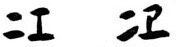
The last one (see picture above) is even more tricky. In this case, the left part of the character is kei (景) which means “scenery” but the part on the right doesn’t even exist as a character by itself. Here you just have to come across some explanation (like I did with the book in question) one day because without that, I guess it is impossible to figure out that the kanji you see above stands for nie, which is usually written with the character (沸). Another way to write nie in this sense of made up characters is combining the two katakana syllables ni (ニ) and e (エ), or ni (ニ) and we (ヱ) (see picture below). On a normal day, you would think of reading e (江) here, as in Edo (江戸), or as the abbreviated character for Gō Yoshihiro’s (郷義弘) (江). Big head scratcher again if you are not aware of the existence of made up characters and how they work.


*

In conclusion I would like to say that if you want to translate period Japanese sword texts, you have to go very deep into the matter of the language, the subject of the sword, and the historical background. But if you do, it is totally worth it because in my opinion, getting a better and better understanding of the subtleties in another language is the best way to develop a decent understanding of the way of thinking and of the mindsets of the people who wrote these texts in the past. Also with translating poems and understanding their sometimes obvious, sometimes highly sophisticated allusions via not only the language itself but the deliberate use of certain characters, you get a grasp of the entire whole of the nihontō that just learning features in the steel can’t deliver. But this is something you really have to invest time and energy in, and probably need a teacher, so nothing you can just tackle at the side. The icing on the cake after many years of blade studies if you will. I am now studying Japanese for exactly 20 years and translate for about 15 (first as a hobby and 10 years now full time as my job), and it still feels as if I just have pushed open a door, a significant door maybe which makes you aware that the doors you have opened so far were nothing compared to what is still out there…

*

Volume 2 – Tosogu Classroom

Update on the project:

Volume 2 has just been completed and I am placing orders for members who have prepaid as we speak. That said, if you are going volume by volume, you can get in touch with me at your convenience to order Volume 2. Members of the three associations who organized this project – which are the JSS/US, NTBHK/AB and NBTHK/EB – can order Volume 2 for just the cost of printing and shipping, which is $44 within the US and Canada. If you are not a member, the price is $64 per copy. Slightly different prices apply for outside of the US so please get in touch with me to talk about details. As you can see in the preview below, Volume 2 is with almost 700 pages quite substantial. It is the second volume that deals with artist who worked in iron. Volume 3 and 4, which should follow in the coming months, will deal with the kinkō guys and Volume 5 is the color volume.

Thank you for your attention.

Volume 2 Contents

Kasuga-taisha Find Update

A brief update to this post from 2016.

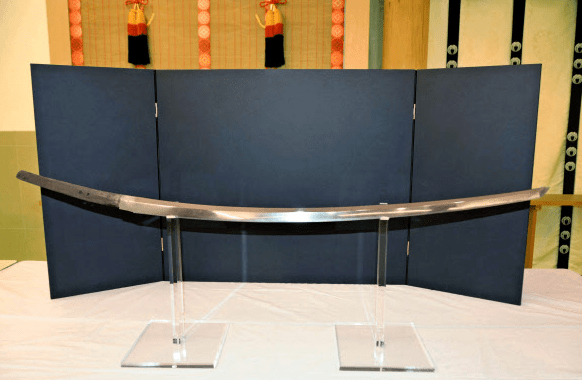
Several Japanese news outlets reported today that one of the swords that were discovered during 1939 repair measures of the Kasuga-taisha turned out to be a Ko-Hōki (古伯耆) from the end of the Heian period, possibly a Yasutsuna (安綱), dating back to the birthplace of the nihontō. The blade was polished recently, is ubu I think, and has a nagasa of 82.4 cm. Its kokushitsu-tachi koshirae (黒漆太刀拵) dates to the 14th century and it is assumed that the sword was offered to the shrine some time in the Nanbokuchō or at the latest at the beginning of the Muromachi period. Below are some links with pictures and please also check out the video that the Nara Television Channel put on YouTube.

https://mainichi.jp/articles/20180123/k00/00m/040/109000c

https://www.nikkei.com/article/DGXMZO25985170S8A120C1CR8000/

http://www.mbs.jp/news/kansai/20180122/00000058.shtml


The “new” oldest extant sword document

On December 18, the Saga Prefectural Government issued a press release on what appears to be a pretty important, or at least highly interesting find for the sword world. That find was made by Yoshihara Hiromichi (吉原弘道), associate professor at the basic education center of Kyûshû Sangyô University. He discovered in the Prefectural Library, which preserves, amongst others, about 130,000 locally transmitted historic documents, a so-called Mei Zukushi (銘尽), the forerunner of the later Meikan (銘鑑), i.e. lists of smiths that contain, depending on the source, more or less information like where and when a smith worked etc.

Now the very Mei Zukushi was found within the archives of the Ryûzôji (龍造寺) family, a powerful clan from Kyûshû. This archive consists of 277 documents and the Mei Zukushi is written on the back of two so-called Môshijô Dodai (申状土代), drafts for official petitions. Paper was relatively valuable at that time, what is also one reason for the text being so cramped together, and it is not uncommon that documents that are of no more use were reused by writing on their back side. The press release states that although the 277 documents of the Ryûzôji archives are designated as a jûyô-bunkazai as a whole, not all back sides have been checked in detail so far.

The Mei Zukushi is dated Kan’ô two (観応, 1351) and as it is part of the Ryûzôji archives as mentioned, it got the working title Ryûzôji Bon Mei Zukushi (龍造寺本銘尽). The so far oldest extant sword publication or rather sword document was the Kanchi’in Bon Mei Zukushi (観智院本銘尽) which I have introduced in this article from 2014. The Kanchi’in Bon Mei Zukushi is believed to be a fair copy of a sword data from 1316 but as the copy itself is from 1423, the Ryûzôji Bon Mei Zukushi beats it as “new” oldest extant sword document. At the moment, it is thought that either Ryûzôji Iemasa (龍造寺家政) or a person close to him had copied a precious sword document that was brought by Ashikaga Tadafuyu (足利直冬, 1327~1387/1400?) or one of his staff to a camp that Iemasa visited that year, Kan’ô two. I will omit historic details at this point but want to state that Tadafuyu was a son of the famous Ashikaga Takauji. So, both he and Iemasa were clearly in the league of high-ranking persons who needed a sword guideline, either for themselves or, more likely, to pick proper presents to reward allies and vassals.

Ashikaga Tadafuyu

The two sheets of the Ryûzôji Bon Mei Zukushi measure about 33 x 48~49 cm each and contain the names of about 280 swordsmiths, even of some which are not listed in the Kanchi’in Bon Mei Zukushi. They will be on display in the Saga Prefectural Museum until February 4, 2018. Also on display will be three swords: A tachi with the shu-mei “Kuniyuki” (国行) (Rai), a tachi with the shu-mei “Rai Kunimitsu” (来国光), both jûyô-bunkazai of Saga Prefecture, and a zaimei tantô by Awataguchi Yoshimitsu (粟田口吉光). Pictures of the sheets and a (Japanese) transcription are provided in the press release but I will provide direct links below:

The Ryûzôji Bon Mei Zukushi
Transcription

I will go into details on the content of the sheets at some later point in time as I first want to get access to the research report once finished. And yes, Masamune’s name appears in the document 😉

Book Review: The Yonezawa Matchlock

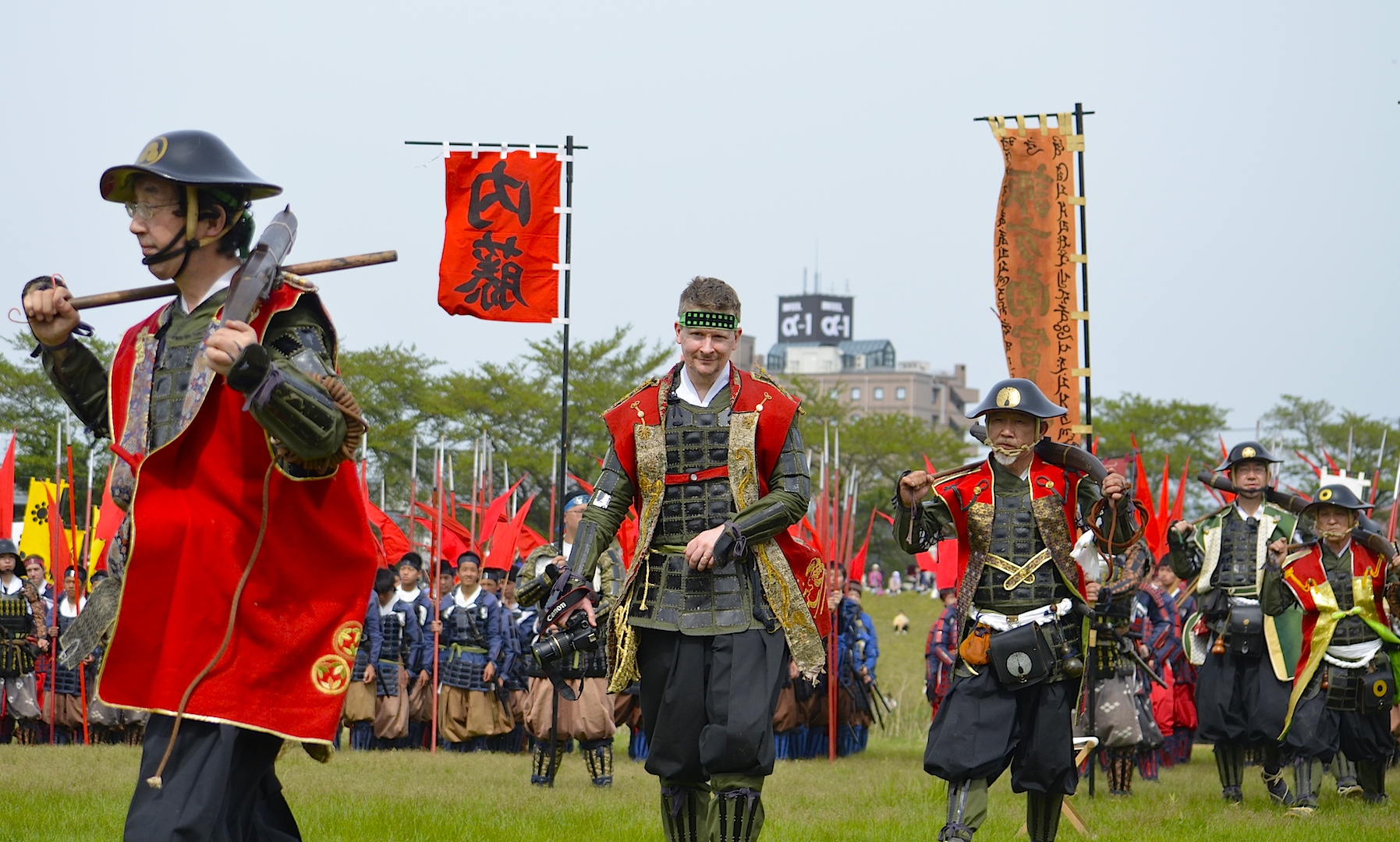
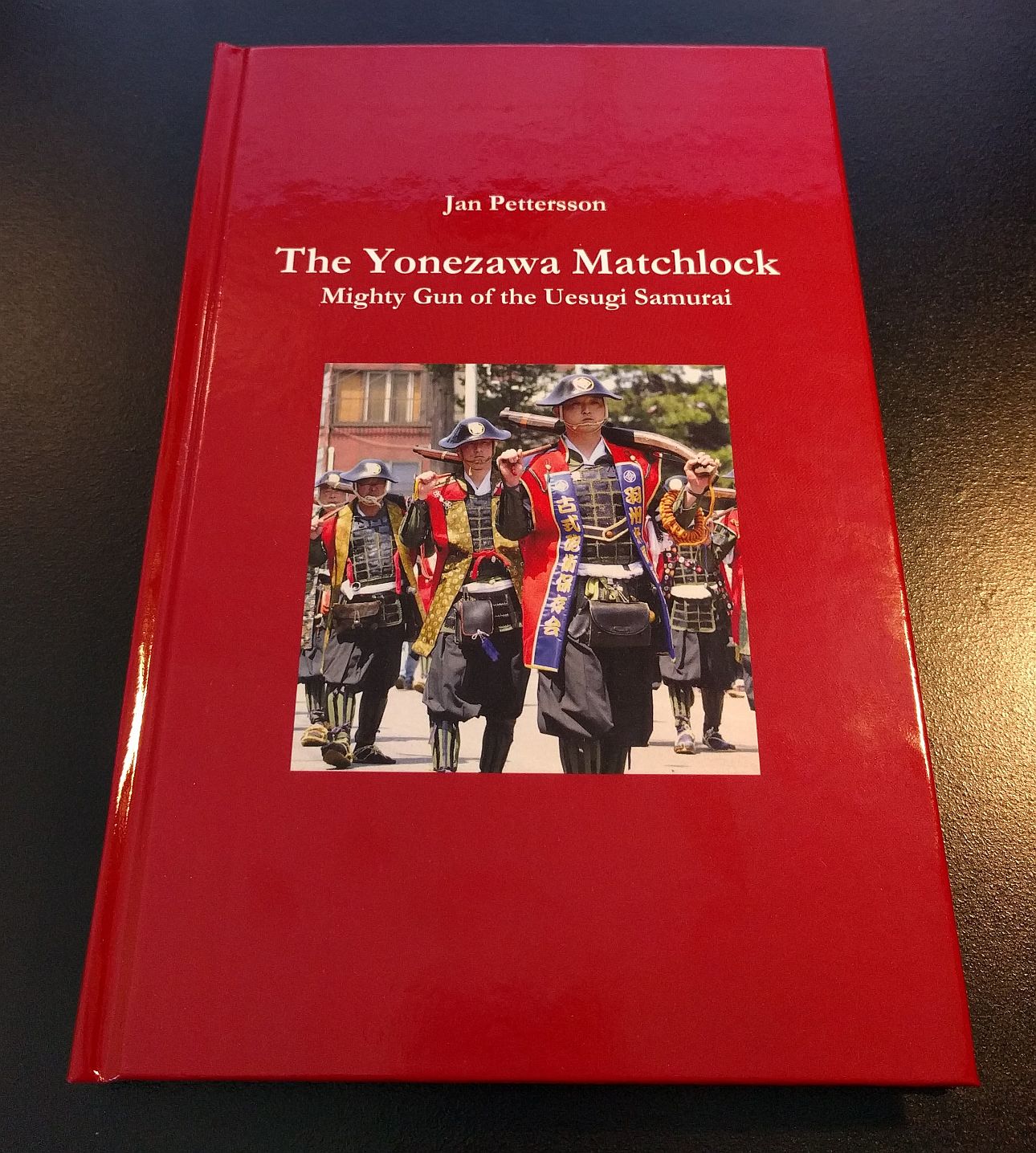
Over Thanksgiving weekend, I was able to finish a highly interesting lecture which I have received a couple of weeks ago but which I didn’t want to read in a rush. What I am talking about is my friend Jan Pettersson’s book The Yonezawa Matchlock – Mighty Gun of the Uesugi Samurai, which deals, nomen est omen, and in a nutshell, with how the Uesugi dealt over the centuries with equipping their men with firearms.

But that’s not it, that is, the book does not only focus on the mere “equipping process” but introduces in incredible detail the approach of Yonezawa, the domain of the Uesugi, to stay on focus, i.e. their teppô, throughout the entire feudal period. In about 250 pages, Jan is not only able to narrate but to take us on a vivid journey through that history, which is in my opinion one of the strong points of the book (you will surely come to recognize Jan’s effort to exactly do so in each chapter).

As addressed by Piers Dowding in the foreword to the book, Jan had the great opportinuty to do on the spot research in Yonezawa, interviewing and inquiring all the local authorities on the field. You can believe me, from my own experience, proceeding with such an undertaking takes a considerable amount of sincerity and will (and I guess some balls too, if you allow my language) to get that all together like Jan did, i.e. receiving this accolade so to speak to tell that history for non-Japanese readers. You also have to bear in mind, it’s not that there is a ton of books in Japanese on that topic, on the contrary, Jan’s book can even be considered a novelty in general, not just outside of Japan.

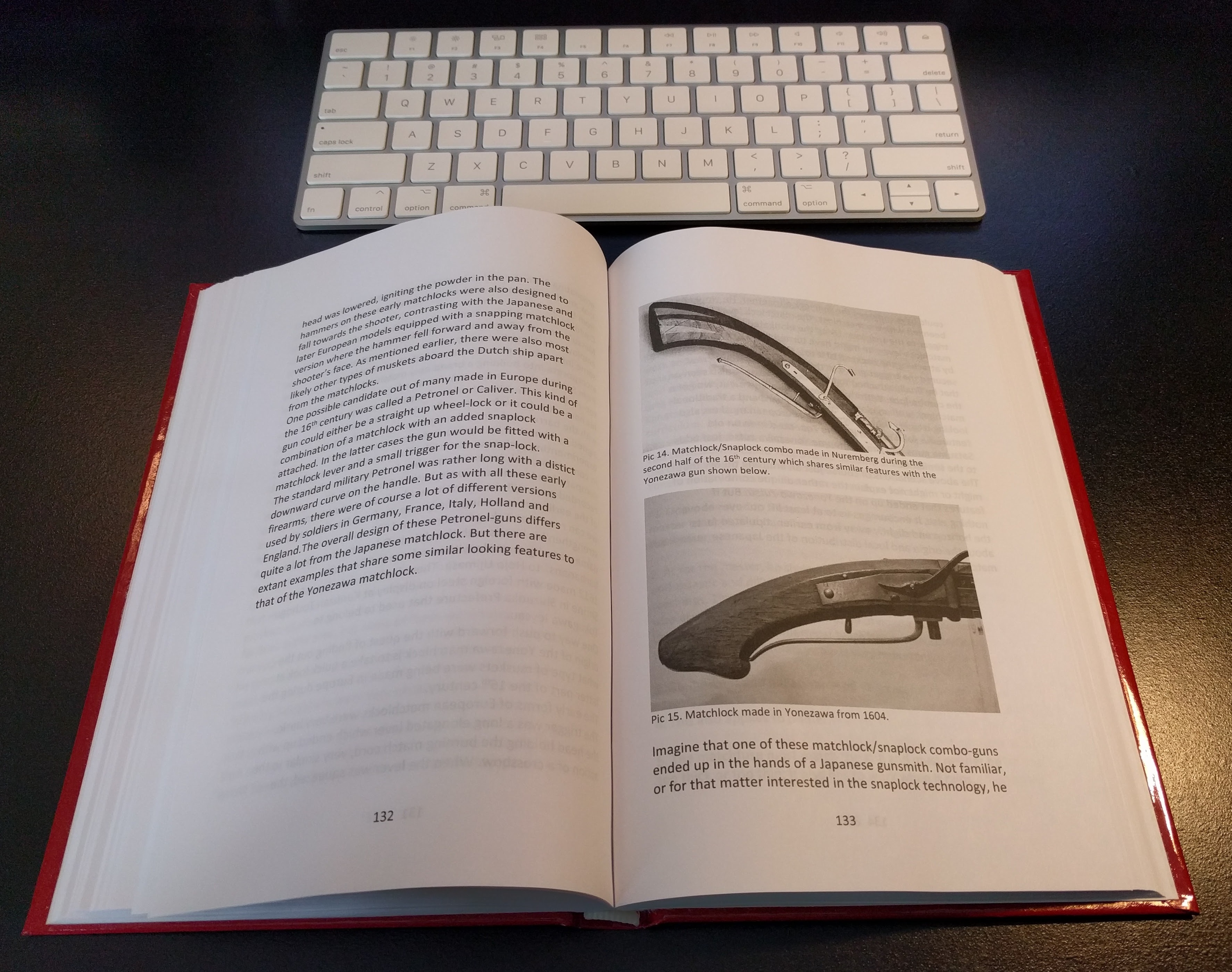
So in short, if you are only remotely interested in this topic, the book is a must, and it goes without saying that this is particularly true if you are interested in teppô. Also, if you have read Noel Perrin’s Give Up the Gun: Japan’s Reversion to the Sword, 1543-1879, and enjoyed it, Jan’s book makes a very nice (and not only a specific but also a general) supplement to that topic. As for the book itself, it is hardcover 6×9” and contains 26 b/w illustrations, so focus is obviously on text.

[Disclaimer: I translated a few texts for Jan that went into his book but I am not involved in any sales of the book nor did I receive any payment for this review whatsoever: This review is honestly done from the point of view of a person interested in this topic!] (Non-book pictures courtesy of the author Jan Pettersson.)


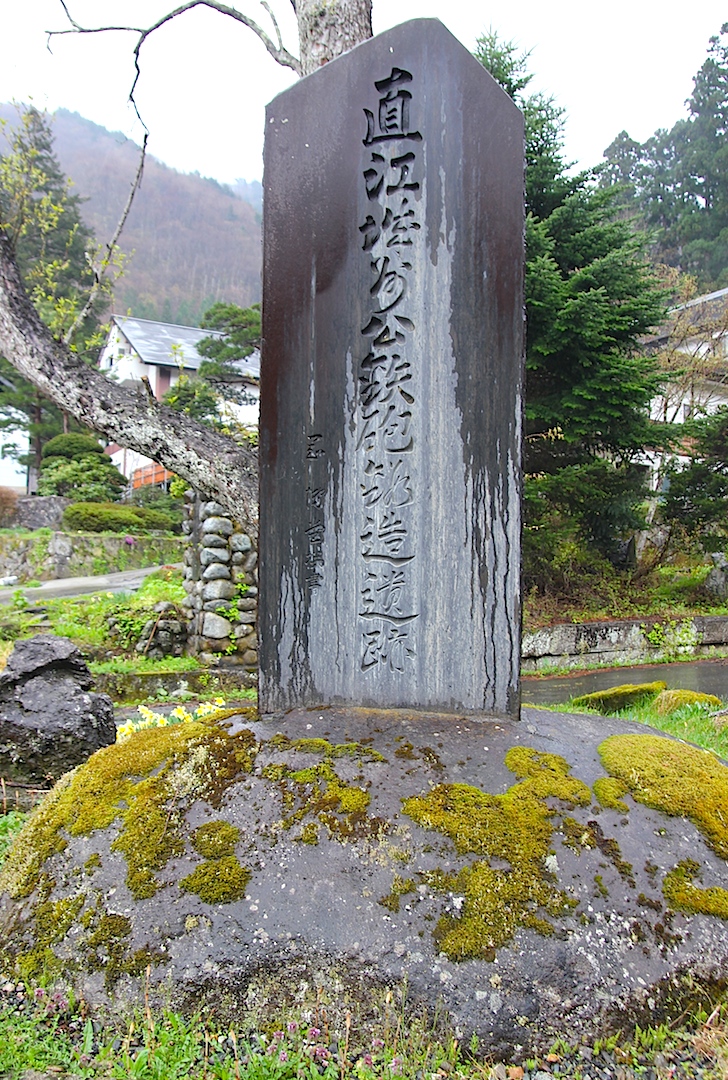
This monument is erected on the spot where the first local gun-forge was built in 1604.

eBook Super Sale 2017


ebooksale-dti1

As it is now kind of a tradition, I will start another -50% off eBook Super Sale before the DAI TOKEN ICHI that goes directly via me (i.e. I’m not going to manually change all the prices on Lulu.com and then change them back when the sale is over). I provide a list of all my eBooks below, showing the regular and the reduced prices. I also linked them so that you can check what the description says but again, DO NOT buy over there at Lulu.com this time. Get in touch with me via “markus.sesko@gmail.com” and pay me directly, either by PayPal using the very same email address or by check or credit card (using the donate button at the very bottom of this page) and I’m going to send you over the eBook. And anyway, if you gave a question, just drop me a mail.

So grab this chance to fill up your tablets/phones with all references you need, if you are attending to the DTI. Should be handy to look up artists or backgrounds on the spot. In this sense, the eBook Super Sale will be up until Black Friday, until Nov 24, and the next one will not come until next easter.

Thank you for your attention!

Akasaka Tanko Roku ….. $8.90 – $4.50
Encyclopedia of Japanese Swords ….. $24.90 – $12.50
Geneaogies and Schools of Japanese Swordsmiths ….. $19.90$10
Genealogies of Japanese Toso Kinko Artists ….. $19,90$10
Identifying Japanese Cursive Script ….. $14.90$7.50
Identifying Japanese Seal Script ….. $14.90$7.50
Japan’s Most Important Sword Fittings ….. $14.90$7.50
Jukken ….. $14.90$7.50
Kano Natsuo I ….. $59.90$30
Kano Natsuo II ….. $59.90$30
Kantei Reference Book – Hamon & Boshi ….. $19.90$10
Koshirae – Japanese Sword Mountings ….. $19.90$10
Koshirae Taikan ….. $59.90$30
Koto Kantei Zenshu ….. $89.90$45
Koto Meikan ….. $39.90$20
Legends and Stories Around the Japanese Sword ….. $9.90 – $5
Legends and Stories Around the Japanese Sword 2 ….. $9.90 – $5
Masamune ….. $29.90$15
Masters of Keicho Shinto ….. $19.90$10
Nihon-koto-shi ….. $29.90$15
Nihon-shinto-shi ….. $29.90$15
Nihon-shinshinto-shi ….. $29.90$15
Shinshinto Meikan ….. $29.90$15
Shinto Meikan ….. $29.90$15
Shinto Shinshinto Kantei Zenshu ….. $89.90$45
Signatures of Japanese Sword Fittings Artists ….. $89.90$45
Soken Kinko Zufu ….. $9.90 – $5
Swordsmiths of Japan ….. $89.90$45
Tameshigiri ….. $29.90$15
The Honami Family ….. $19.90$10
The Japanese Toso Kinko Schools ….. $24.90$12.50

German Titles:

Die Honami Familie ….. $19.90$10
Geschichten rund ums japanische Schwert ….. $9.90 – $5
Geschichten rund ums japanische Schwert 2 ….. $9.90 – $5
Koto Kantei Zenshu ….. $89.90$45
Nihon-shinto-shi ….. $29.90$15
Nihon-shinshinto-shi ….. $29.90$15
Shinto Shinshinto Kantei Zenshu ….. $89.90$45


Email troubles

Last night I painfully learned that due to my computer system change in early August, I overlooked several client emails. Tried to catch up last night but if you were trying to reach me during that time and haven’t heard back from me until now, please drop me another email. Specifically, this concerns emails send between August 1 and 15 that went unanswered. I sincerely apologize for the inconvenience!!


Report: Samurai Art Museum Berlin

A while ago, I promised you dear followers and readers a report on my job at the new Samurai Art Museum in Berlin. After returning from the official opening the other week, I thought this should be a good opportunity to give you a little insight into that venture. First of all, you have to understand that I am only a small cog in the wheel of the superb museum and several other experts (e.g. Dave Thatcher, Zenon van Damme, Thomas Schulze, Ian Bottomley) are involved to make this all happen and I will go ahead with a kind of chronology of events from my very personal perspective.

The initial contact was made by the Japanese sword and armor dealer Thomas Schneider and in April 2016, I got personally in touch with Mr. Peter Janssen, the collector and the owner of the museum, who subsequently commissioned me with a documentation/cataloging of all the objects in his collection. The museum was still in its building phase at that time so the first possible date for me to actually visit the facility was in February 2017. Mr. Janssen had sent me pictures of some of the highlights of his collection in advance but boy was I impressed when I entered the gates of the museum for the very first time: What an impressive place and what a consistently high quality on display! Most of the armor-related objects, i.e. full suits, helmets and face masks, had already been put up in the showcases, that is, the objects had already been moved from Mr. Janssen’s private estate to the museum before I showed up in February. Now I was there for a week so I immediately started to take pictures and notes of all the objects in the showcases and the storage rooms. This task occupied two and a half days and fortunately, my friend Uwe joined me later that week with whom I was going once more through the cabinets to check which items (mostly helmets and masks) are signed.

The remaining two and a half days were then spent on documenting the swords, over 170 in number, most of them in koshirae. The sword part was tough too as (of course) every single sword had to be fetched from the storage shelves, photographed as a whole, photographed drawn and with the hilt off, and photographed in detail, e.g. blade details, signature, tang, hilt, tsuba, saya, etc. All in all, I was taking more than 4,000 pictures that week, not even touching the tôsôgu collection as there was just not enough time at my initial stay back in February. The job was aggravated by a nasty cold that I suffered from and I surely drove the whole team crazy with my coughing fits 😉

Back home I started to work at the documentation/cataloging and I honestly have to admit, I underestimated the job, for example when it comes to determine certain materials like gold/brass or iron/shakudô. Also, I took pictures of the armors already put up in the showcases as mentioned, so sometimes it was difficult back home in my office to judge subtleties about e.g. cuirass constructions. Anyway, aim was first and foremost to record the entire collection as details are being worked out as we speak. I did assessments/documentation/cataloging of collections before but not to that extent (at the time this post is written, we are talking about 700 objects!). So, lesson learned.

That said, I have to refer to Mr. Janssen, Peter, once more. He made sure that all parties involved were lacking nothing when working down in the museum (it is subterranean). Staying at the very facility, we had breakfast, lunch, dinner, and coffee breaks (with delicious cake) throughout the day (as well as movie nights in the in-house movie theater). And fun of course as – and I take the liberty to speak for all of us – we had an excellent time.

Peter and Ian putting the important Katô armor back in the showcase that Dave relaced.

This brings us right to what is going on from here. So, the museum just officially opened on October 5, 2017 and if you want to get some impressions from the opening, please check the Facebook page of the museum here. Before anything else, Mr. Janssen hired Ms. Martyna Lesniewska as a curator who is now working (amongst other things and partly on the basis of my cataloging) on making the museum and its exhibits accessible to the viewer and to convert my humble writings into a curatorial system. It is amazing to see how thoroughly Martyna has thrown herself into the field of Japanese arms and armor and I am sure she will do an excellent job at the museum! Also catalogs are in work although the content and extent has yet to be determined. I will keep you updated. Apart from that, and this is a very important point, Mr. Janssen is eager to make the museum an event venue and hub for international research and activities in this field, beginning with The Gathering 2 in May 2018, although I think that there is a NBTHK-EB meeting taking place before that time. The museum is in my opinion predestined for these events/meeting, for the following reasons: 1) It is a privately run facility, so no government clearances/bureaucracy necessary. 2) It is solely dedicated to the field, i.e. no “also ran” department cramped into for example a local museum. 3) The collection is enormous as mentioned. You can believe me, there is plenty to see and enough stuff available to fill many many focused study meetings in the future. 4) Berlin is kind of central for international visitors, e.g. from the UK, Scandinavia, France, Italy, and Eastern Europe and it goes without saying a location worth visiting by itself. So planning a family trip or elongated weekend around one of the future events kills two birds with one stone. 5) Last but not least, Mr. Janssen is a very generous gentleman and he will make sure that events/lectures will be very worthy to attend.

So, check out the homepage of the museum linked at the beginning, get in touch with me if you have any questions that concern my job at the museum (otherwise I may ask you to contact Ms. Martyna Lesniewska through the museum website and consult the NMB and Facebook here and here for upcoming events). I hope that some of you can visit the place in the future, and hey, take it easy: The museum literally just opened 😉 Final words: I am glad that I was able to see so many of my friends again at the opening!

PS: The pictures are a mix of mine and what I have received from friends. To be honest, I forgot who took which picture so please let me know if one of them is yours and you don’t want to have it online. Thx.

The blade with which Sen no Rikyū committed seppuku

I have introduced a couple of swords here and here within the context of being around “on the eve” of a famous historical incident and the piece that I am going to introduce here joins these ranks, although it was literally directly involved in such a famous historical incident.

To let the cat out of the bag, and as the title already gives it away, the blade that I want to introduce here is the blade with which the famous tea master Sen no Rikyū (千利休, 1522-1591) committed on the 28th day of the second month Tenshō 19 (天正, 1591) seppuku. The circumstances for his ritual suicide are widely documented and so I rather want to focus on the sword in question whose blade is a work by no less than one of the greatest swordsmiths in Japanese history, Awataguchi Tōshirō Yoshimitsu (粟田口藤四郎吉光). Kind of fitting to commit seppuku with when you are the greatest tea master in Japanese history. The sword, obviously a tantō, is nicknamed Kobuya-Tōshirō (こぶや藤四郎・こぶ屋藤四郎) and there are several contradictory traditions out there about its background and provenance.


Picture 1: jūyō-bijutsuhintantōmei: “Yoshimitsu” (吉光), nagasa 25.0 cm, sunnobi-sugata, dense ko-itame with ji-niesuguha in ko-nie-deki which narrows down along the monouchi. Honma Junji writes that the jiba of the blade shows some tiredness (tsukare) but that it is nevertheless a very important reference because of its provenance and deserves thus special recognition amongst the numerous works extant by Yoshimitsu.


Now the contradictory things concerning this sword are first the origins of its nickname and second, who made or was in charge of making its koshirae. As for the former, Kobuya was a merchant family from Kanazawa in Kaga province, most likely dealing with the edible konbu algae which is also referred to as kobu in Japan (and as kombu in the West). So, the blade was designated as a jūyō-bijutsuhin on September 5, 1938 and was then owned by Yoshida Yoshimichi (吉田由道) who became later, in 1949, the initiator and first president of the Kyōto branch of the NBTHK. The brief explanation to the jūyō-bijutsuhin designation says that the blade was owned by Sen no Rikyū, that Rikyū commissioned Hon’ami Kōsa (本阿弥光瑳, 1573-1637) with making its koshirae, and that it was later handed down within the Kobuya family from Kanazawa in Kaga province which earned it its nickname. The explanation to the designation also says that the sword is accompanied by three letters from Hon’ami Kōho (本阿弥光甫, 1601-1682) to Sen no Sōshitsu (千宗室, 1622-1697), Rikyū’s great-grandson. Just to connect the dots here, Kōsa was the third and Kōho the fourth generation of the Kōji line of the Hon’ami family which was, due to its second head and Kōsa’s adoptive father Kōetsu (本阿弥光悦, 1558-1637), very much involved in the art world of that time. Also, the Kōji-Hon’ami enjoyed a lucrative hereditary employment by the wealthy Kaga fief which provides us with a local connection to the Kobuya family.

So far, so good. The catalog to the 1990 special exhibition Sen no Rikyū – The 400th Memorial of the Kyōto National Museum however records the provenance of the sword somewhat differently. Therein it is stated that the Yoshimitsu blade was first owned by the Kobuya family, that it was acquired by Rikyū, and that Rikyū commissioned Hon’ami Kōtoku (本阿弥光徳, 1552-1619) with making a koshirae for it. Kōtoku was the ninth head of the Hon’ami main line and in course of having the koshirae made, he contributed, as a gift to Rikyū, the shakudō menuki which depict plum blossoms on a branch.

Now as for who is “right,” it is difficult to say. On the one hand, you have the explanatory comments to the jūyō-bijutsuhin designation, and on the other hand you have the exhibition catalog published by the Kyōto National Museum (which owns the sword today by the way). As we know, sword studies have greatly advanced since the time of the jūyō-bijutsuhin designation in 1938 and therefore I tend to follow the Kyōto National Museum for the time being. However, there is a big question mark here and that is the three letters by Kōho to Rikyū’s great-grandson Sen no Sōshitsu which were in the jūyō-bijutsuhin designation “bundle” and which might reveal more about the provenance. Well, I would like to know inhowfar these letters were incorporated into the recording of the provenance, i.e. if they actually contain anything about the provenance (probably I guess) and if they were actually checked by the jūyō-bijutsuhin designation committee and/or the team that made the Kyōto National Museum catalog. So, one scenario would be that the teams drew different conclusions from the content of the letter and another one would be that the letters were put unread into the jūyō-bijutsuhin designation “bundle”, that just an old tradition about the provenance was followed then, and that the letters were later read and studied by the Kyōto National Museum and that is why they came to realize that the sword has a different provenance. Incidentally, I do have pictures of the letters (from the jūyō-bijutsuhin designation) but they are too small to read anything (see picture 2).


Picture 2: The letters of Kōho to Sen no Sōshitsu.


Anyway, I want to conclude this article by paying some attention to the koshirae of the sword. As you can see in picture 1, the saya is a simple black-lacquer saya and all the fittings, i.e. koiguchikurigatafuchi and kashira are of black-lacquered horn. The hilt is wrapped in rattan and all in all, we have here a very tasteful and unobtrusive mounting which totally reflects the then tea taste. By the way, the koshirae is nicknamed Rikyū-koshirae (利休拵) accordingly and it is virtually identical to the so-called Waifu’ya-koshirae (隈府屋) (see picture 3) which is said to have been worn by Hosokawa Sansai Tadaoki (細川三斎忠興, 1563-1646) when he was pursuing falconry. Only difference here is that the Waifu’ya-koshirae features menuki in the form of the kuyō crest (九曜) of the Hosokawa and a kozuka made of black-grained komadake (胡麻竹) bamboo. It is no surprise that Tadaoki had himself a tantō mount the same way Rikyū had his Yoshimitsu mounted as Tadaoki was one of the so-called Rikyū-shichitetsu (利休七哲), the “Seven Master Tea Disciples of Rikyū.”


Picture 3: Copy of the Waifu’ya-koshirae.


Just a final note in this context, it is unknown which blade is/was mounted in the Waifu’ya-koshirae as the whereabouts of the sword are unknown since at least the 1920s. All we have today are several copies (one of them shown in picture 3) and period descriptions (for example in the Higo Tōsō Roku [肥後刀装録] published in 1934).